Best Time to Visit Maasai Mara: Every Month Compared

Last updated: November 2026.
The best time to visit Maasai Mara is July to October for the Great Migration and Mara River crossings. It is January to March for big cats and quieter roads. It is April, May and November for lower rates and green landscapes.
The Maasai Mara (also spelled Masai Mara) has wildlife in every month. What changes is the weather, the crowds, the price and your odds of seeing the migration.
This page compares all 12 months so you can choose dates that fit your goals and budget. Silent Plains Africa Safaris is a Nairobi-based Kenya and Tanzania safari operator. We plan private, tailor-made Maasai Mara trips around the month you pick. Send us your dates and we will tell you what that month offers.
Maasai Mara Seasons at a Glance
| Season | Months | Weather | Migration | Crowds | Reserve fee (non-resident adult) |
|---|---|---|---|---|---|
| Dry season and migration | July to October | Dry, cool nights | Herds usually in the Mara. Crossings most likely in August and September | High | US$200 per day |
| Short dry season | January to February | Mostly dry and warm | Resident wildlife. Most herds are in the Serengeti | Low to moderate | US$100 per day |
| Long rains | March to May | Wettest, especially April | Resident wildlife | Lowest | US$100 per day |
| Transition | June | Drier and cooler | Early movement possible, not certain | Moderate and rising | US$100 per day |
| Short rains | November to December | Variable showers | Herds moving south. Resident wildlife | Low, then high at Christmas and New Year | US$200 per day |
Best Time to Visit Maasai Mara by Goal
| Your goal | Best months | Why |
|---|---|---|
| Great Migration herds | July to October | Herds usually reach the Mara in July and stay into October |
| Mara River crossings | Late July to September | August and September are the most reliable. No date is guaranteed |
| Big cats and resident wildlife | January to March, October to early November | Open plains and fewer vehicles |
| Fewer crowds | June, late September to October, January to March | Lighter vehicle numbers than July and August |
| Lowest costs | April, May, November to mid-December | Lower camp rates. Reserve fee is lower January to June |
| Photography | July to October or April to May | Dry months give clarity. Green months give colour and storm skies |
| Birdwatching | November to April | Green season and migratory species |
| First safari | Late August to September | Herds, dry weather and productive drives |
No single month wins every category. Pick the goal that matters most, then match it to the month.
Maasai Mara Safari Seasons Explained
The Mara sits at around 1,500 metres. Days are warm and nights are cool, even close to the equator. The long rains run roughly March to May. The short rains run roughly November to December. April is typically the wettest month and July the driest.
Rainfall has become less predictable. Treat every date on this page as a typical pattern, not a fixed schedule.
July to October: Dry Season and Great Migration
Wildebeest and zebra move north from Tanzania’s Serengeti into the Maasai Mara. In dry years the first herds can reach the Mara River in early July. In wetter years they arrive closer to mid-August.
Three things get confused:
- Herds arriving in the Mara.
- Herds crossing the Mara River.
- The wider migration period.
You can see huge herds without seeing a crossing.
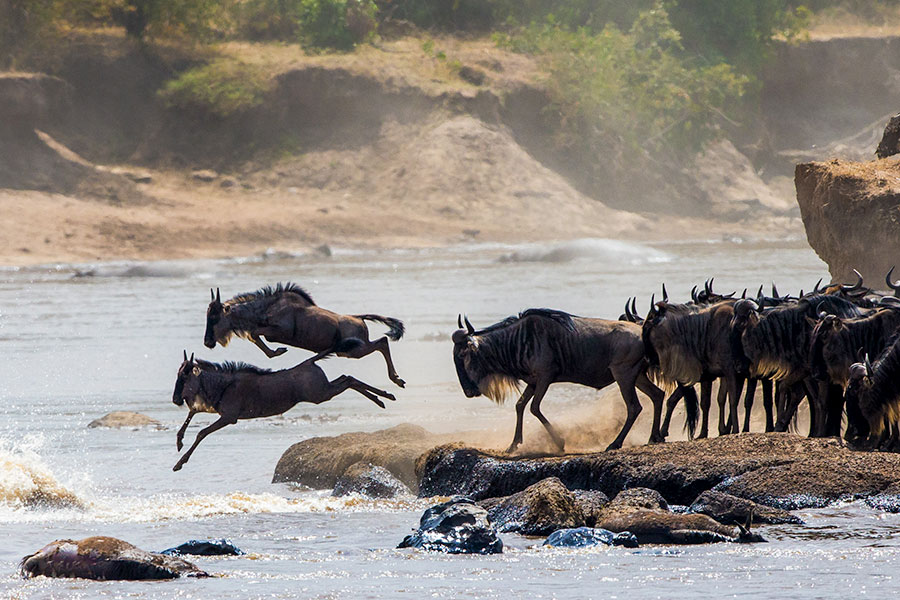
Crossings are unpredictable. Herds often gather at the bank for hours or days. Some cross at once. Some turn back. Rain, river levels and grazing all play a part. In dry years fewer animals cross into Kenya.
The rest of the dry season still delivers. Grass is shorter. Predators follow the herds. Game drives are productive.
Demand is high. Camps near the river fill early. The reserve fee for non-resident adults rises from US$100 to US$200 per day on 1 July. Camp location matters, and so does the number of nights.
January to March: Short Dry Season and Resident Wildlife
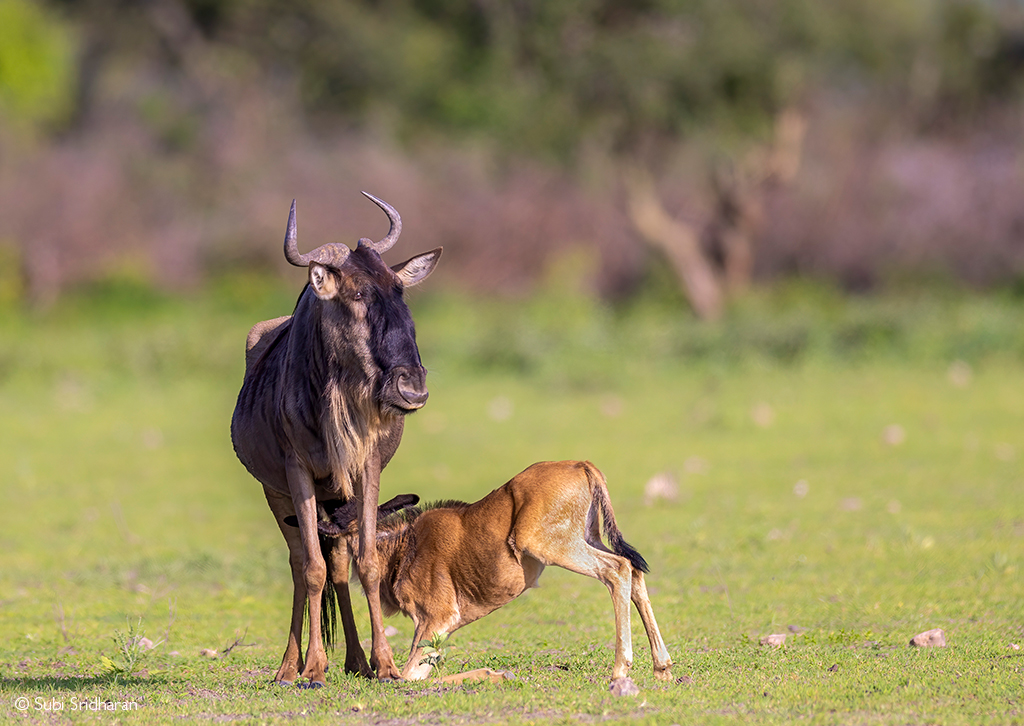
This is the strongest alternative for travellers who are not chasing the migration. Lions, leopards, cheetahs, elephants, buffalo and giraffes live in the Mara all year. Open plains make sightings easy. Light is good for photography. Visitor numbers are generally lower than in July to October.
One point needs care. This is not the main Great Migration calving season in the Mara. The big calving period happens in Tanzania’s southern Serengeti, usually January to March. Most large herds are in Tanzania then. Resident plains game and predators carry the Mara.
April to May: Long Rains and Green Season
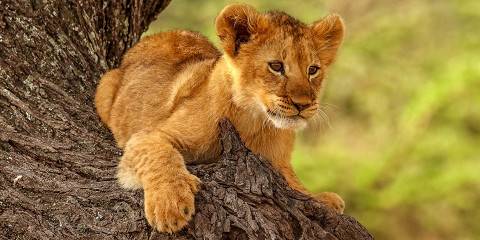
Landscapes turn green. Skies are dramatic. Birdwatching and photography can be rewarding. Visitor numbers are at their lowest, and some camps cut rates.
The trade-offs are real. Rain can be heavy, and tracks get muddy. Some camps close, and access may change. Confirm that your camp is open and how you will reach it before booking.
This is not an unusable period. Many travellers have good safaris in these months. They go with realistic expectations and flexible plans.
June: Transition into the Dry Season
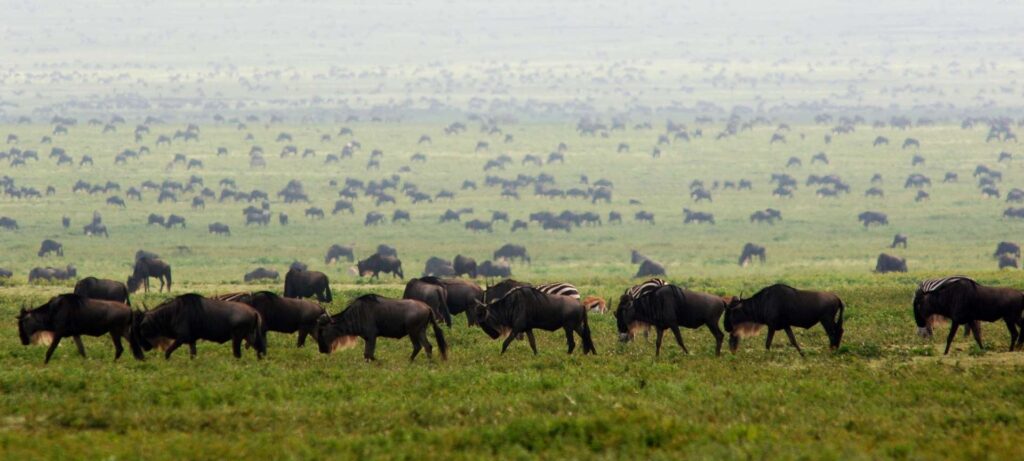
Rain eases. Grass begins to dry. Game drives improve week by week. Early migration movement can appear in the wider Mara and Serengeti ecosystem, but herds in the Mara are not certain.
June often has fewer vehicles than July and August. It is also the last month of the lower park fee. It suits travellers with flexible dates who accept migration uncertainty.
November to December: Short Rains and Green Landscapes
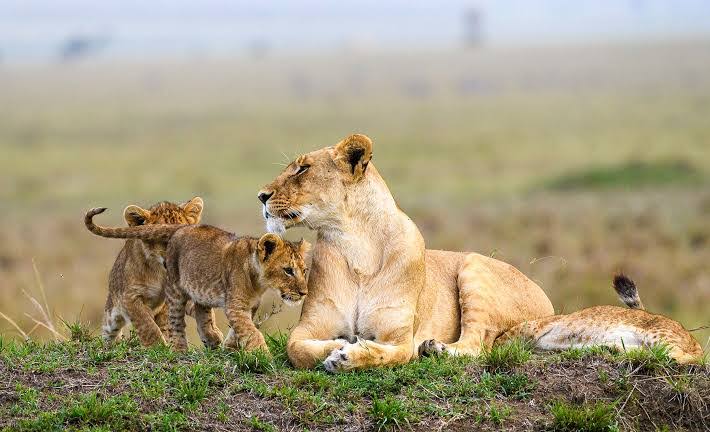
Showers return and vegetation refreshes. Resident wildlife viewing stays good. Migratory birds add interest. Herds typically move back toward Tanzania from late October into November, so the Mara gets quieter for migration.
Best Time to Visit Maasai Mara Month by Month
These are typical seasonal patterns, not guarantees.
| Month | Weather and Conditions | Wildlife and Migration | Visitor Levels | Best For |
|---|---|---|---|---|
| January | Warm days, cooler mornings. Occasional showers as the short rains fade. | Resident wildlife and predators. Most migration herds are in the southern Serengeti for calving. | Moderate. Busy around New Year, then quieter. | Big cats, photography, first lower-fee month. |
| February | Mostly dry and warm. Tracks are usually in good shape. | Strong predator sightings on open plains. Calving continues in Tanzania. | Low to moderate. | Couples, photographers, value-minded travellers. |
| March | Rains build toward the end of the month. Showers become frequent. | Resident wildlife and young animals. Landscapes begin to green. | Low. | Value, green scenery, quiet drives. |
| April | Typically the wettest month. Heavy showers, muddy tracks, low cloud. | Wildlife is present but harder to reach. Some camps close. | Lowest of the year. | Bargains, birders, flexible travellers. |
| May | Rain continues, then eases. Everything is green. | Good resident wildlife. Dramatic skies for photography. | Low, rising late in the month. | Value, photographers who like moody light. |
| June | Drier and cooler. Grass starts to dry. | Early migration movement in the wider ecosystem. Herds in the Mara are possible but not certain. | Moderate and rising. | Early migration chances, fewer vehicles, last month of the lower fee. |
| July | Typically the driest month. Cool nights, clear days. | Herds usually begin arriving. First crossings are possible. | High. | Migration build-up, clear skies, dry-season game viewing. |
| August | Dry. Cool mornings. | Large herds in the Mara. River crossings are frequent in many seasons. | Peak. Many vehicles at popular crossing points. | Migration and crossing enthusiasts who book early. |
| September | Dry and warm. Dust is possible. | Herds spread across the plains. Crossings still occur. Strong predator action. | High, but often lighter than August as school holidays end. | Crossings with fewer vehicles, first-timers. |
| October | Dry, turning showery late in the month. | Herds may still be present, then start moving south. Elephants and predators are active. | Moderate. | Migration without peak crowds, photography. |
| November | Short rains. Green returns. Roads can get slick. | Most herds have moved south. Resident wildlife and birdlife are the focus. | Low. | Value, birdwatching, quiet game drives. |
| December | Variable showers. Lush landscapes. | Resident wildlife, young animals, good birding. | Low early, high from the holiday period. | Festive family trips and resident wildlife. Book early for Christmas and New Year. |
Best Time to See the Great Wildebeest Migration in Maasai Mara
The Great Migration is a year-round cycle. Roughly 1.5 million wildebeest, along with zebra and gazelle, move between Tanzania’s Serengeti and Kenya’s Maasai Mara. They follow rain and fresh grazing. They do not follow a calendar.
The usual Mara viewing window is July to October. Calving happens in the southern Serengeti from about January to March. By June, herds push north and west. They gather along the Mara River in July. Many head back south from October into November.
August, September and parts of October attract the strongest interest. Operators commonly describe August and September as the most reliable months for crossings. Even then, no one can promise a date.
Seeing herds is not the same as seeing a crossing. Herds can graze in the Mara for weeks. A crossing happens when animals decide to enter the water. Sometimes it takes minutes. Sometimes the herd waits for days and turns away.
That is why we recommend planning around a window, not a day. Allow several days. A longer stay raises your chances of seeing crossing activity. It never guarantees it.
Where you stay matters:
- Maasai Mara National Reserve: managed by Narok County. It offers the classic river areas and gets the most vehicles.
- Mara Triangle: in the west, managed by the Mara Conservancy. Many travellers choose it for crossing viewing and a more regulated feel.
- Private conservancies: areas such as Mara North, Naboisho and Olare Motorogi border the reserve. They cap vehicle numbers and typically allow off-road driving, night drives and walks. You are further from the river, but drives are quieter.
Safari drivers report dozens of vehicles at popular crossing points in peak weeks. Your camp choice affects how crowded your experience feels.
Planning around the migration? Silent Plains Africa Safaris builds flexible Great Migration safaris around your travel window and the camp location that suits your style. Tell us your dates and group size, and we will recommend how many nights to allow.
Best Time to Visit Maasai Mara for Different Types of Travellers
For First-Time Safari Travellers
Late August to September gives a good balance. Herds are in the Mara, weather is dry and game drives are productive. October is a calmer option. If you want fewer vehicles, consider June or January to February.
For Great Migration Enthusiasts
Plan July to October. Aim for late July to September if crossings matter most. Stay at least four nights. Stay flexible on days.
For Big Five and Big Cat Viewing
Predators live in the Mara all year. Some safari drivers prefer the months after the herds leave for big cats and elephants, because there are fewer vehicles. January to March and October to early November are strong choices. Rhino sightings are less common. Do not expect them on every drive.
For Wildlife Photography
Dry months give clear visibility and dramatic predator-prey action. Green months give colour, storm skies and softer light. Choose based on the images you want.
For Families with Children
Pick dry months for easier driving. Short transfers help. Consider a conservancy camp with family-friendly activities. August is busy with school holidays, so book early. Children aged 9 to 17 pay a reduced reserve fee under the published schedule. Confirm the age bands before travel.
For Honeymoon and Luxury Safaris
Shoulder months bring privacy and flexibility. January to March and October to early November are strong. Peak migration months have the highest rates and demand. Conservancy camps offer more seclusion at any time of year.
For Budget-Conscious Travellers
Quieter months can cut costs. Compare the whole package, not just the headline rate. Check road conditions, camp operations and park fees. A low rate that comes with cancelled game drives is not good value.
For Birdwatchers
The wetter months, especially November to April, are popular for birding. Migratory species from Europe and Asia are present in the green season. If birding is your main goal, research the species you want and plan with a specialist.
Cheapest Time to Visit Maasai Mara
Prices follow demand. Peak migration months carry the highest rates. Shoulder and green seasons offer the best savings.
Published reserve fees for non-resident adults are US$100 per day from January to June and US$200 per day from July to December.
Conservancy fees are separate from reserve fees. Published figures vary by conservancy, roughly US$100 to US$150 per person per night. They are usually folded into camp rates.
Other cost factors to compare:
- Lodge versus tented camp pricing.
- Private vehicle and transport costs.
- Flights versus road transfers.
- Camp closures and reduced services in the long rains.
April, May and November to mid-December are typically the lowest rate periods. The cheapest month is not automatically the best value. If it rains hard, you could lose game-drive time.
Want a price for your dates? Send Silent Plains Africa Safaris your month, number of nights and preferred camp style. We will build a tailored quote and show you what changes if you move your dates by a few weeks.
Is Maasai Mara Worth Visiting Outside the Great Migration?
Yes. The Mara is a year-round wildlife destination.
Resident lions, leopards, cheetahs, elephants, buffalo, giraffes, zebras and other plains game live here in every month. Predator sightings do not depend on the migration. Many experienced safari travellers prefer the quieter months for that reason.
Landscape and light change with the seasons. Green months give you lush plains. Dry months give you clear views across them.
Fewer vehicles help. Sightings feel more private. Drives are more relaxed.
Pick your safari around what you want to see. If the migration is a must, go in July to October. If it is not, you can have a very good safari in other months. No sighting can be promised in any season.
How Many Days Should You Spend in Maasai Mara?
Road transfers from Nairobi typically take around five to six hours each way. Flights from Wilson Airport take about 45 minutes. Plan around that.
- 2 days / 1 night: possible, but very rushed by road. Best with a fly-in. You get one full game-drive day at most.
- 3 days / 2 nights: the usual minimum. By road you get roughly one full day and two partial days. A good fit for a first taste.
- 4 days / 3 nights: a better balance. More time for predators, photography and a slower pace.
- 5 days or longer: best for migration travellers, photographers and anyone who wants flexibility around weather and herd movements.
If you hope to see crossing activity, stay longer. More days mean more chances to be in the right place on the right morning.
What to Consider When Choosing Your Safari Dates
- Accommodation location and availability: camps near the river fill first. Book early for July to October and for Christmas and New Year.
- Reserve versus conservancy: the reserve is the classic experience. Conservancies offer lower vehicle density and extra activities. This choice shapes your trip more than the month does.
- Road transfer versus flying: road is cheaper and takes time. Flying saves a day and costs more.
- Safari vehicle type: ask about pop-up roofs, window seats and vehicle sharing. A private vehicle gives more control over timing.
- Number of nights: match nights to your goals. Add days for migration.
- Park and conservancy fees: check what your price includes. Confirm current rates for your dates.
- Weather and packing: bring layers. Mornings are cool. Pack a rain jacket in any season.
- Flexibility: wildlife does not follow a schedule. A flexible plan beats a rigid one.
- Combining destinations: many travellers pair the Mara with Amboseli, Lake Nakuru or Samburu in Kenya, or the Serengeti in Tanzania. A Kenya and Tanzania combined safari lets you follow the migration across both sides.
Common Mistakes When Choosing Maasai Mara Dates
- Treating July to October as one block. Early July, August, September and October feel different. Crowds and crossing odds change from month to month.
- Booking one night for the crossing. A single night leaves too little margin. Allow several days.
- Choosing the cheapest month without checking conditions. Low rates can come with muddy roads and closed camps.
- Ignoring camp location. A camp far from the river changes the experience as much as the month does.
- Forgetting the 1 July fee change. The reserve fee doubles for non-resident adults on that date.
- Assuming no migration means no safari. Resident wildlife makes the Mara worth visiting in every month.
Plan Your Maasai Mara Safari with Silent Plains Africa Safaris
Silent Plains Africa Safaris is a Nairobi-based Kenya and Tanzania safari operator and destination management company. We plan tailor-made safaris built to be personal, well planned and rooted in local knowledge.
For a Maasai Mara trip, we start with your month, then shape the rest around you. That includes:
- Reserve, Mara Triangle or conservancy camps, matched to your goals.
- Road transfer or flight from Nairobi.
- The right number of nights for your priorities.
- A Maasai Mara-only trip or a Kenya and Tanzania combination.
To get a tailored itinerary and quote, send us:
- Your preferred travel month, or a date range.
- How many days you have.
- Who is travelling, including children and their ages.
- What you want to see, such as migration, big cats, photography or birds.
- Your budget range and comfort level.
Frequently Asked Questions About the Best Time to Visit Maasai Mara
1. What is the best month to visit Maasai Mara?
It depends on your goals. August and September are best for the migration and river crossings. January and February suit big cats and quieter drives. October is a good balance of herds and fewer crowds.
2. What is the best time to see the Great Migration in Maasai Mara?
Usually July to October. Herds typically arrive in July. Timing shifts with rain and grazing.
3. When do wildebeest cross the Mara River?
Crossings are most common from late July through September. A return movement is possible in October and early November. Dates cannot be predicted.
4. Is August a good time to visit Maasai Mara?
Yes. Herds are usually in the Mara and crossings are frequent. It is also the busiest and most expensive month. Choose your camp with crowds in mind.
5. Is September better than August for a Maasai Mara safari?
Often for crowds. September usually has fewer vehicles as school holidays end, and crossings still occur. August has the highest demand.
6. Is January a good time to visit Maasai Mara?
Yes. Resident wildlife and predators are easy to find. Most migration herds are in the southern Serengeti, so do not plan on migration viewing.
7. Can you visit Maasai Mara in April and May?
Yes. Expect rain, mud and quiet roads. Some camps close. You get green scenery, lower rates and few visitors. Check camp operations before booking.
8. What is the cheapest time to visit Maasai Mara?
Typically April, May and November to mid-December. The reserve fee is also lower from January to June. Compare total value, not just price.
9. Is Maasai Mara good for safari all year round?
Yes. Resident wildlife lives here in every month. The experience changes with the season.
10. Can you see the Big Five outside migration season?
The Mara has lions, leopards, elephants and buffalo year-round. Rhinos are present in small numbers and are harder to see. No sighting is guaranteed.
11. How many days are enough for a Maasai Mara safari?
Three nights is a good minimum. Four to five nights suits migration and photography.
12. Does it rain in Maasai Mara in November?
Often, yes. November is part of the short rains. Showers are common, but they vary by year. Many days still allow game drives.
13. Is the Great Migration guaranteed when visiting in August?
No. Herds usually are in the Mara in August, but timing depends on rain and grazing. Crossings cannot be guaranteed on any date.
14. When is Maasai Mara least crowded?
April, May and November are the quietest. Among drier months, June, October and January to March are calmer than July and August.
15. Is June a good time to visit Maasai Mara?
It can be. Conditions are drier, the lower park fee still applies, and vehicle numbers are lighter. Herds in the Mara are possible but not certain.
16. Is Maasai Mara worth visiting in the rainy season?
Yes, if you accept some weather risk. You get greener scenery, fewer vehicles and lower rates. Plan for muddy roads and ask about camp access.
17. How far ahead should I book a Maasai Mara safari?
As early as you can for July to October and for Christmas to New Year. Camps near the river and in the conservancies sell out first. Green-season dates are easier to arrange at shorter notice, but confirm which camps are open.
18. How much does a Maasai Mara safari cost?
It depends on season, camp type, number of nights, transport and fees. On the 2026 schedule, the reserve fee alone is US$100 per non-resident adult per day from January to June and US$200 from July to December. Conservancy fees are extra unless bundled into the camp rate. Send Silent Plains Africa Safaris your dates for a tailored quote.
Silent Plains Africa Safaris
Silent Plains Africa Safaris is a Nairobi-based safari tour company planning Kenya and Tanzania safaris around you. We run private and group trips to the Maasai Mara, Amboseli, Tsavo East and Tsavo West, the Serengeti and beyond, with beach extensions on the Kenyan coast if you want them. Every itinerary is tailored to your dates, budget and travel style, from budget camping to luxury lodges. We arrange your 4x4 safari vehicle, an experienced local driver-guide, park fees, accommodation and airport transfers. Couples, families and small groups are all welcome.
Plan Your Kenya and Tanzania Safari with us today. Get Free Quote