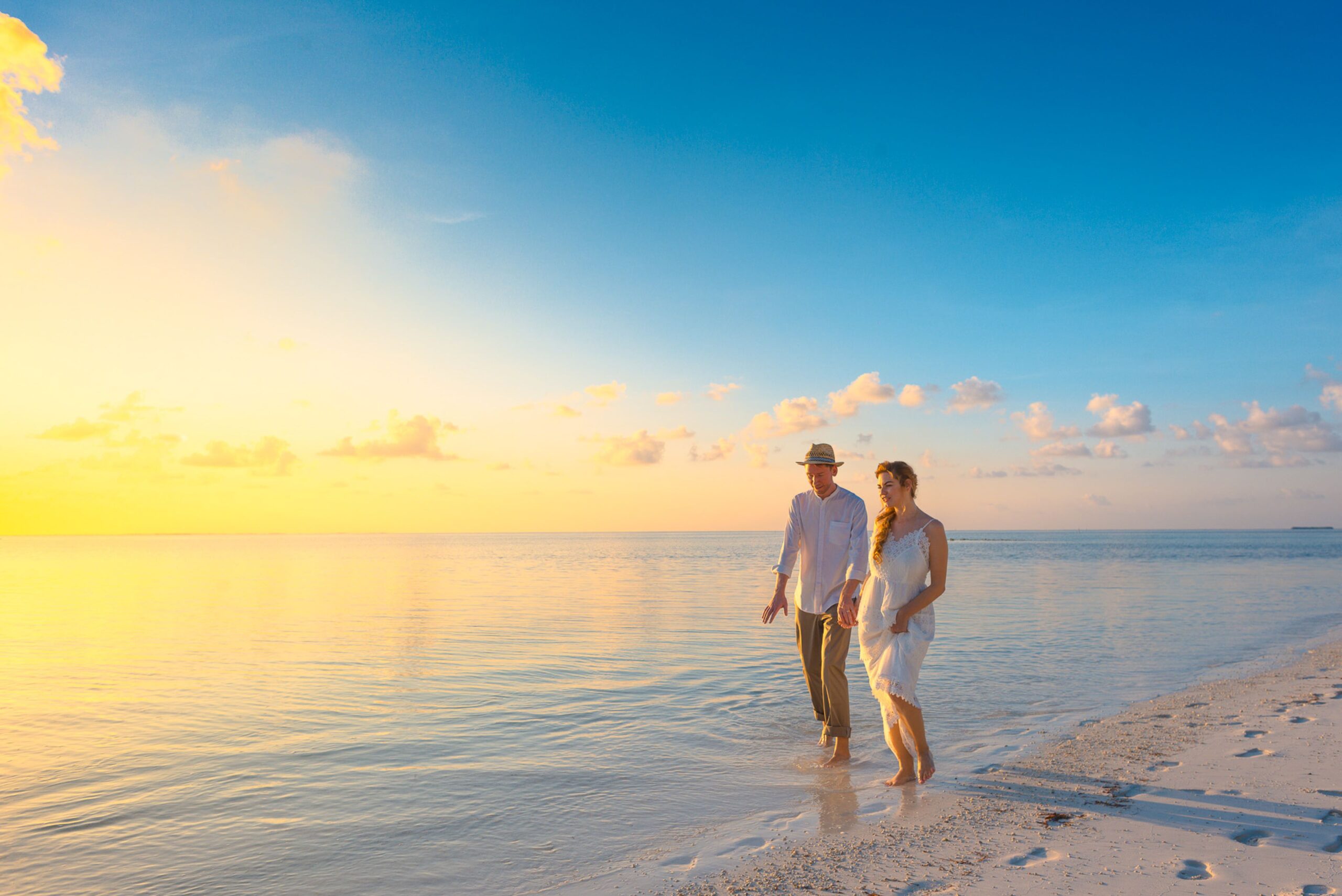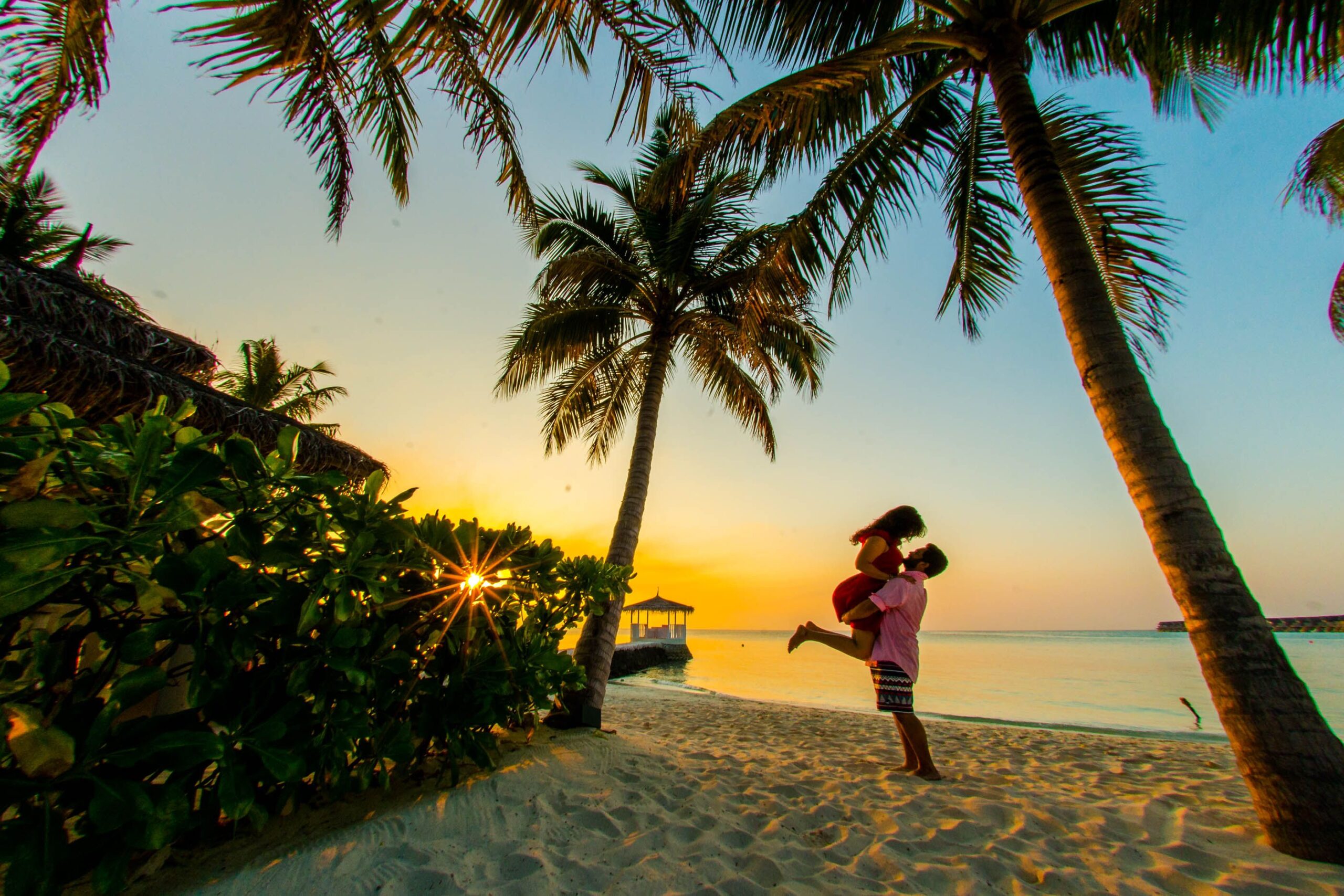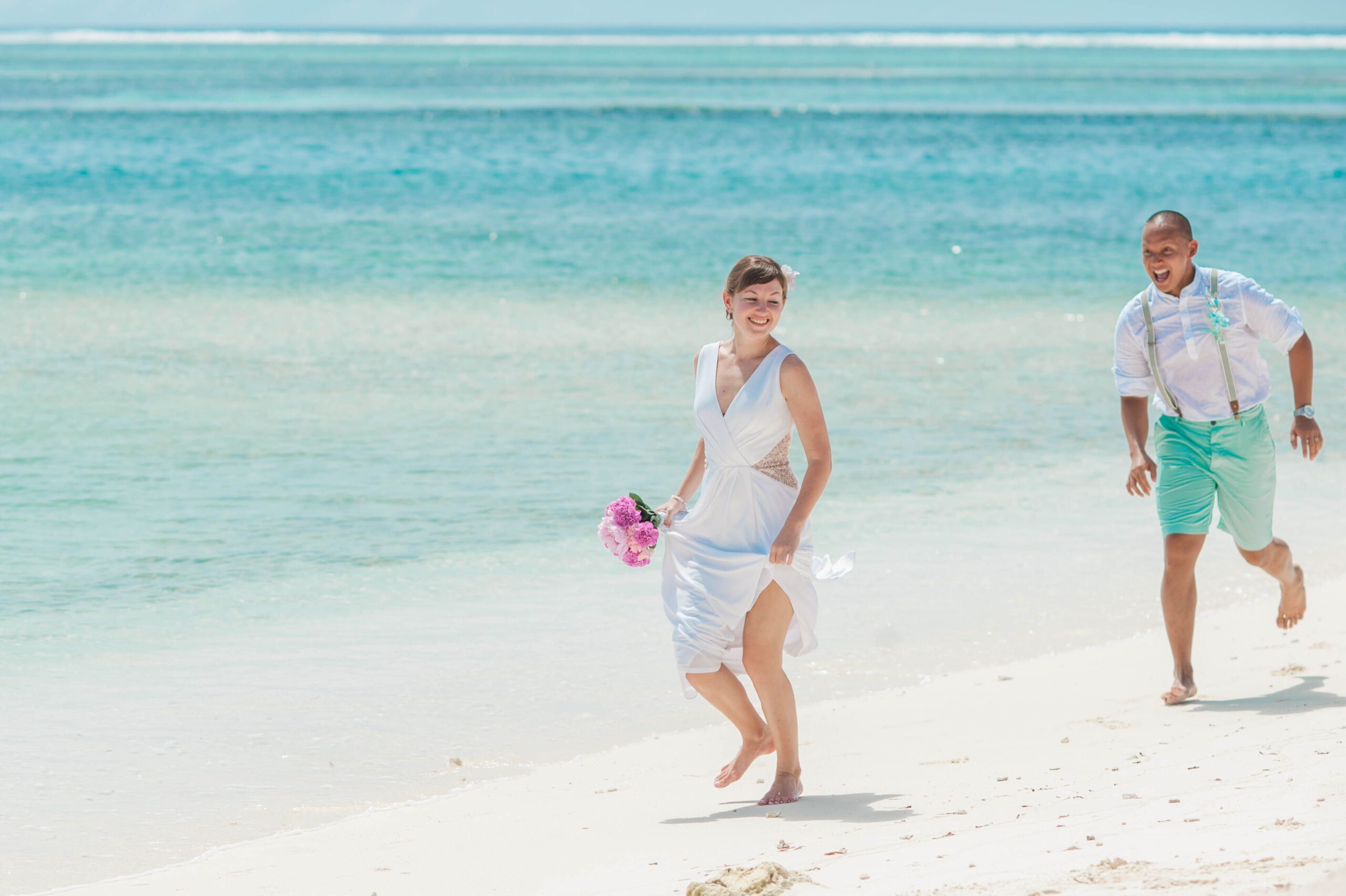
Zanzibar, Tanzania
White-sand beaches, Stone Town and reef snorkelling, planned around the tides and linked to your safari.
Zanzibar is a semi-autonomous island region of Tanzania, lying in the Indian Ocean off the East African coast. Most visitors stay on Unguja, the main island, which combines long white-sand beaches, warm water, reef snorkelling and Stone Town, a UNESCO World Heritage Site shaped by centuries of Swahili, Arab, Indian and European trade.
For many travellers, Zanzibar is the place to slow down after a wildlife safari in mainland Tanzania or Kenya. For others, it is a holiday in its own right: a honeymoon, a family beach break, or a stay built around diving, food and culture.
The island is not one uniform beach. The north, the east and the southeast feel different, the tide shapes your day on some coasts far more than others, and flight connections decide how smoothly a safari links to the beach. Silent Plains Africa Safaris plans personalised Zanzibar stays and Zanzibar-and-safari itineraries around those details, so the island fits the way you want to travel.
| Where it is | Off the coast of mainland Tanzania in the Indian Ocean, East Africa. |
| Country | Part of the United Republic of Tanzania, with its own semi-autonomous government. |
| Main islands | Unguja (usually called Zanzibar Island) and Pemba, plus many small islets. Most holidays are based on Unguja. |
| Main town | Zanzibar City, whose historic core is Stone Town, on Unguja’s west coast. |
| Main arrival point | Abeid Amani Karume International Airport (ZNZ), a short drive south of Zanzibar City. Fast ferries also arrive in Stone Town from Dar es Salaam. |
| Visa | The Tanzania visa covers Zanzibar. Zanzibar also requires its own mandatory inbound travel insurance. |
| Main experiences | Beach stays, snorkelling and diving, dhow sailing, Stone Town’s history and food, spice farms, Jozani forest and its endemic red colobus monkeys. |
| Climate | Warm year-round, with a main rainy season (the long rains, roughly March to May) and a lighter one (the short rains, around November and December). |
| Well suited to | Couples and honeymooners, families, travellers ending a safari, divers and snorkellers, and visitors interested in Swahili culture. |
Zanzibar suits travellers who want warm water and beach time with something more: a historic town to explore, a culture that is visibly different from the mainland, and easy marine excursions. It works particularly well as the final stage of a safari, because flights from northern Tanzania’s safari gateways and from Nairobi are short.
It may be less suitable if you want a completely tide-free beach on every part of the island, highly regulated wildlife encounters at sea, or a destination where beachwear is acceptable everywhere. Zanzibar is a predominantly Muslim society, and away from the beach a more modest style of dress is expected.
There are no big-game safaris on Zanzibar itself. Lions, elephants, rhinos and the great herds of the Serengeti live on the mainland. When people talk about a “Zanzibar safari”, they usually mean one of two things.
The first is a mainland safari combined with Zanzibar, for example the Serengeti or Ngorongoro followed by a beach stay. This is the most common way to experience both.
The second is nature experiences on the island, such as walking in Jozani-Chwaka Bay National Park to see the Zanzibar red colobus, a monkey found only here, or snorkelling the protected reef around Mnemba.
Both are rewarding. They are simply different kinds of trip, and it helps to plan them as such.
The biggest decision on a Zanzibar holiday is where to stay. Unguja’s coastlines differ in how the tide behaves, how busy they are, what you can do from the beach and how far they are from the airport and Stone Town.
How the Tide Changes a Zanzibar Beach
Zanzibar usually has two high tides and two low tides each day. Along much of the east and southeast coast, a wide, shallow reef flat sits between the beach and the open sea. At low tide the water can retreat a long way, revealing sand, rock pools, seaweed farms and fishing boats resting on the flats. Swimming there is easiest around mid to high tide.
In the north, around Nungwi and Kendwa, the seabed drops away more quickly, so the sea stays close and swimmable for much more of the day. Tides are more pronounced around full and new moon.
Stone Town (West Coast)
- Character: Historic and atmospheric, with busy alleys, markets and rooftop views.
- Beach and tide: Not a beach destination.
- Best for: History, food, architecture, and a first or last night near the airport and ferry port.
- Trade-offs: Hot and lively; you will want a separate beach stay.
North and Northwest (Nungwi, Kendwa)
- Character: The island’s most developed beach area, with resorts, restaurants and boat trips. Kendwa is generally calmer than Nungwi.
- Beach and tide: Least affected by tides; swimming is possible through much of the day, with sunsets over the sea.
- Best for: Travellers who want easy swimming, a choice of restaurants and evening atmosphere.
- Trade-offs: Busier and more built-up, with more beach vendors and boat traffic; a longer drive from the airport than Stone Town.
Northeast (Matemwe, Pwani Mchangani, Kiwengwa)
- Character: Long beaches and village life, with a range of resorts, including large all-inclusive properties around Kiwengwa.
- Beach and tide: Significant tidal range; swimming is tide-dependent.
- Best for: Snorkelling and diving trips to the Mnemba reef (Matemwe faces it), quieter stays and couples.
- Trade-offs: Fewer independent restaurants in some stretches; low tide limits spontaneous swimming.
Central East (Pongwe, the Michamvi Peninsula)
- Character: Smaller coves and more secluded properties.
- Beach and tide: Tidal, though some coves are relatively sheltered; the west side of the Michamvi Peninsula catches sunsets.
- Best for: Couples and honeymooners who want privacy.
- Trade-offs: Can feel remote, with fewer things to do on foot.
Southeast (Paje, Jambiani, Bwejuu)
- Character: Wide, bright beaches with a relaxed, outdoor atmosphere. Paje is a well-known kitesurfing centre; Jambiani and Bwejuu are quieter.
- Beach and tide: Very large tidal range; at low tide the sea can be hundreds of metres away.
- Best for: Kitesurfing, walkers, travellers wanting good-value stays and village life, and sunrise lovers.
- Trade-offs: Swimming windows depend on the tide, wind is part of the experience in kite season, and seaweed can collect on some beaches at certain times.
South and Southwest (Kizimkazi, Menai Bay, Fumba)
- Character: Fishing villages and a marine conservation area.
- Beach and tide: Varies by location.
- Best for: Sandbank and boat trips, and travellers looking for a quieter base.
- Trade-offs: Dolphin tours from Kizimkazi are popular but often crowded and poorly regulated.
Splitting Your Stay
Many travellers split their time: a night or two in Stone Town, then a beach stay. If you have a week or more, combining two coasts works well, for example the north for easy swimming and sunsets, then the southeast for space and a slower pace. Transfers across the island take time by road, so most people limit themselves to two bases.
Stone Town is the old quarter of Zanzibar City, on a promontory on Unguja’s west coast. UNESCO lists it as a World Heritage Site because it is an outstanding surviving example of a Swahili coastal trading town. Its buildings, made of coral stone and mangrove timber, show a blend of Swahili, Indian, Arab and European building traditions, and its carved wooden doors are among its best-known details.
Exploring on foot with a knowledgeable local expert is the best way to understand it. A typical visit takes in the narrow lanes and markets, the seafront, sites connected with the island’s history of the slave trade and its abolition, and the evening food scene along the waterfront.
Is a night in Stone Town worth it? If you are interested in history, food or photography, yes. Early mornings and evenings are cooler and quieter than midday, and staying overnight lets you see both. If your priority is the beach, a day visit from your hotel is possible, though it adds road time. Because Stone Town is close to the airport and the ferry port, it also works well as a first or last night.
Beach Time, Properly Planned
The simplest pleasure on Zanzibar is time by the sea. To make the most of it, check the tide times for your beach, choose accommodation with a pool if you are on a tidal coast, and pack reef shoes for walking on the flats at low tide.
Snorkelling and Diving
The reef surrounding Mnemba Island, about 3 km off the northeast coast, is a marine conservation area and the island’s best-known snorkelling and diving destination. Boats usually leave from Matemwe and nearby beaches, with longer road transfers from other areas. Mnemba Island itself is private, so excursions snorkel and dive the surrounding reef rather than landing on the island. Marine conservation areas charge entry fees, so check whether your excursion price includes them. Divers should also confirm that diving is covered by their own travel insurance.
Dhow Sailing and Sandbanks
Traditional wooden dhows are part of Zanzibar’s coastal identity. Sunset dhow cruises are popular in the north and around Stone Town, and day trips to sandbanks and small islands are common from Stone Town and the south. Use reputable, properly equipped excursion operators; informal dhows used as transport often have limited safety equipment.
Jozani-Chwaka Bay National Park
Zanzibar’s only national park lies roughly in the middle of the island, on the road from Zanzibar Town towards Paje, which makes it an easy stop between Stone Town and the southeast coast. It protects the island’s largest remaining natural forest and mangroves, and it is the best place to see the endangered Zanzibar red colobus, found nowhere else. Visitors are asked to stay at least 3 metres from the monkeys, for both their safety and the animals’.
Spice Farms, Food and Culture
Zanzibar’s long history in the spice trade still shows in its food. Spice farm visits explain how cloves, nutmeg, cinnamon and other spices are grown, and Stone Town is the natural place for Swahili cooking, seafood and street-food evenings. Village visits on the east coast can include seaweed farming, which is an important source of income, particularly for women.
Kitesurfing and Active Water Sports
The southeast, especially Paje, is a well-known kitesurfing area thanks to its shallow lagoons and seasonal winds. Lessons are available for beginners.
Responsible Marine Experiences
Dolphin tours from Kizimkazi in the south are widely sold, but conservation organisations working there have documented crowding and poor boat handling, and dolphin tourism in the area is not well regulated. If you want to see dolphins, choose an operator that limits boat numbers, keeps its distance and does not chase or encircle the animals, and be prepared to skip the swim if conditions are not right. For many travellers, reef snorkelling is the more rewarding marine experience.
On any reef, do not stand on coral, do not touch or feed marine life, and choose reef-safe sun protection.
Zanzibar is an island destination for beaches, marine life and culture. A wildlife safari needs a separate mainland destination and a flight or ferry connection. The good news is that the connections are short and well established.
Four Ways to Plan a Zanzibar Holiday
- Zanzibar on its own: A beach and culture holiday, typically Stone Town plus one or two beach bases. It is ideal if you have visited East Africa’s parks before, are travelling with very young children, or want a pure beach break.
- A Tanzania safari, then Zanzibar: The classic combination. Northern-circuit safaris (Serengeti, Ngorongoro Crater, Tarangire, Lake Manyara) typically end with a flight from Arusha, Kilimanjaro or a Serengeti airstrip to Zanzibar. Southern parks such as Nyerere National Park also have air links to Zanzibar. For Ruaha National Park, connections must be confirmed for your dates and may route via Dar es Salaam.
- A Kenya safari, then Zanzibar: Direct flights connect Nairobi and Zanzibar. A common pattern is a safari in the Maasai Mara or other Kenyan parks, a return to Nairobi, then a short flight to the island. Two extra checks apply: Kenya’s Electronic Travel Authorisation (eTA) and, because Kenya is classed as a yellow fever risk country, a yellow fever vaccination certificate when entering Tanzania.
- A shorter Zanzibar stay within a wider East African trip: For example, Kenya and Tanzania safaris followed by a few nights on the coast. This works when flights line up, but it adds a border crossing, extra paperwork and more internal flights, so allow buffer time.
Safari First or Beach First?
Most travellers put the safari first. Game drives often start early and can be tiring, so ending with the beach gives genuine rest before the long journey home. Beach first can make sense if you are recovering from a long-haul flight, travelling with children who need time to adjust, or if flight schedules work better that way.
Connections That Make or Break the Itinerary
Where your safari ends decides your flight. If your last safari night is in the Serengeti, a direct flight from a nearby airstrip can save a long road journey back to Arusha. If you finish near Ngorongoro or Tarangire, flights from Arusha or Kilimanjaro are usually simpler.
Small aircraft have tight baggage limits. Light aircraft serving safari airstrips often allow around 15 kg per person including hand luggage, usually in soft bags. Check the exact allowance for each flight.
Allow buffer time. Light-aircraft and regional schedules can change, and connecting from a safari flight to a same-day international departure leaves little margin. Your planner should check every leg before confirming.
Zanzibar’s entry insurance applies even from the mainland. Travellers flying or sailing in from mainland Tanzania still need the mandatory Zanzibar inbound insurance.
How Duration, Budget and Pace Shape the Plan
A shorter trip benefits from fewer transfers, perhaps a single beach base. A longer trip can include Stone Town and two coasts. Budget affects whether you fly between safari areas or drive, the style of camp and hotel, and whether you choose all-inclusive or half board. If you prefer a slower pace, building in a free day between safari and beach makes a noticeable difference.
There is no single right length of stay, but these planning examples show what different durations allow. They are starting points, not guarantees, and depend on flight times and how you like to travel.
- 3 nights: A short beach extension after a safari. This usually works best with one beach base close to your interests, plus perhaps a half-day excursion.
- 4 to 5 nights: Time to rest properly, add a Stone Town visit or one night there, and fit in a snorkelling trip or Jozani.
- 6 to 7 nights: A relaxed holiday with a Stone Town night, a beach stay and several activities, or two beach bases.
- 8 nights or more: Room for two coasts, diving, kitesurfing lessons or simply long, unhurried days.
Zanzibar is warm throughout the year, so the main question is rain.
- Drier months: Roughly June to October and around January to February. June to October is a popular time to combine the island with a mainland safari, as it overlaps with the dry season in many East African parks. January and February are usually the hottest months.
- Long rains: Roughly March to May, often heaviest in April. Expect heavier and more frequent rain, higher humidity and rougher sea days. Some hotels and activity businesses close or reduce services, while others offer lower rates.
- Short rains: Around November and December. Showers are usually lighter and shorter, often in the afternoon, with plenty of sunshine between them. The festive period is typically busy.
What This Means for Planning
Beach and swimming are possible year-round, but heavy rain and wind can reduce sea visibility and limit boat trips on some days.
Snorkelling and diving conditions vary with wind, rain and sea state, and operators adjust sites day to day.
The southeast’s kitesurfing seasons depend on prevailing winds, so ask about the specific months you are considering.
For safari connections, match your Zanzibar dates with the best months for the parks you want to visit. Wildlife patterns, including migration movements in the Serengeti and Maasai Mara, vary from year to year and cannot be guaranteed.
Arriving by Air
Abeid Amani Karume International Airport (ZNZ) is Zanzibar’s international airport, a short drive south of Zanzibar City and Stone Town. International flights use Terminal 3, while domestic flights use Terminal 2, which matters if you are connecting between a domestic and an international flight.
International routes reach Zanzibar directly from some cities in Europe, the Middle East and Africa, and many more connect via hubs such as Nairobi, Dar es Salaam, Doha, Dubai, Addis Ababa or Istanbul. Routes change, so check current options for your departure city.
From Mainland Tanzania
By air: Short scheduled flights link Zanzibar with Dar es Salaam, Arusha, Kilimanjaro International Airport, and safari airstrips in the Serengeti and Nyerere National Park.
By ferry: Fast passenger ferries run between Dar es Salaam port and Stone Town. The crossing commonly takes around two hours, though times vary by vessel and sea conditions. Travel in the morning or around midday if you want to arrive in daylight, allow plenty of time for city traffic in Dar es Salaam, and book ahead at busy times through the operator or an approved agent.
From Kenya
Direct flights connect Nairobi’s Jomo Kenyatta International Airport with Zanzibar. If your Kenya safari ends at a park airstrip, you will usually fly to Nairobi first and connect.
Getting Around the Island
Most visitors use pre-arranged private transfers between the airport, Stone Town and their hotel. Transfer times depend on your coast and on traffic. The north and the southeast are both a significant drive from the airport, and the final approach to some east-coast hotels is on sandy tracks. Excursions normally include hotel pick-ups. Self-driving and motorbike hire are possible but less relaxing, as road conditions and driving standards can be challenging for visitors.
When you arrive from or depart for a safari, a private transfer timed to your flight is the simplest option. Your planner can also advise whether a Stone Town night makes sense to break a long travel day.
Rather than starting with a hotel name, start with these questions.
The cost of a Zanzibar holiday depends mainly on these factors.
- Season: The busiest periods, including the June to October dry season and the festive holidays, usually carry higher rates. The long rains are typically the lowest-priced time.
- Accommodation: The largest variable. Coast, room type, villa or standard room, and meal plan all affect the price. Room rates and per-person rates are quoted differently, so compare like with like.
- Flights: International fares, plus domestic or regional flights from your safari or from Nairobi or Dar es Salaam.
- Transfers: Private transfers are priced per vehicle, so they become more economical for families and groups.
- Excursions: Snorkelling trips, dhow cruises, spice tours and Stone Town visits are priced per person or per boat, and marine conservation area fees may be extra.
- Mandatory charges: Tanzania visa fees for most nationalities and Zanzibar’s compulsory inbound travel insurance, plus Kenya’s eTA if your trip includes Kenya.
- The safari element: Park fees, camp style and whether you fly or drive between parks usually account for a large share of a combined trip.
Visa and Passport
Zanzibar is part of Tanzania, so one Tanzania visa covers both the mainland and the islands. Most nationalities need a visa. Apply through the official Tanzania Immigration eVisa portal, as unofficial sites can charge extra. Visa on arrival is available for many nationalities. Passports generally need to be valid for at least six months from arrival. Expect passport checks when moving between the mainland and Zanzibar.
Zanzibar’s Mandatory Inbound Travel Insurance
All foreign visitors entering Zanzibar, excluding residents, must hold inbound travel insurance issued by the Zanzibar Insurance Corporation, covering stays of up to 92 days. Your own travel insurance does not replace it. Buy it in advance through the official Visit Zanzibar website and keep the confirmation available on arrival. It is not a substitute for comprehensive travel insurance from home, which you should still have for cancellations, flights and activities such as diving.
If Your Trip Includes Kenya
Most foreign visitors need an approved Kenya Electronic Travel Authorisation (eTA) before travelling, applied for through Kenya’s official eTA portal. Because Kenya is a yellow fever risk country, Tanzania may require a yellow fever vaccination certificate from travellers arriving from Kenya.
Health
A yellow fever certificate is required when arriving from, or transiting for more than 12 hours through, a country with yellow fever risk. Zanzibar is a malaria-risk area. Speak with a travel health professional well before departure about vaccinations and malaria prevention.
Respecting Local Culture
Zanzibar is a predominantly Muslim society. Beachwear is fine at the beach and in resorts, but cover shoulders and knees in Stone Town and in villages. During Ramadan, avoid eating and drinking in public during daylight hours outside your hotel, and be aware that some restaurants may change their hours. Ask before photographing people.
Laws to Be Aware Of
Plastic bags are banned in Zanzibar and mainland Tanzania. Tanzanian law, including in Zanzibar, criminalises same-sex relationships, so LGBTQ+ travellers may wish to review their government’s advice before travelling.
Money
The local currency is the Tanzanian shilling. US dollars are widely quoted for tourism services. Card acceptance varies, especially at smaller businesses and some ticket offices, so carry some cash.
Safety at Sea and on the Reef
Use licensed operators with life jackets and suitable boats, follow advice about currents and weather, and avoid informal boats as transport. Respect marine conservation area rules, keep your distance from wildlife and never touch coral.
Every Zanzibar holiday we plan starts with how you want to spend your time, not with a fixed package. Silent Plains Africa Safaris can help you decide which coast suits you, how long to stay, whether Stone Town deserves a night and how to link the island with a safari in Tanzania or Kenya. We then check the connections, transfers and timings that make the trip work.
To prepare a suitable proposal, it helps to know:
- Your approximate travel dates and how flexible they are.
- The number of travellers, including children’s ages.
- Your preferred accommodation style and approximate budget.
- Whether you want a safari, and if so, in Tanzania, Kenya or both.
- The pace you enjoy: active and varied, or slow and restful.
- The activities that matter to you: snorkelling, diving, culture, food, kitesurfing or simply resting.
- Any special occasions, such as a honeymoon or anniversary.
- Any accessibility or dietary requirements.
Share your plans and we will suggest an itinerary that fits.
Where is Zanzibar?
Zanzibar is an archipelago in the Indian Ocean off the coast of mainland Tanzania in East Africa. Its main island, Unguja, is the one most people mean by “Zanzibar”, and it is home to Stone Town and the main airport.
Is Zanzibar part of Tanzania?
Yes. Zanzibar is a semi-autonomous region of the United Republic of Tanzania. It has its own government for many internal matters, but the Tanzania visa covers entry. Zanzibar additionally requires visitors to buy its own mandatory inbound travel insurance.
What is the difference between Zanzibar and Stone Town?
Zanzibar is the island region as a whole. Stone Town is the historic old quarter of Zanzibar City on the main island’s west coast and is a UNESCO World Heritage Site. It is a cultural destination rather than a beach area.
Can you go on safari in Zanzibar?
Not a big-game safari. Zanzibar’s nature experiences include Jozani forest’s endemic red colobus monkeys and marine life on the reefs. For lions, elephants and the Serengeti, travellers combine Zanzibar with a mainland safari.
Which part of Zanzibar is best for swimming?
The north and northwest, around Nungwi and Kendwa, are the least affected by tides, so swimming is possible for much of the day. On the east and southeast coasts, such as Paje and Jambiani, the sea retreats far at low tide and swimming is easiest around mid to high tide.
Is Zanzibar good for families and honeymooners?
Yes, if the base is chosen carefully. Families often prefer resorts with pools and easy swimming, while honeymooners may favour quieter coves or smaller properties. Tides, transfer times and dining options should all be considered.
How do I get to Zanzibar from mainland Tanzania?
Fly from Dar es Salaam, Arusha, Kilimanjaro or a safari airstrip such as those in the Serengeti, or take a fast passenger ferry from Dar es Salaam to Stone Town. Check current schedules, as times and frequencies vary.
Can I combine a Kenya safari with Zanzibar?
Yes. Direct flights connect Nairobi and Zanzibar. You will need Kenya’s eTA for the Kenya portion and should expect to show a yellow fever vaccination certificate when entering Tanzania from Kenya.
Do I need special insurance for Zanzibar?
Yes. Foreign visitors must hold inbound travel insurance from the Zanzibar Insurance Corporation, bought through the official Visit Zanzibar website. It is required even if you already have travel insurance and even if you arrive from mainland Tanzania.
What is the rainy season in Zanzibar?
The main rainy period, the long rains, runs roughly from March to May. A lighter rainy period, the short rains, usually falls around November and December. Rainfall patterns vary from year to year.
Whether you are picturing a week of sea and sunsets, a few calm nights after the Serengeti, or a Kenya safari ending on the Indian Ocean, we can help shape a trip around your dates, budget and pace. Tell us what you have in mind and we will reply with tailored suggestions.
You can also browse our Tanzania safari packages or Kenya safari packages, or contact us to start planning.