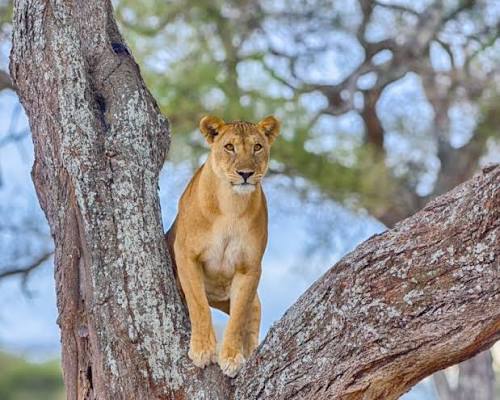
Tarangire National Park Safari
Big elephant herds and ancient baobabs, a short drive from Arusha in northern Tanzania.
Tarangire National Park sits in Tanzania’s Manyara Region, roughly a two-to-three-hour drive southwest of Arusha. It is named after the Tarangire River, which runs north through the park and becomes the most important source of fresh water for miles around once the rains stop. From around June to October, elephants, zebras, wildebeest, buffalo and many other animals move in from the surrounding plains to drink. During those months, the park becomes one of the most rewarding places in northern Tanzania to watch large herds against a backdrop of ancient baobab trees.
Many travellers pass through Tarangire on the first day of a northern circuit before heading to Ngorongoro and the Serengeti. It deserves more thought than that. The season you travel in, where you sleep and how much time you give the park all change what you will experience.
Silent Plains Africa Safaris can help you plan a Tarangire safari that matches your interests, travel dates and budget, whether you are considering a single day or a longer stay as part of a wider Tanzania itinerary.
| Location | Manyara Region, northern Tanzania; southwest of Arusha |
| Managed by | Tanzania National Parks (TANAPA) |
| National park since | 1970 |
| Size | Approximately 2,850 sq km (about 1,100 sq miles) |
| Wider ecosystem | Around 20,500 sq km, including wet-season dispersal areas outside the park |
| Landscapes | River valley, acacia and combretum woodland, seasonal swamps, grassland and baobab-studded ridges |
| Signature wildlife | Elephants, plus large dry-season herds of zebra, wildebeest and buffalo |
| Birdlife | Well over 400 species recorded, including Tanzanian endemics |
| Rainfall pattern | Short rains around November to December (sometimes later), long rains around March to May, main dry season June to October |
| Main access | Paved road from Arusha; light aircraft to an airstrip inside the park |
| Main activity | Daytime game drives; walking and night activities through authorised arrangements |
| Role in itineraries | Often combined with Lake Manyara, Ngorongoro Crater and the Serengeti |
A park shaped by one river
Tarangire’s character comes from water. During the rains, animals spread out across the Maasai Steppe and the plains to the north and east, an area many times larger than the park. As those seasonal pools and grasslands dry out, the Tarangire River and its swamps become the only dependable water in the region, and wildlife follows.
That annual movement is what visitors are really coming to see. In the dry months, the riverbanks and swamps can be busy with grazing herds, drinking elephants and the predators that follow them. In parts of the river, flowing water shrinks to pools and sandy channels, and elephants can sometimes be seen digging in the riverbed for water below the surface.
Elephant country
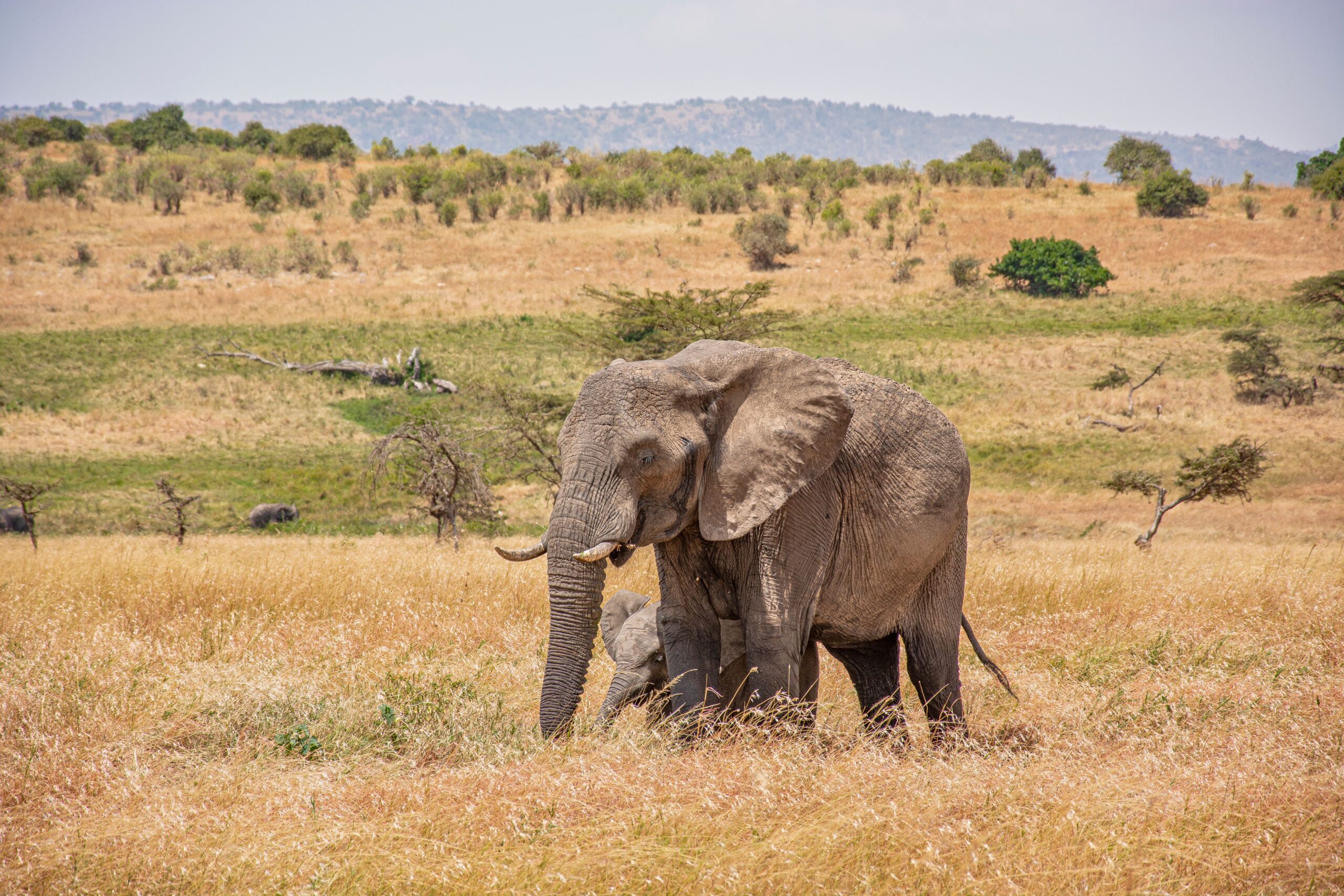
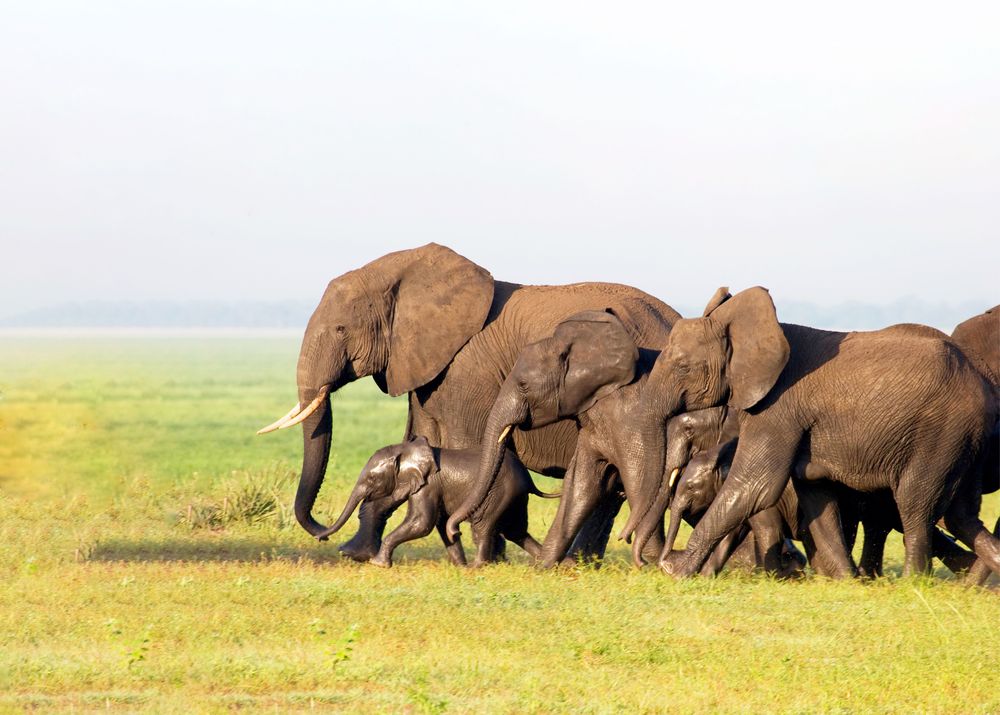
Tarangire is widely known for its elephants. The wider ecosystem supports one of northern Tanzania’s most important elephant populations, and in the dry season family groups gather along the river valley. Seeing elephants here is less about a single sighting and more about time spent watching them: herds crossing the river, calves staying close to their mothers, bulls feeding on baobab bark.
Elephant numbers in any one area change with the season, the rainfall and the herds’ own movements. Dry-season visits generally offer the best chance of large gatherings, but no particular encounter can be promised.
Baobabs and a distinctive landscape
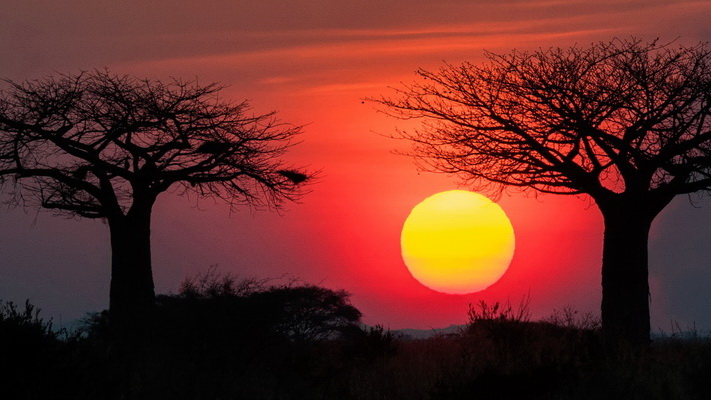
Where the Serengeti is famous for open grassland, Tarangire feels more varied and enclosed. Huge baobab trees stand out across the ridges and woodland, especially in the northern part of the park, and give it a look that many visitors remember long after the trip. Some baobabs are many centuries old. For photographers, the combination of grey elephants, red earth and baobab silhouettes is one of the park’s strongest attractions.
Rich birdlife across many habitats
Woodland, river, grassland and swamp sit close together in Tarangire, and that variety supports an impressive bird list. Well over 400 species have been recorded. Highlights for many visitors include the colourful yellow-collared lovebird, an East African endemic, along with ashy starlings and rufous-tailed weavers, which are found only in Tanzania.
A useful counterpart to other northern parks
Tarangire offers something different from its neighbours. Ngorongoro Crater gives concentrated game viewing within a volcanic caldera. The Serengeti offers vast plains and the great wildebeest migration. Lake Manyara is compact, with forest and lakeshore. Tarangire adds elephant-rich river country, baobab scenery and, at some camps, walking and night drives, which are not offered everywhere in the region.
Tarangire supports a broad range of East African savannah wildlife. What you see depends heavily on season, habitat and luck. The notes below describe what visitors may encounter, not what is guaranteed.
Elephants
Elephants are the park’s best-known residents and are commonly seen, particularly from June to October when herds concentrate along the river and swamps. In the wetter months many move out of the park into surrounding areas.
Lions and other predators
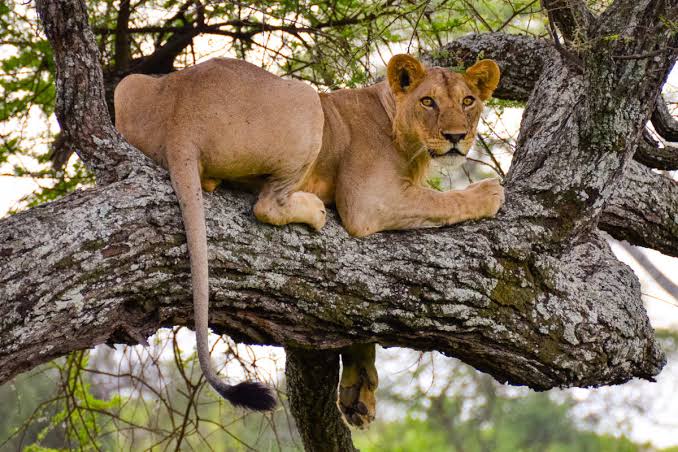
Lions live in the park and are seen regularly by many visitors, often resting in shade near water or along the river valley. Leopards are also present but, as in most parks, are elusive and more often glimpsed than watched at length. Cheetahs, caracals and African wild dogs have been recorded but are uncommon sightings. Spotted hyenas, jackals and smaller carnivores such as mongooses complete the picture.
Herds and grazing animals
During the dry season, zebras, wildebeest and buffalo arrive in large numbers from the surrounding plains. Giraffes, impalas, waterbuck, warthogs and dik-diks are commonly seen. Tarangire is also one of the more reliable northern parks for species adapted to drier country, such as fringe-eared oryx, lesser kudu and gerenuk. These are not seen on every visit and may be harder to find outside the dry season.
Birdlife
Birdwatching is rewarding all year. Resident species include the yellow-collared lovebird, red-and-yellow barbets on termite mounds, hornbills, bustards and ostriches, and large raptors patrol the woodland. In the rains, migrant birds arrive and the swamps attract waterbirds. Around April, large flocks of lesser kestrels, a globally threatened species, have been recorded in the park.
What about the Big Five?
Elephants, lions, buffalo and leopards live in Tarangire. Black rhinos are not a realistic expectation here. If seeing a rhino is important to you, Ngorongoro Crater is usually a better place to try, and combining the two is straightforward.
Why sightings vary
Wildlife moves according to water, grazing and breeding. A year with late long rains may delay the return of herds, and early short rains can cause animals to start dispersing in October or November. Tall grass in the green season also makes animals harder to spot. An experienced driver with good local knowledge makes a real difference, but nature always has the final say.
Daytime game drives
Game drives in a 4x4 safari vehicle are the main way to explore Tarangire. Most visitors focus on the river valley and the northern sector, which are closest to the main entrance and rich in wildlife during the dry season. Staying inside or close to the park makes it easier to be out early in the morning and late in the afternoon, when the light is softer and many animals are more active. A private vehicle lets you set your own pace, which is particularly useful for photographers and families.
Birdwatching and photography
With well over 400 recorded species and varied habitats, Tarangire suits keen birders as well as casual observers. Photographers often value the baobab landscapes, dry-season elephant herds and dramatic skies at the start of the rains. If photography is a priority, mention it when you enquire so the itinerary can allow longer stops and early starts.
Walking safaris
Walking is one of the activities that sets Tarangire apart from some other northern parks. Walks inside the national park are carried out with an armed park ranger and are subject to TANAPA rules and a separate activity fee. Several lodges in and around the park also offer walks, including on private or community land bordering the park. Walks focus on tracks, plants, insects and birds as much as large animals, and minimum age limits usually apply. Availability depends on where you stay and should be confirmed when planning.
Night game drives
Night drives are permitted in Tarangire, which is unusual among Tanzania’s national parks. They are arranged through authorised operators or lodges and carry a separate activity fee. Some lodges outside the park run night drives on neighbouring private or community land instead. After dark you may see animals rarely encountered by day, such as genets, bushbabies, porcupines and owls. Ask in advance, as night drives are not offered by every property or on every date.
Hot-air balloon flights
A specialist balloon operator advertises dawn balloon flights over Tarangire. These are a premium add-on, depend on the weather and the operator’s season, and must be booked well in advance. Check availability for your specific travel dates.
Cultural visits
Maasai communities live around the park, and some lodges arrange village visits, which take place outside the national park. If you are interested, we can help you look for options that are respectful and well organised.
A note on self-drive
Self-drive visits to Tanzanian national parks are possible in principle. They require a suitable 4x4 vehicle, correct registration and payment arrangements at the gate. Most international visitors find a vehicle with an experienced safari driver more practical and more rewarding.
The dry season, roughly June to October, usually offers the most concentrated wildlife viewing in Tarangire, because animals gather around the river and swamps. The green months bring fewer visitors, lush scenery, newborn animals and excellent birding, but wildlife is more spread out.
Tarangire’s rainfall comes in two seasons and varies a great deal from year to year. The short rains are particularly unreliable and sometimes fail altogether. Treat the seasonal overview below as a general pattern, not a forecast.
| Season | Wildlife | Landscape | Birds | Visitors | Accommodation |
|---|---|---|---|---|---|
| June to October: main dry season | Herds concentrate along the river and swamps; strong elephant viewing | Grass dries and thins, improving visibility; dusty roads | Good resident birding | Busiest period, particularly July to September | Peak demand; book early |
| November to December: short rains | Animals start dispersing as rain arrives; timing varies by year | Quick green-up after rain; dramatic skies | Migrant species arrive | Quieter after the dry-season peak | Shoulder-season pricing at some properties |
| January to February: drier spell between the rains | Resident wildlife remains; many migratory herds are outside the park | Green and attractive; warm | Excellent, with breeding plumage and migrants | Moderate | Varies by property |
| March to May: long rains | Animals widely dispersed; tall grass reduces visibility | Lush; some tracks can become muddy | Very good, including large flocks of lesser kestrel around April | Lowest numbers | Some seasonal camps close; lower rates at others |
Choosing by priority
- For the best chance of large elephant gatherings and herds, travel between June and October.
- For quieter game drives and green landscapes, consider November to February, accepting that herds may be more spread out.
- For birding, the rainy months are especially rewarding.
- For a lower budget, the long rains often bring lower rates, but expect some closures and muddy tracks.
Tarangire month by month
January and February are often warm and green, with resident wildlife and good birding. March, April and May are usually the wettest months, and April can be very wet. June marks the return of dry conditions and the herds. July, August and September are typically very dry, with strong game viewing and the busiest roads. October is often hot and dry with concentrated wildlife, although early rains can start the dispersal. November and December bring the short rains, fresh grass and fewer vehicles. Conditions in any given year can differ from this pattern.
A day trip from Arusha gives you a taste of the park; one or two nights give you time to see it properly.
Day trip from Arusha
A day trip is possible because Tarangire is relatively close to Arusha. Allow roughly two to three hours each way by road, depending on your start point and stops. That leaves several hours inside the park, mainly in the northern sector and along the river. A day trip suits travellers with limited time, those adding a safari to a business or Kilimanjaro trip, and anyone wanting a first look at Tanzanian wildlife. The trade-off is that you spend a large part of the day on the road and miss the early-morning and late-afternoon light inside the park.
One night
Staying overnight in or near the park lets you combine an afternoon drive with an early-morning drive the next day. This is a popular middle ground on northern circuit itineraries and gives noticeably more time with wildlife than a day trip.
Two nights or more
Two nights allow a full day in the park, the chance to explore beyond the busier northern area and time for walks or night drives where available. This is often the more satisfying choice if you particularly want elephants, birds or photography. It also helps in the green season, when wildlife is more spread out.
Where you sleep matters
Camps deep inside the park can be wonderfully quiet, but they may add an hour or more of driving on the day you leave for Ngorongoro or the Serengeti. Lodges close to the main gate make onward travel easier but may mean more driving to reach quieter areas. A good itinerary balances these factors rather than choosing a lodge on looks alone.
The cost of a Tarangire safari depends mainly on accommodation, the number of people sharing a vehicle, the season and the number of days. Official park fees are only one part of the total.
What shapes a Tarangire safari quotation
- Number of travellers: vehicle and driver costs are shared, so per-person costs usually fall as group size rises.
- Private or shared arrangements: a private vehicle offers flexibility, while shared departures, where available, can cost less.
- Accommodation category: options range from campsites and simple tented camps to high-end lodges, and this is often the biggest variable.
- Season: dry-season months usually carry higher accommodation rates than the long rains.
- Inside or outside the park: staying inside the park adds a nightly concession fee per person but saves driving time.
- Vehicle and driver: a 4x4 safari vehicle with an experienced driver, fuel and the vehicle’s park entry.
- Park conservation fees: charged per person, generally per 24-hour period.
- Transfers: from Arusha, Kilimanjaro International Airport or another starting point.
- Meals and drinks: what is included varies between properties and itineraries.
- Extra activities: walking safaris, night drives and balloon flights carry their own charges.
- Domestic flights: if you choose to fly into or out of the park.
How Tarangire park fees work
Tarangire is managed by TANAPA, which sets the official tariff. Fees typically include:
- A conservation (entry) fee per person, usually valid for 24 hours from entry.
- A vehicle entry fee per vehicle.
- A concession fee per person per night if you stay at a lodge or camp inside the park, or a camping fee if you camp inside.
- Separate activity fees for walking safaris and night drives inside the park.
Rates differ for foreign non-residents, Tanzanian residents and East African citizens, and for adults and children. Young children are often exempt. VAT treatment and seasonal variations can apply, and TANAPA revises its tariff from time to time. Payment at the gate is cashless.
Because rates change, Silent Plains Africa Safaris confirms the current official fees at the time of quoting rather than relying on older published figures. Every quotation should show clearly which park fees are included.
There are three broad options, each with its own trade-offs, plus camping.
Inside the national park
Lodges and tented camps inside the park put you closest to the wildlife. You can be on a game drive within minutes of breakfast and return to camp for lunch in the middle of the day. Properties range from larger lodges with swimming pools, such as Tarangire Safari Lodge overlooking the river and the family-friendly Tarangire Sopa Lodge, to small seasonal tented camps in remote parts of the park. An overnight concession fee applies, and some smaller camps open only in the dry season.
Bordering the park
Several lodges sit on private or community-managed land next to the park, including wildlife management areas. These can offer activities on their own land, such as night drives or walks, and a more secluded feel. You still drive into the park for game drives, so check how far each property is from the nearest gate.
Between Tarangire and Lake Manyara
Lodges in the Lake Manyara and Mto wa Mbu area, or around Lake Burunge, are convenient for itineraries that continue to Lake Manyara or Ngorongoro. They can offer good value but mean longer drives into Tarangire.
Camping
Tarangire has a public campsite near the northern part of the park, as well as special campsites by arrangement. Camping suits adventurous travellers but requires appropriate equipment, staffing and booking with the park authority.
How to choose
Think about:
- How much time you want for game drives versus driving.
- Whether you want walking or night activities.
- Your budget and preferred style.
- Family needs, such as interconnecting rooms or child-friendly facilities.
- Whether the property is open on your travel dates.
- Where you are going next.
Names can be misleading: a property with “Tarangire” in its name is not necessarily inside the national park. We check the location, operating season and suitability of each option when building your itinerary.
By road from Arusha
Most visitors arrive by road from Arusha, the main starting point for northern Tanzania safaris. The route follows the paved road southwest toward Makuyuni and then south to the park’s main entrance in the north. Expect a road distance of roughly 120 km and a journey of about two to three hours. The actual time depends on where you start in Arusha, traffic, stops and the gate you use.
From Kilimanjaro International Airport
Kilimanjaro International Airport lies east of Arusha, so allow extra time for the transfer through Arusha toward Tarangire. Many travellers spend a night in Arusha after an international flight before setting out on safari.
By air
Light aircraft serve an airstrip inside the park. It is used mainly by guests at certain in-park camps and by travellers linking Tarangire with the Serengeti or other parks. Flights save time but add cost, and baggage limits on small aircraft are usually strict, often around 15 kg in soft bags. Schedules change, so confirm flights at the time of booking.
From elsewhere in the northern circuit
Lake Manyara National Park is around 70 km away by road, and the road continues past Lake Manyara and Karatu to the Ngorongoro Conservation Area. Reaching central Serengeti from Tarangire by road takes a full day, with many hours of driving through the Ngorongoro highlands. Most itineraries therefore break the journey with a night near Ngorongoro.
Tarangire’s location near Arusha makes it a natural first or last stop on a northern Tanzania safari.
Tarangire and Lake Manyara
The two parks are close together and contrast well: Tarangire’s river country and baobabs against Lake Manyara’s groundwater forest and lakeshore. They work well together on a short safari of two or three days.
Tarangire and Ngorongoro Crater
This is a classic short combination. Tarangire offers elephants and space, while the crater offers a dense concentration of wildlife and a realistic chance of seeing black rhino. Staying overnight between the two, around Karatu or on the crater rim, keeps driving manageable.
Tarangire, Ngorongoro and the Serengeti
This is the most popular northern circuit. Starting with Tarangire eases you into safari close to Arusha before the longer drives further west. With five days or more, you can give each area at least one full day. Trying to cover all three in very few days usually means long hours in the vehicle and less time watching wildlife.
Route order and pace
The order matters. Visiting Tarangire first works well on most road-based itineraries, and some travellers fly out of the Serengeti at the end to avoid the long drive back to Arusha. If your trip centres on the Serengeti migration, the timing of that part of the trip may decide when you visit Tarangire. We plan the sequence around your dates, budget and wildlife priorities.
Park rules and entry
Visitors must stay in their vehicles except at designated areas or during authorised activities. You must also keep to approved tracks, observe park hours and avoid disturbing wildlife, and feeding animals is prohibited. Park fees are paid by card or other approved cashless methods at the gate, and you need identification to confirm your residency category.
What to wear and pack
Light, neutral-coloured layers work well, as mornings can be cool and middays hot. Bring a hat, sunglasses, sunscreen and a light jacket. Tsetse flies occur in parts of Tarangire, particularly in woodland, and are attracted to dark blue and black clothing, so avoid those colours. Binoculars greatly improve game drives and birding.
Photography
A zoom lens in the 100 to 400 mm range suits most wildlife. Dust is common in the dry season, so protect your cameras and lenses. Ask your driver to position the vehicle with the light behind you where possible, and respect wildlife distances.
Families
Tarangire can work well for families, especially combined with a lodge that offers a pool and family rooms. Shorter drives with midday breaks help younger children. Walking safaris and some other activities have minimum age limits, and certain camps set age restrictions, so check before booking.
Responsible wildlife viewing
Give animals space, keep noise low, never block an animal’s path to water and follow your driver’s direction around elephants. Support properties and activities that work responsibly with surrounding communities.
Health and travel documents
Requirements for visas, vaccinations and malaria prevention change and depend on your nationality and route. Check official government sources and speak with a travel health professional before you travel.
Tarangire rewards careful planning. The same park can feel very different depending on the month you visit, the camp you choose and how much time you allow. Silent Plains Africa Safaris focuses on getting those decisions right for you:
- Matching the itinerary to your interests, whether that is elephants, birds, photography or a relaxed first safari.
- Suggesting accommodation that suits your budget and travel style, and explaining whether each option is inside or outside the park.
- Balancing Tarangire with Lake Manyara, Ngorongoro, the Serengeti or other destinations so you spend more time on safari and less on the road.
- Explaining what is included in your quotation, including how park fees are handled.
- Clarifying practical details before you confirm, from transfer arrangements to activity availability.
Where is Tarangire National Park?
Tarangire National Park is in the Manyara Region of northern Tanzania, southwest of Arusha. It is roughly a two-to-three-hour drive from Arusha by road and lies about 70 km from Lake Manyara National Park.
What is Tarangire National Park famous for?
Tarangire is best known for its elephants, its ancient baobab trees and the large concentrations of wildlife that gather along the Tarangire River in the dry season. It is also rewarding for birdwatching.
Why is Tarangire known for elephants?
In the dry season, the Tarangire River and its swamps become the main water source in the wider ecosystem. Elephants from the surrounding area gather there, so herds are frequently seen along the river valley from around June to October.
What is the best time to visit Tarangire National Park?
For the most concentrated wildlife, visit in the dry season, roughly June to October. The green months from November to May are quieter and excellent for birds, but animals are more dispersed and the grass is taller.
How many days should I spend in Tarangire?
A day trip offers a good introduction, and one night allows both afternoon and early-morning game drives. Two nights give time to explore more widely and to add walks or night drives where available.
Can I visit Tarangire on a day trip from Arusha?
Yes. Allow roughly two to three hours each way by road. A day trip suits travellers short on time, but much of the day is spent travelling and you miss the early and late hours in the park.
How much does a Tarangire safari cost?
The cost depends on the number of travellers, accommodation category, season and number of days. It also depends on whether the vehicle is private and which park fees and activities are included. Silent Plains Africa Safaris prepares a tailored quotation based on your plans.
What are the park entry fees for Tarangire?
TANAPA charges a per-person conservation fee, usually valid for 24 hours, plus a vehicle fee. Staying inside the park adds an overnight concession or camping fee, and walks and night drives have separate fees. Rates vary by residency and age and are revised periodically, so always check the current official tariff before travel.
Can you see the Big Five in Tarangire?
Elephants, lions, buffalo and leopards live in Tarangire, but black rhinos are not a realistic expectation. Combining Tarangire with Ngorongoro Crater gives a better chance of seeing rhino, though no sightings can be guaranteed.
Where should I stay for a Tarangire safari?
Lodges inside the park give the most time with wildlife, while lodges on bordering land may offer walks and night drives on their own land. Properties near Lake Manyara suit onward travel. The best choice depends on your budget, preferred activities and next destination.
Can Tarangire be combined with Serengeti and Ngorongoro?
Yes. Tarangire is often the first stop on the northern circuit, followed by Ngorongoro and then the Serengeti. Allowing at least five days for all three helps avoid excessive driving.
Are walking safaris and night drives available in Tarangire?
Yes, through authorised arrangements. Walks inside the park take place with an armed ranger, and night drives are permitted; both have separate activity fees. Availability depends on where you stay, so confirm when planning.
Is Tarangire good for a family safari?
It can be. Its closeness to Arusha keeps travel times shorter, and some in-park lodges offer family rooms and pools. Check age limits for walking safaris and certain camps before booking.
Whether you are considering a day in Tarangire or a longer journey through northern Tanzania, Silent Plains Africa Safaris can help you shape an itinerary that fits.
To help us plan, it is useful to share:
- Your intended travel dates or month
- Number of travellers, including children’s ages
- Preferred accommodation style or category
- Number of safari days available
- The wildlife or experiences that matter most to you
- Other destinations you would like to include
- An approximate budget, if you are comfortable sharing it