
3-Day Maasai Mara Safari from Nairobi
Nairobi – Maasai Mara National Reserve – Nairobi
Best for: Travellers short on time
View 3-day itinerary →Private, tailor-made Maasai Mara safaris from Nairobi, from a focused 3-day trip to a 12-day journey across Kenya. Choose between a camp inside the reserve, close to the Mara River, or a private conservancy with fewer vehicles and night drives. We plan the transfers, nights and game-drive time around your dates, budget and the season. Every itinerary below is a starting point. Accommodation, pace and extra destinations are adjusted when we quote.
The Maasai Mara lies in south-west Kenya, in Narok County, on the border with Tanzania. It forms the northern part of the Serengeti–Mara ecosystem. The “greater Mara” has two parts:
Animals move freely across both. What changes is the set of rules, the number of vehicles around you and the activities you can do.
Wildlife you may encounter includes lion, leopard, cheetah, elephant, buffalo, giraffe, hippo, crocodile, spotted hyena, topi, zebra, wildebeest and more than 450 bird species. Rhinos are present but rarely seen. No sighting is guaranteed.
Where you sleep matters as much as how long you stay. A camp close to the areas you most want to explore gives you more time watching wildlife and less time driving to reach it.
Most camps start the morning drive around sunrise and return for brunch or lunch. Afternoon drives run until close to sunset. Full-day drives with a packed lunch are popular, especially when you are heading towards the Mara River. Exact timings depend on your camp.
The road journey takes roughly 5–6 hours, including a break. Scheduled light aircraft fly from Wilson Airport in Nairobi in about 40–75 minutes, depending on stops. The last part of the road route is rough and slow.
Our itineraries are quoted on a private-vehicle basis, with the vehicle and driver arrangements confirmed in your quotation. Private self-drive vehicles are not allowed on game drives inside the reserve.
The Mara is a year-round destination. The large lion, cheetah and plains-game populations stay all year. Seasons change the scenery, the crowds, the road conditions and the prices.
| When | What to expect |
|---|---|
| January–March | Usually warm and drier. Fewer visitors and good predator viewing. The migration herds are mostly in Tanzania during this period. Reserve fees are at the lower 2026 rate. |
| April–May | The long rains. Roads can be muddy and some camps close. Green landscapes, the fewest visitors, and low-season rates where camps stay open. Flying in is the sensible choice. This is the answer for “Maasai Mara safari in May”: quiet and lush, but plan for rain. |
| June | Often dry. The herds may start arriving from the south late in the month, but timing varies from year to year. |
| July–October | Peak season. The migration herds are usually in the greater Mara, and Mara River crossings are possible but never scheduled. Reserve fees are at the higher rate, camp rates are higher and sightings are busier. |
| November–December | The short rains, usually brief afternoon showers. Herds often begin moving south. A quieter shoulder season, though the festive period can be busy and camp rates vary. Reserve fees stay at the higher rate until 31 December. This is the answer for “Maasai Mara safari in December”: good game, fewer vehicles than August, and higher fees. |
Conservancies are worthwhile in every season. In peak months, they offer a quieter base with access to the reserve.
More than a million wildebeest, with zebra and gazelle, move around the Serengeti–Mara ecosystem in a loop that follows rain and fresh grazing. Calving usually happens in the southern Serengeti early in the year. The herds then move north and typically reach the Mara around July, before heading back south as the short rains begin.
Two points matter for planning:
If the migration is your priority, choose a trip of at least 4 nights in July–October and include reserve access. If you prefer quiet over herds, January–March or a conservancy stay may suit you better.
Horse riding operates in some conservancies only. Ask us before assuming it is available.
We do not publish fixed package prices on this page, because the final cost depends heavily on the choices below. Ask for a quotation based on your dates.
Days are not the same as nights. A 3-day safari usually has 2 nights and only one full day in the Mara. Every itinerary on this page states its nights and identifies its transfer days.
Not sure what fits your budget? Tell us your dates and group size, and we will price two options side by side.
We recommend specific camps at quotation stage, based on availability, season and your priorities.
Flying makes the most difference on short trips, for families with young children, and in the April–May rains.
Choose the trip length that fits your time and interests, then open the full itinerary. Every route starts and ends in Nairobi unless stated otherwise.
| Duration | Nights | Best for | Main focus | Other destinations | Main advantage | Key trade-off |
|---|---|---|---|---|---|---|
| 3 days | 2 | Short stopovers | Reserve, one full day | None | Fits a tight schedule | Long road days if not flying |
| 4 days | 3 | First-time visitors | Reserve, two full days | None | Room for a balloon flight or a full-day drive | Still a short stay |
| 5 days | 4 | Couples, photographers | Private conservancy | None | Night drives, walks, fewer vehicles | Day trips to the river cost extra fees |
| 6 days | 5 | Migration seekers | Reserve plus conservancy | None | River access and quiet in one trip | One camp change |
| 7 days | 6 | Families, road travellers | Lake Naivasha plus Mara | Lake Naivasha | Breaks up the drive, boat trip | One night away from the Mara |
| 8 days | 7 | Big Five hopefuls | Lake Nakuru plus Mara | Lake Nakuru | Better chance of rhino | Longer road transfer |
| 9 days | 8 | Wildlife enthusiasts | Laikipia plus Mara | Ol Pejeta | Rhino conservation plus the Mara | A flight connection is needed |
| 10 days | 9 | Kenya highlights | Amboseli plus Mara | Amboseli | Elephants and Kilimanjaro views | Flights route via Nairobi |
| 11 days | 10 | Repeat visitors | Samburu, Laikipia and Mara | Samburu, Ol Pejeta | Three distinct ecosystems | More transfer time |
| 12 days | 11 | Bush and beach | Two Mara bases plus the coast | Diani Beach | Deep Mara stay, then rest | Highest total cost |
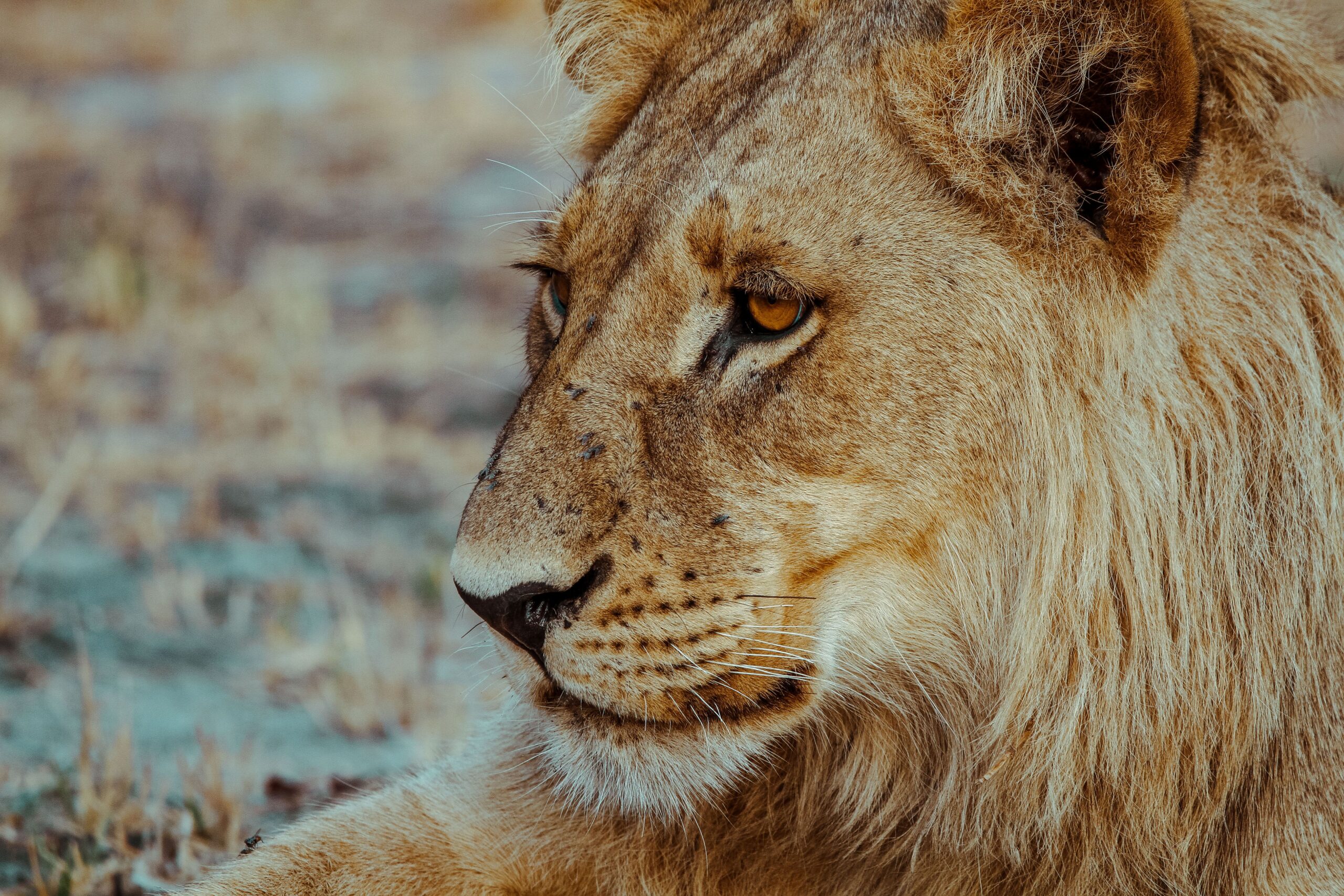 3 days / 2 nights
Nairobi – Maasai Mara National Reserve – Nairobi
Best for: Travellers short on time
View 3-day itinerary →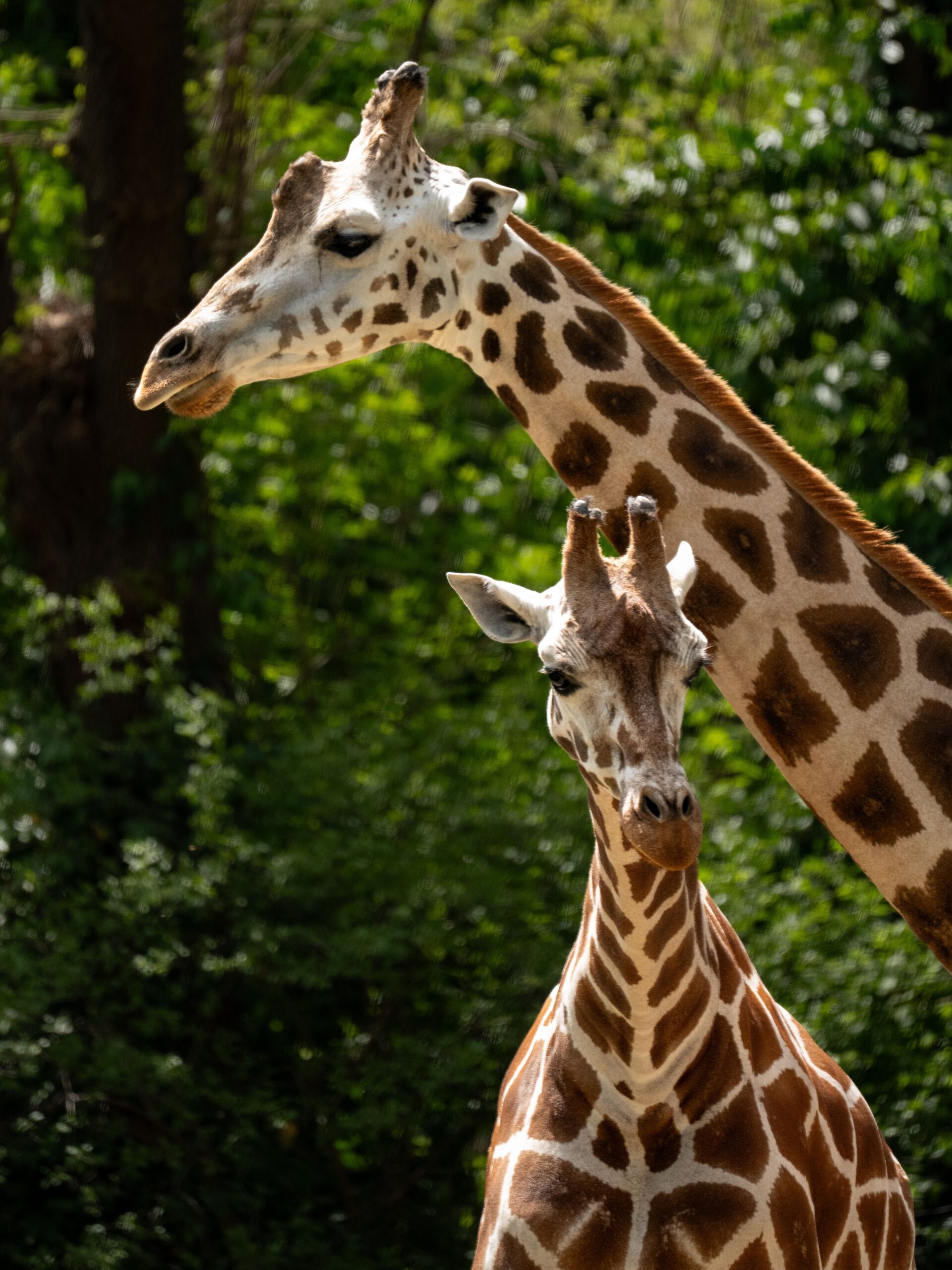 4 days / 3 nights
Nairobi – Maasai Mara National Reserve – Nairobi
Best for: First-time safari visitors
View 4-day itinerary →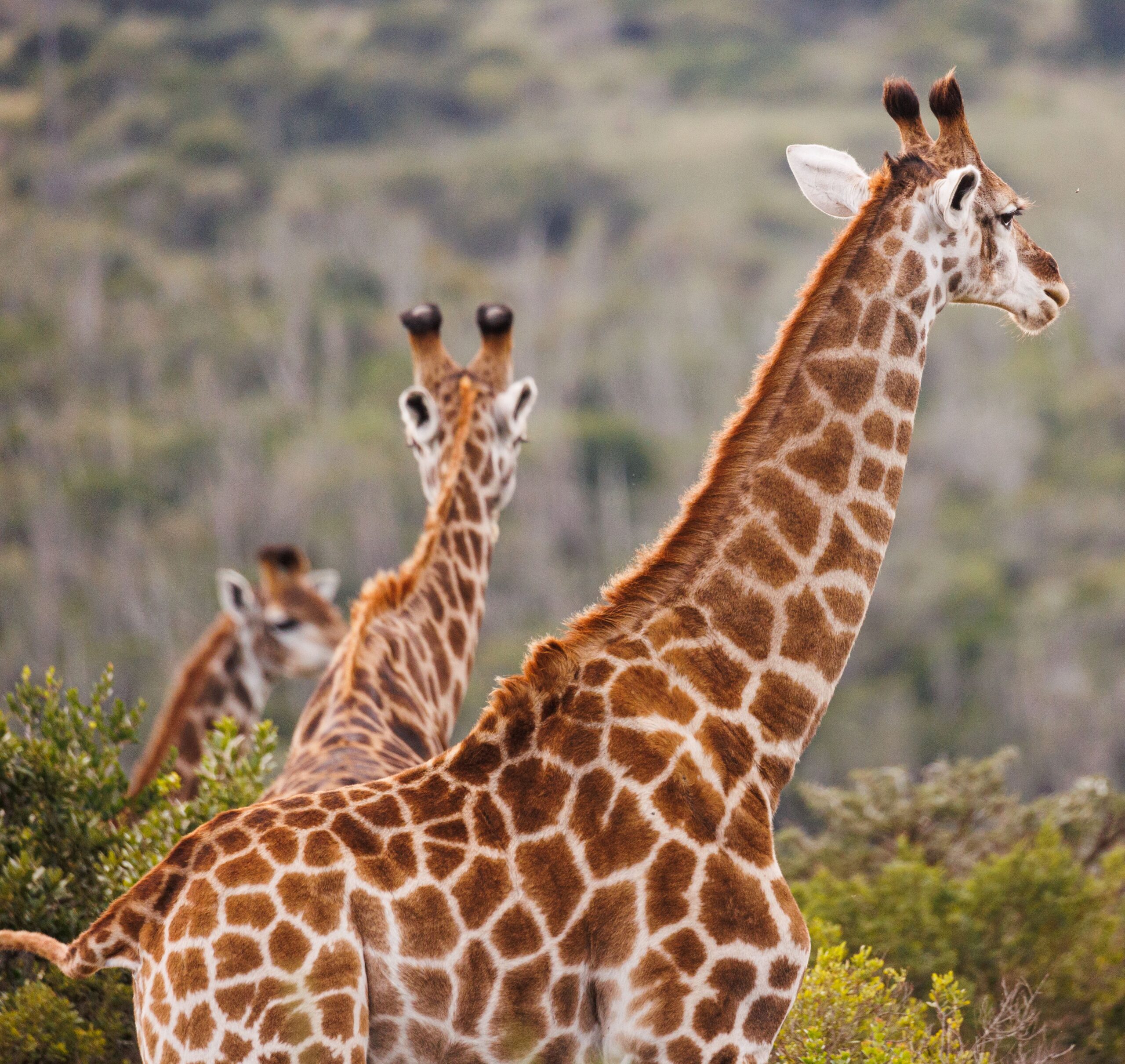 5 days / 4 nights
Nairobi – Mara conservancy (fly-in) – Nairobi
Best for: Couples, photographers, repeat visitors
View 5-day itinerary →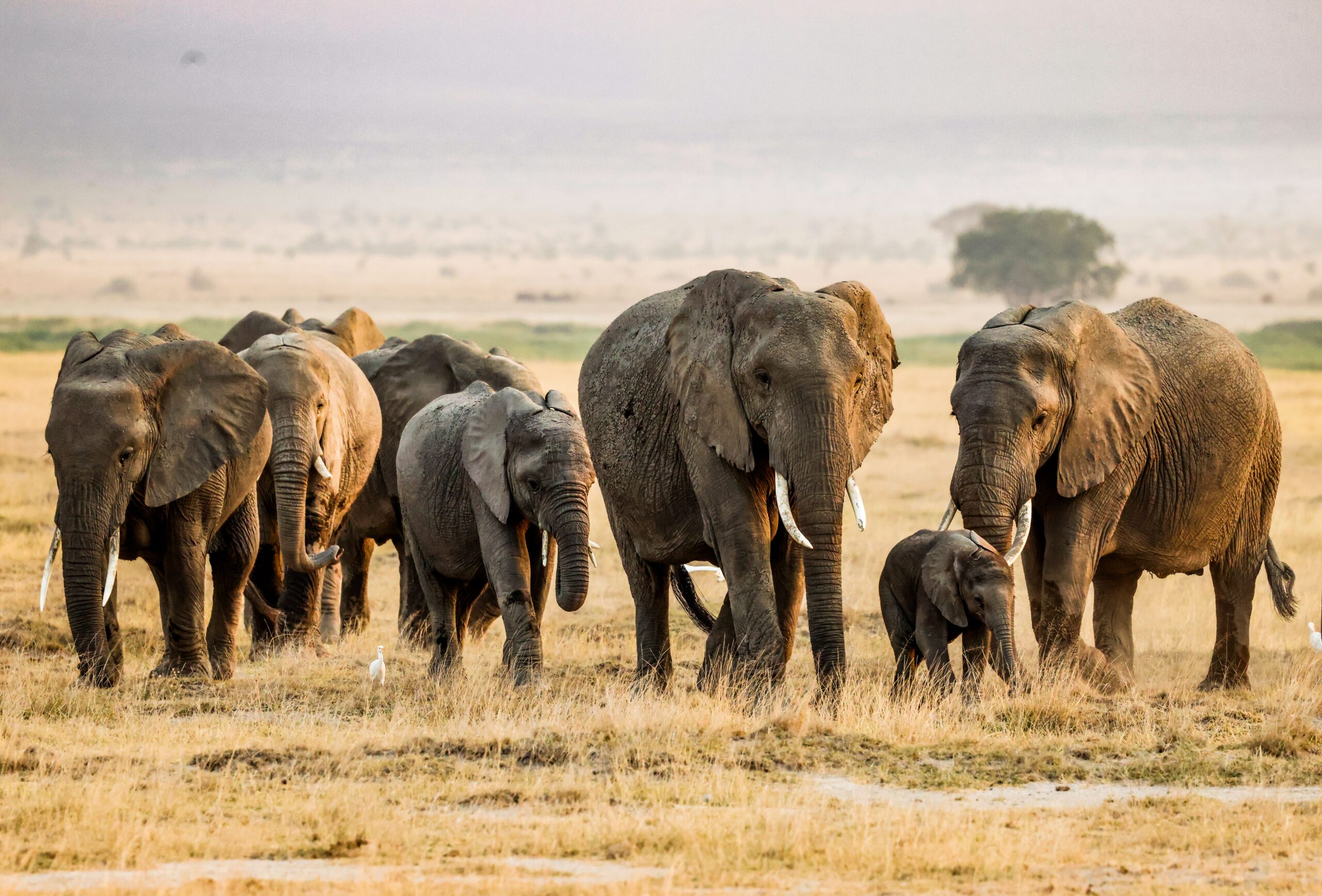 6 days / 5 nights
Nairobi – Maasai Mara Reserve – Mara conservancy – Nairobi
Best for: Migration-season travellers
View 6-day itinerary →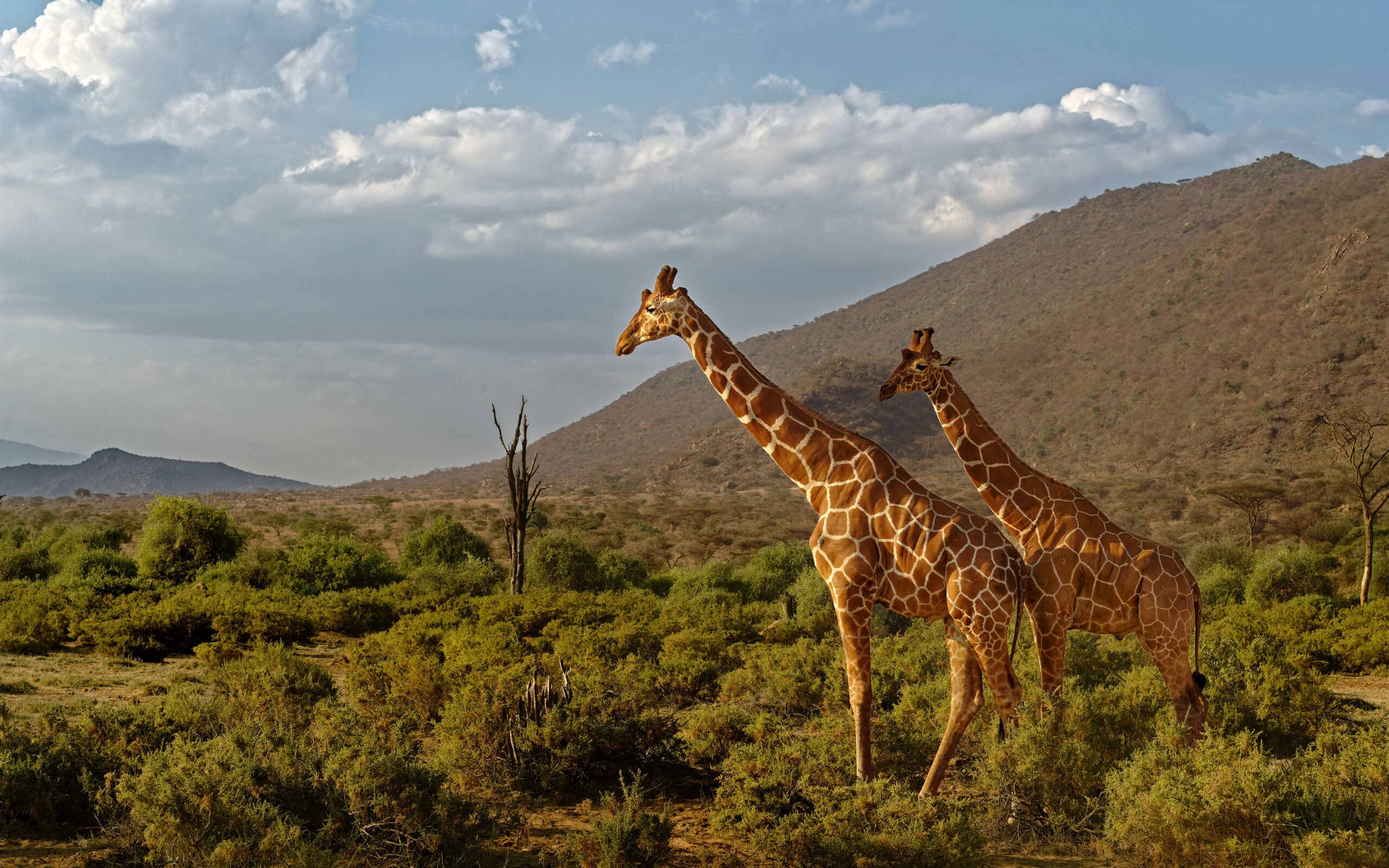 7 days / 6 nights
Nairobi – Lake Naivasha – Maasai Mara – Nairobi
Best for: Families and road-safari travellers
View 7-day itinerary →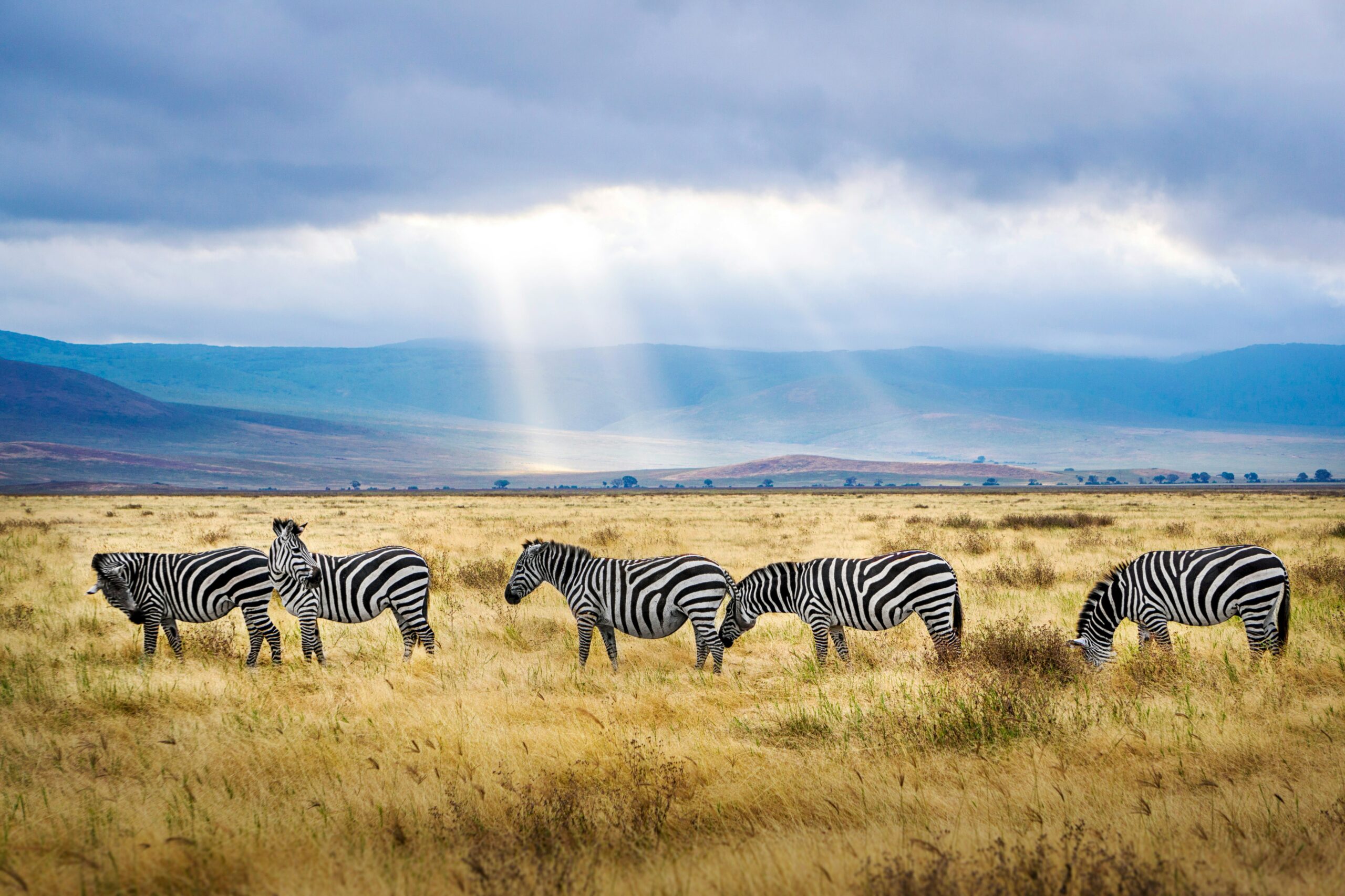 8 days / 7 nights
Nairobi – Lake Nakuru – Maasai Mara – Nairobi
Best for: Travellers hoping to see rhino
View 8-day itinerary →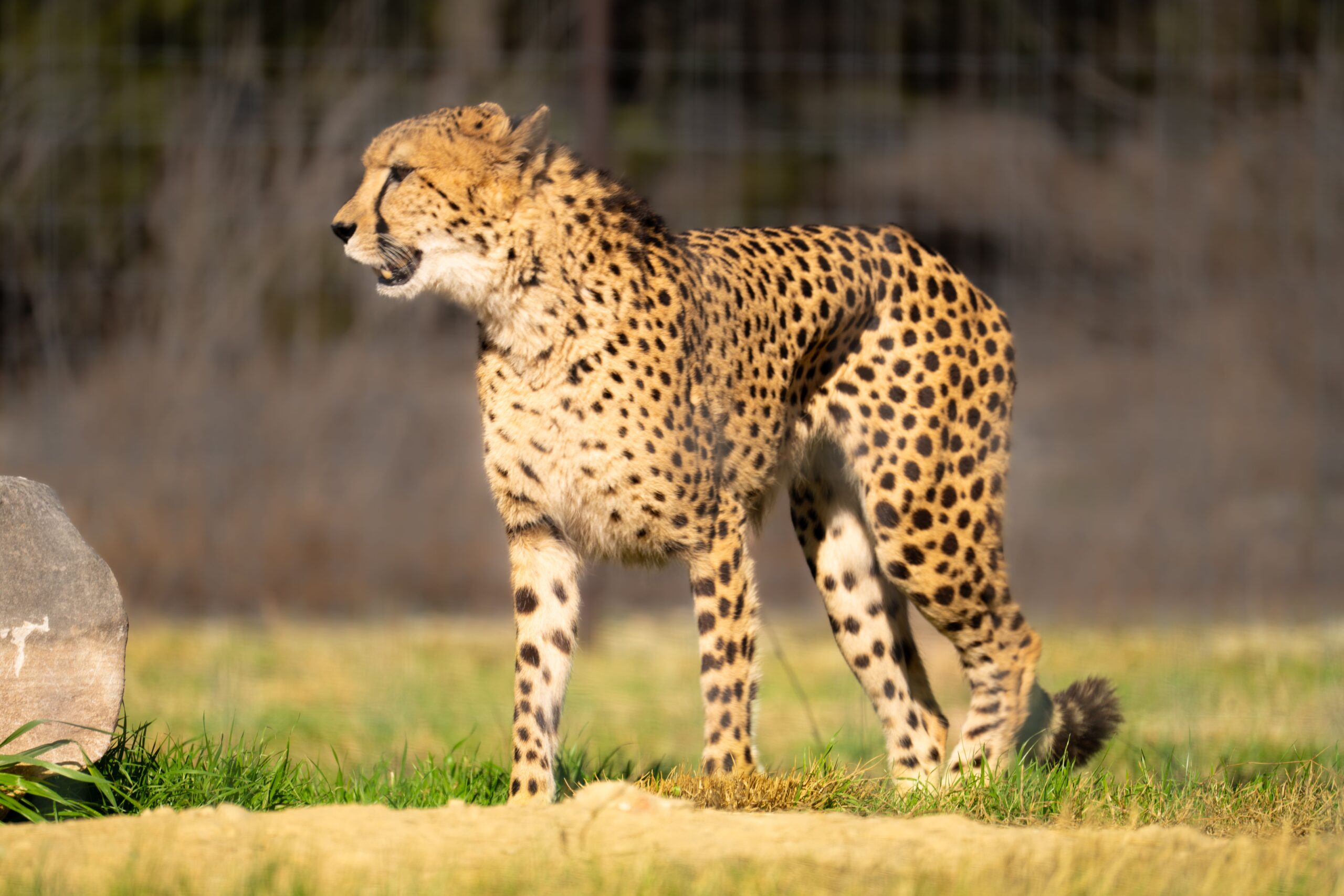 9 days / 8 nights
Nairobi – Ol Pejeta – Maasai Mara – Nairobi
Best for: Wildlife and conservation enthusiasts
View 9-day itinerary →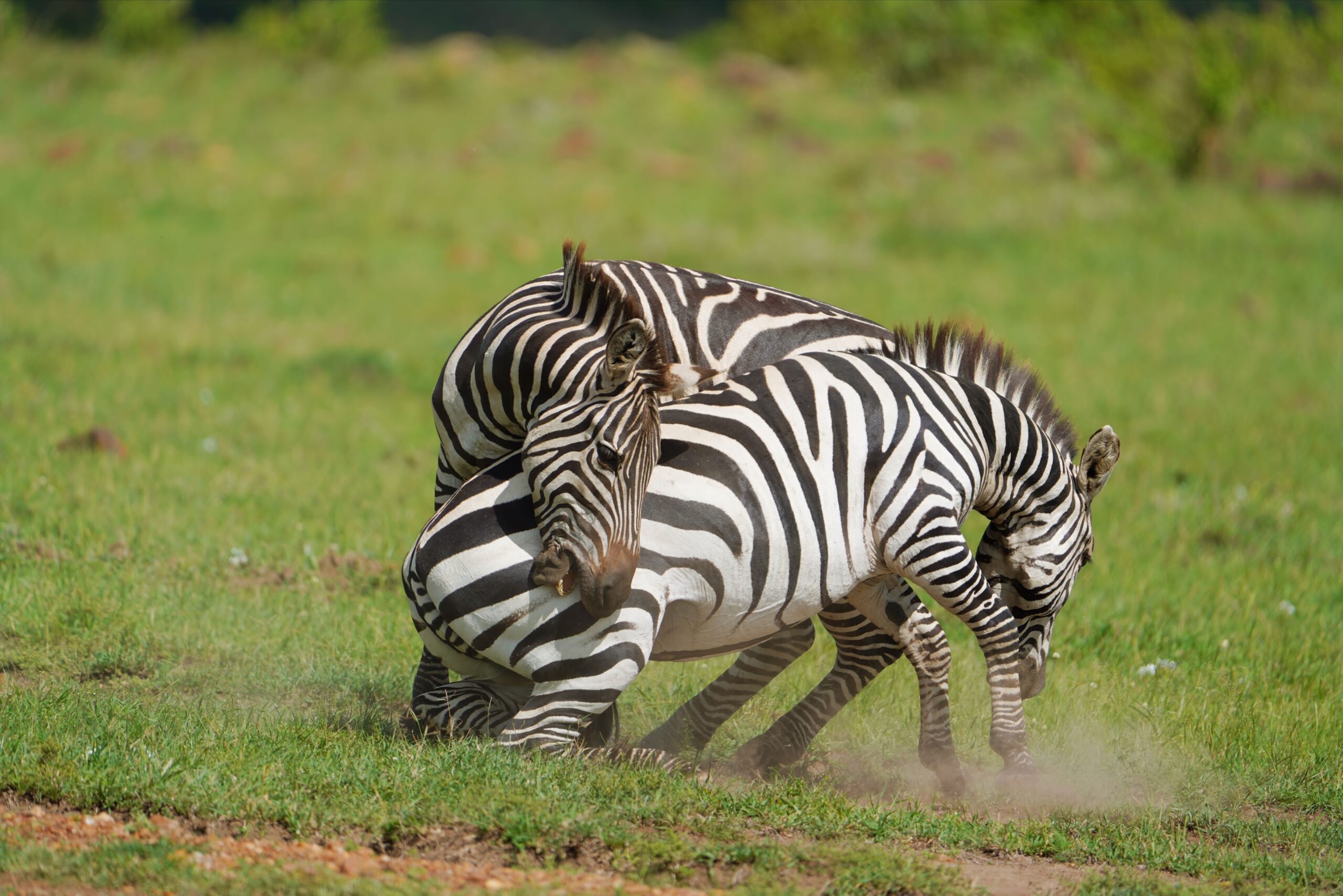 10 days / 9 nights
Nairobi – Amboseli – Maasai Mara – Nairobi
Best for: First-time visitors wanting Kenya’s highlights
View 10-day itinerary →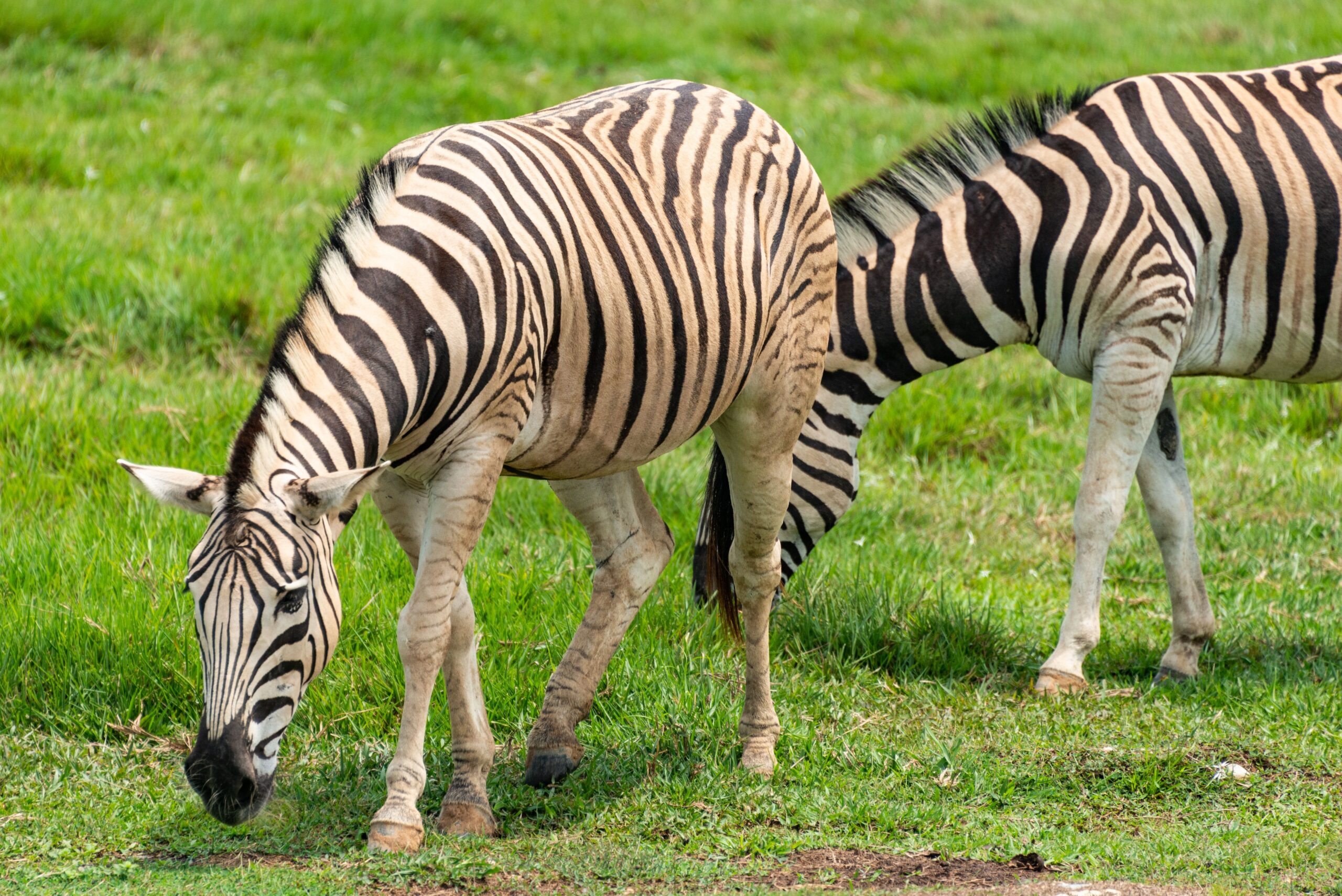 11 days / 10 nights
Nairobi – Samburu – Ol Pejeta – Maasai Mara – Nairobi
Best for: Experienced travellers and keen wildlife watchers
View 11-day itinerary →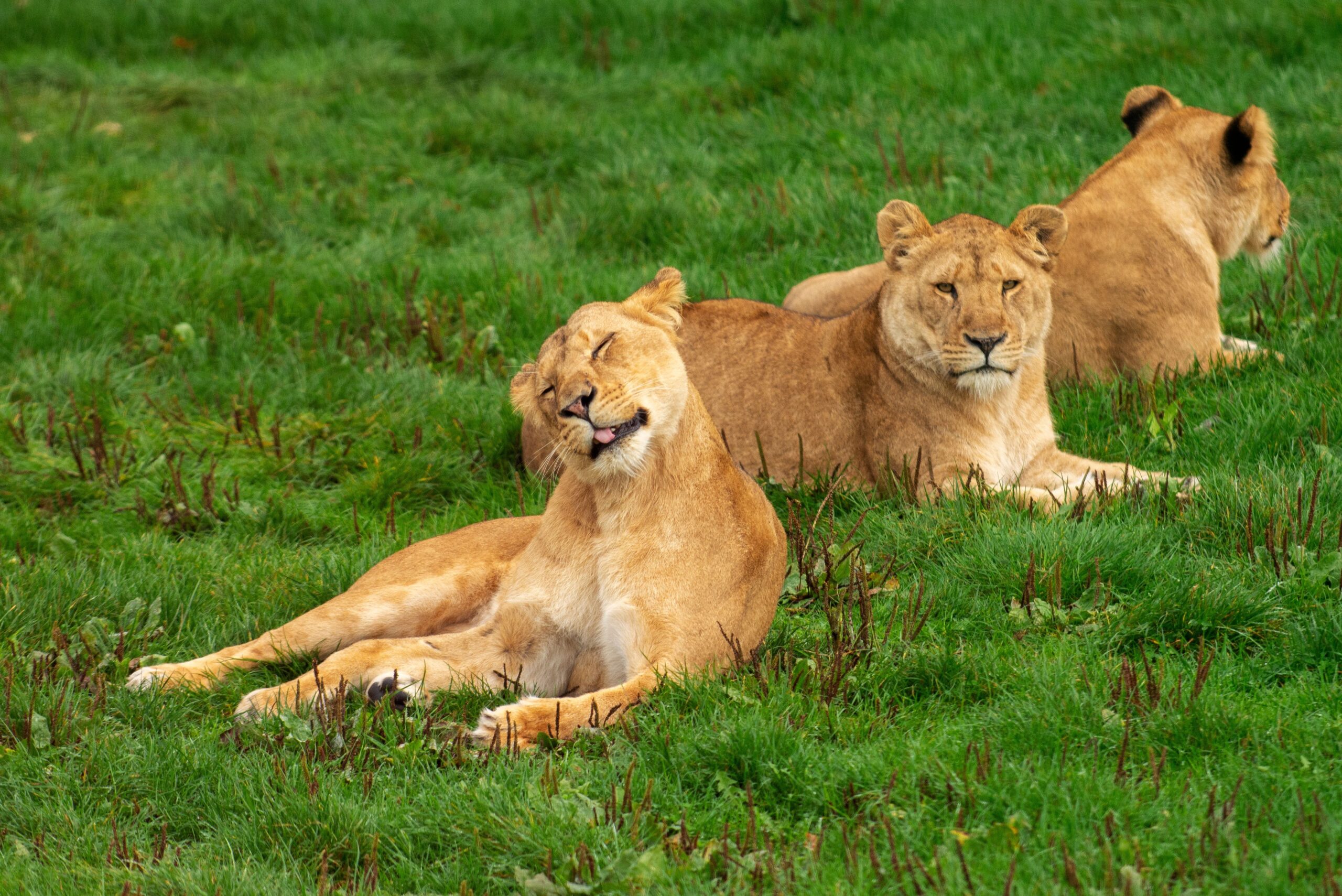 12 days / 11 nights
Nairobi – Maasai Mara Reserve – Mara conservancy – Diani Beach
Best for: Honeymooners and families wanting bush and beach
View 12-day itinerary →None of these quite fits? Tell us your dates, group size and interests, and we will adapt one for you.
Three to four nights is the sweet spot for most first visits. That gives you at least two full days in the Mara. Two nights works, but you get only one full day.
Yes, if your time is limited, though flying in makes a big difference. By road, about 10–12 hours of the trip are spent driving.
It depends on your priorities. July–October is best for the migration but busiest. January–March is quieter, with strong predator viewing. April–May is wet and cheapest.
Usually from around July to October, though the arrival and departure dates shift each year with the rains.
No. The herds are likely to be in the Mara during peak months, but crossings are unpredictable.
Costs depend on nights, season, camp category, group size and transport. Reserve fees alone are USD 100–200 per adult per day in 2026. Ask us for a quotation for your dates.
Usually accommodation, meals, a private vehicle with driver, game drives, park or conservancy fees and the stated transfers. Balloon flights, tips, drinks, insurance and international flights are usually extra.
By road in about 5–6 hours, or by scheduled flight from Wilson Airport in about 40–75 minutes.
Fly on short trips or in the rains. Drive if you are combining lakes en route, travelling as a group or keeping costs down.
The reserve is open to all visitors, with daytime drives on established tracks and the closest access to the river. Conservancies limit vehicles, allow night drives and walks, and are reserved for their own camp guests.
Lion, leopard, cheetah, elephant, buffalo, hippo, giraffe, hyena, large herds of plains game and hundreds of bird species. Rhinos are rare.
Yes. Use a private vehicle, choose family-friendly camps and check age rules for each activity.
Yes, from launch sites in the reserve area. Published prices are roughly USD 450–635 per person. Minimum age and height rules apply.
Location, guest numbers, service, inclusions and privacy. Both can give excellent wildlife viewing.
Yes. Lake Naivasha, Lake Nakuru, Amboseli, Laikipia, Samburu and the coast all combine well. See the 7–12 day itineraries.
Yes, but they are in different countries. There is no open border crossing inside the parks, so most trips connect by flights. Each country has its own entry requirements. Ask us about Kenya and Tanzania combinations.
Usually yes, in our quotations. Each fee is itemised so you can see what applies to your dates.
Layers for cold early mornings, neutral-coloured clothing, a hat, sunscreen, binoculars and a soft bag if you are flying. Add a rain jacket from April to May and in November.
Share your travel dates, number of travellers, preferred trip length, accommodation level, starting point and interests. We will send a tailored itinerary with a fully itemised quotation.