
1 Day Nairobi National Park Safari
Nairobi – Nairobi National Park – Nairobi
Best for: Layovers, arrival days and short stopovers
View 1-day itinerary →Nairobi is where most Kenya safaris begin. With a few hours, you can take a game drive in Nairobi National Park on the edge of the city. With a few days, you can reach Amboseli, Lake Nakuru or the Maasai Mara. With a week or two, you can combine several parks, travel north to Samburu and Laikipia, or finish on the Indian Ocean coast. Our itineraries run from one day to 14 days. Which destinations make sense depends on how long you have, whether you prefer to drive or fly, and where you need to finish your trip. We plan routes so that more of your time goes to wildlife and less to unnecessary hours on the road.
Trip length decides which parks you can include, how much of each day you spend travelling, and how relaxed or full the pace feels. Short safaris work best with one destination. From five days you can combine parks along sensible routes, and from eight days you can explore different regions of Kenya, add fly-in sections or finish at the coast.
Each itinerary below is a starting point, not a fixed departure. We can adjust the route, accommodation and pace to suit your travel dates, interests, budget and arrival or departure plans. Select an itinerary to see the full day-by-day plan, accommodation options and inclusions.
 1 day
Nairobi – Nairobi National Park – Nairobi
Best for: Layovers, arrival days and short stopovers
View 1-day itinerary →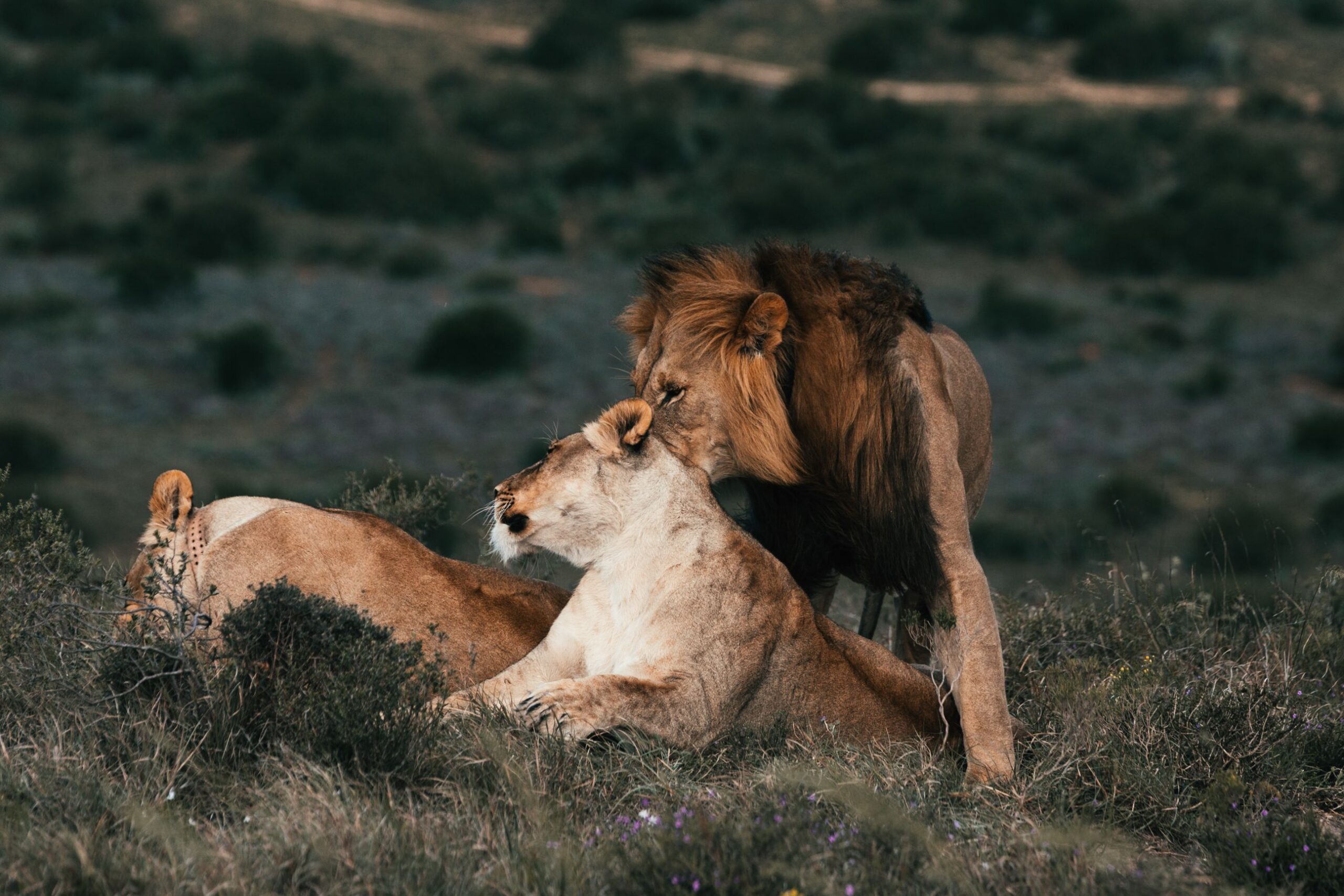 2 days / 1 night
Nairobi – Lake Nakuru – Lake Naivasha – Nairobi
Best for: Families and short Rift Valley breaks
View 2-day itinerary → 3 days / 2 nights
Nairobi – Maasai Mara National Reserve – Nairobi
Best for: Travellers short on time
View 3-day itinerary →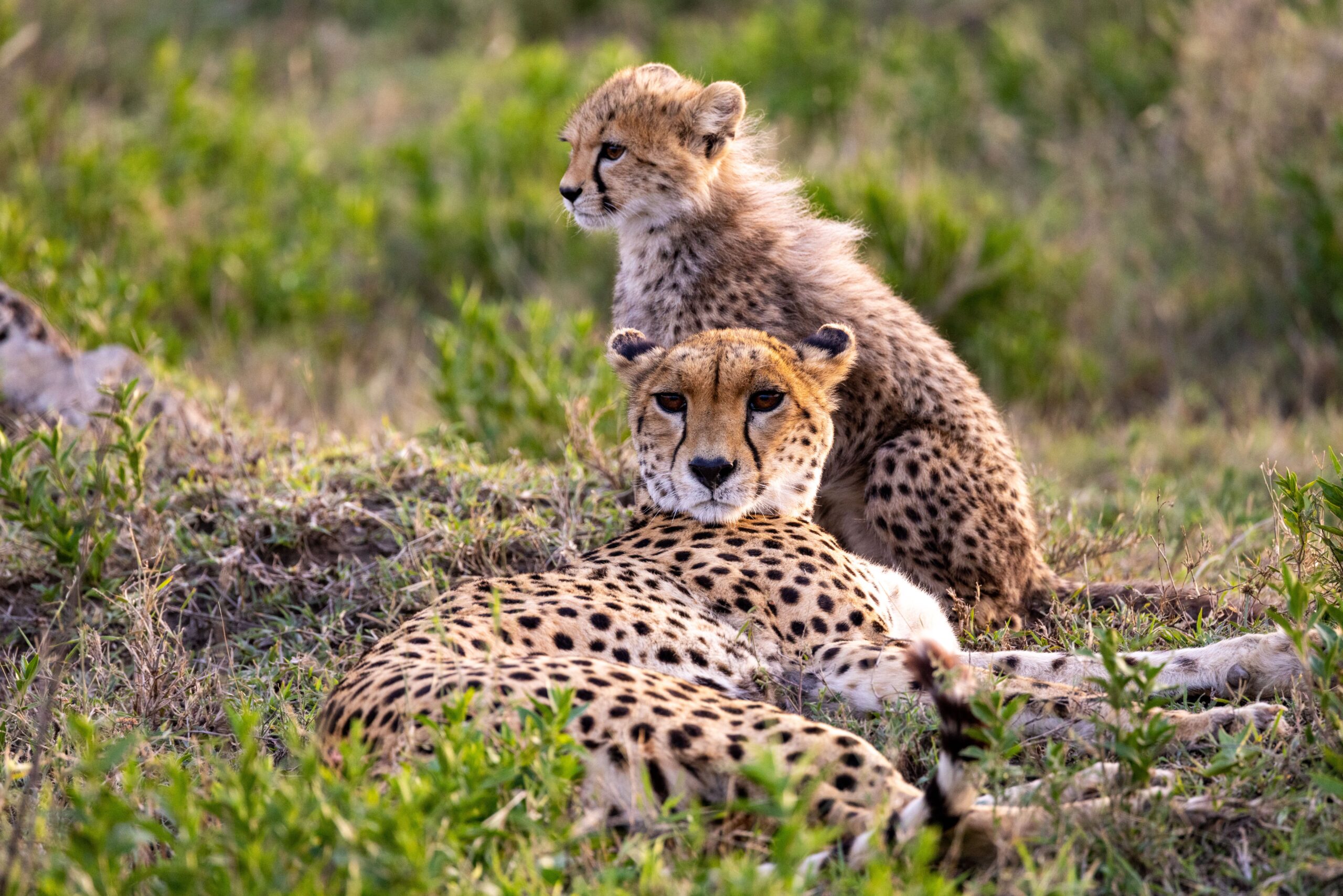 4 days / 3 nights
Nairobi – Amboseli – Tsavo West – Nairobi
Best for: Elephant lovers and photographers
View 4-day itinerary →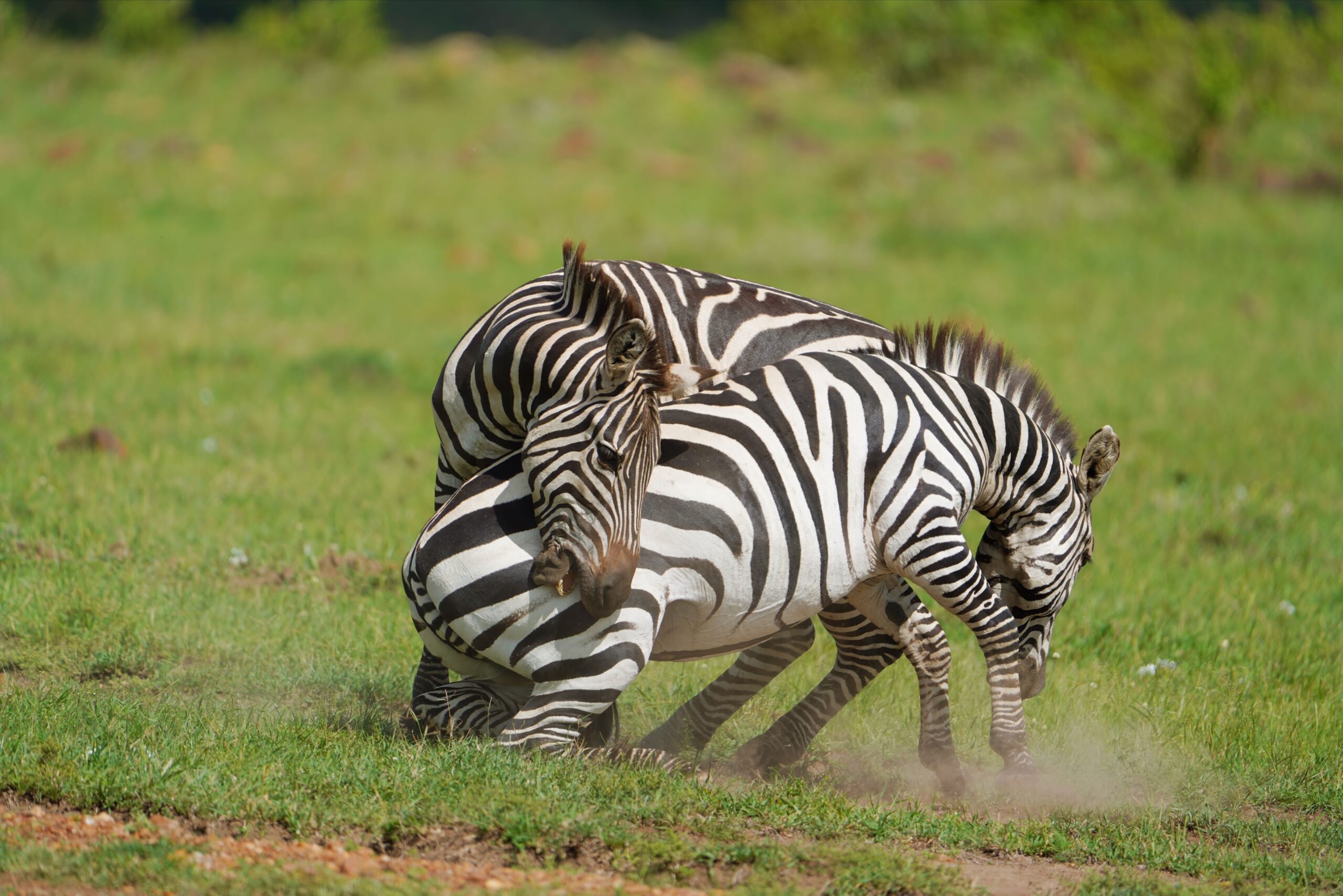 5 days / 4 nights
Nairobi – Maasai Mara – Lake Nakuru – Lake Naivasha – Nairobi
Best for: First-time safari visitors
View 5-day itinerary →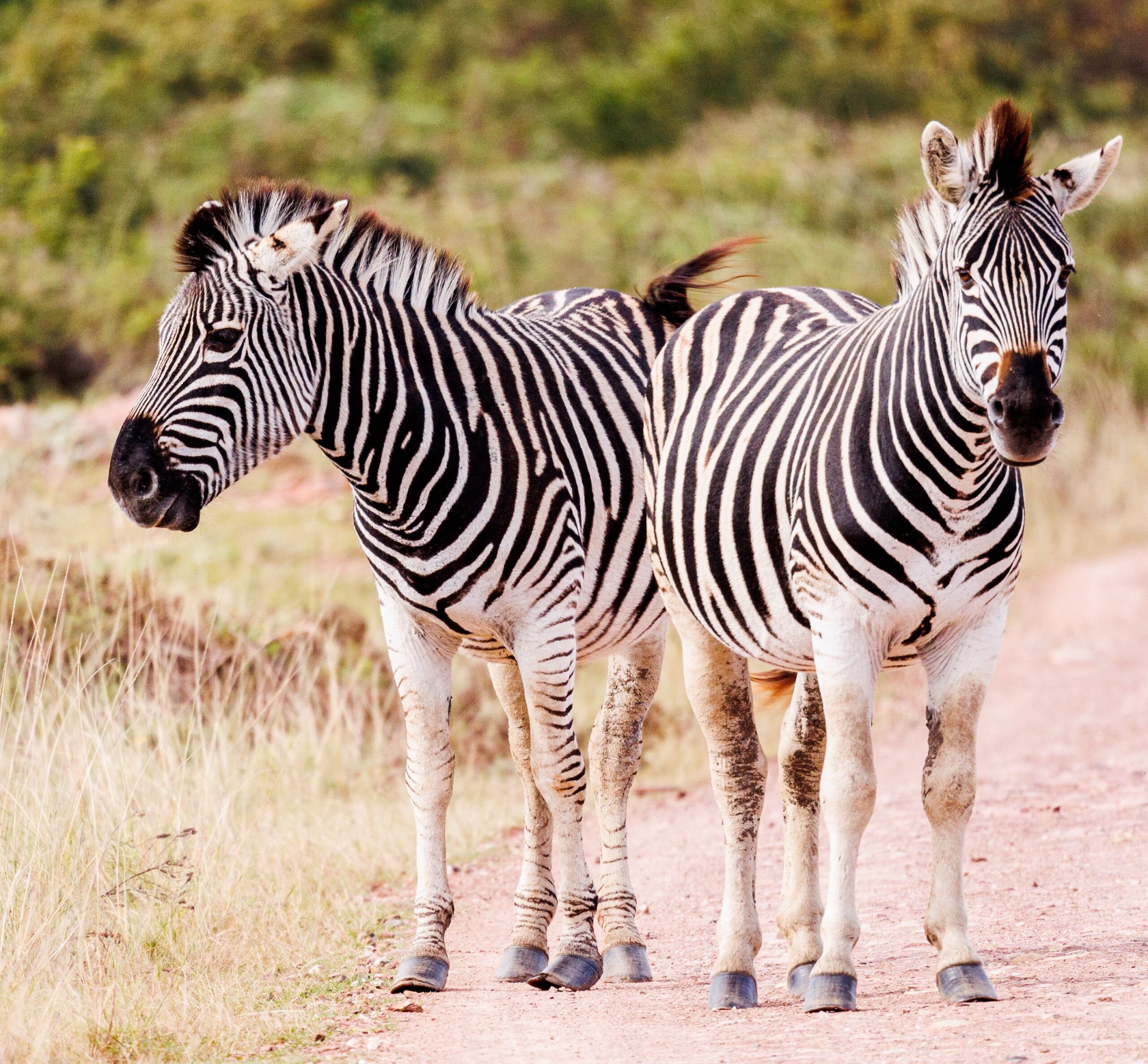 6 days / 5 nights
Nairobi – Ol Pejeta – Samburu – Nairobi
Best for: Repeat visitors seeking quiet
View 6-day itinerary → 7 days / 6 nights
Nairobi – Amboseli – Lake Naivasha – Maasai Mara – Nairobi
Best for: First-time Kenya safari travellers
View 7-day itinerary → 8 days / 7 nights
Nairobi – Samburu – Maasai Mara conservancy (fly-in) – Nairobi
Best for: Couples and comfort seekers
View 8-day itinerary →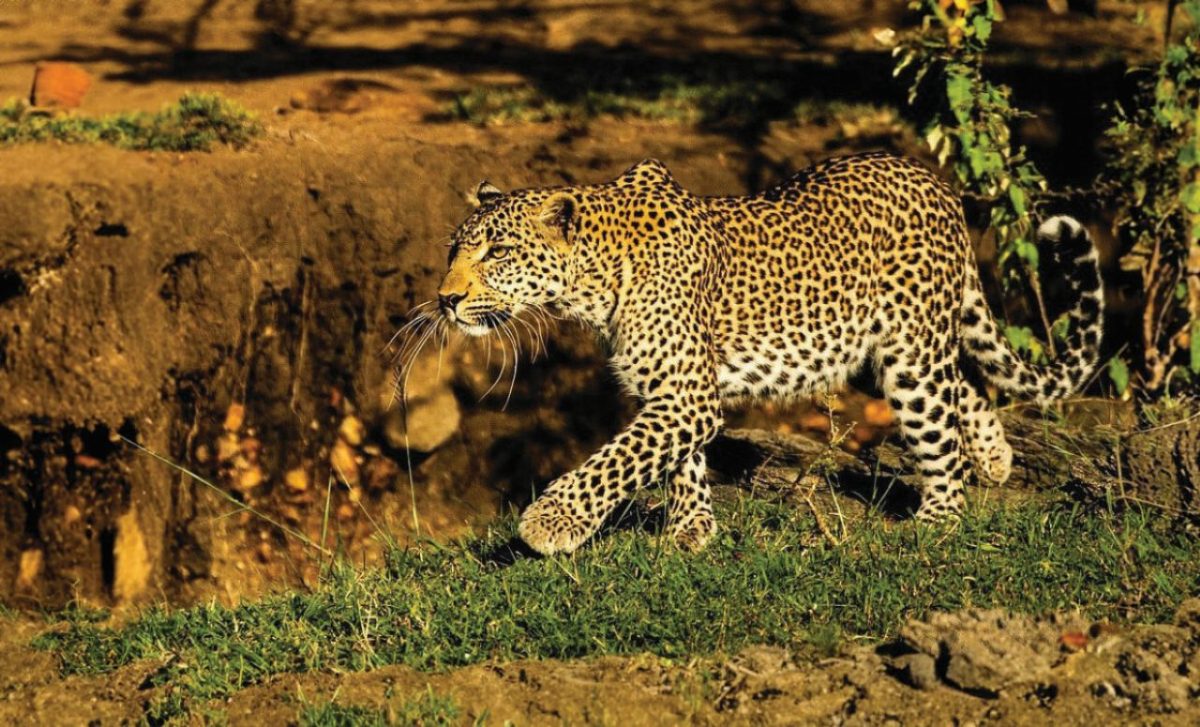 9 days / 8 nights
Nairobi – Samburu – Ol Pejeta – Lake Nakuru – Maasai Mara – Nairobi
Best for: Travellers wanting varied landscapes
View 9-day itinerary →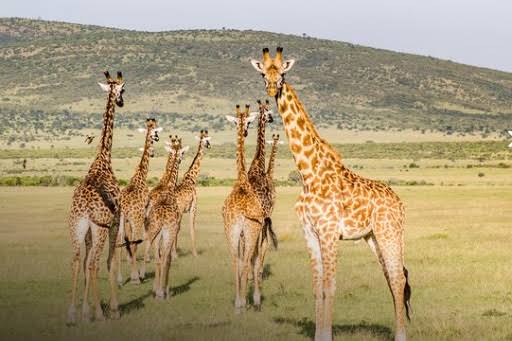 10 days / 9 nights
Nairobi – Ol Pejeta – Lake Naivasha – Maasai Mara – Nairobi
Best for: Families and multigenerational groups
View 10-day itinerary →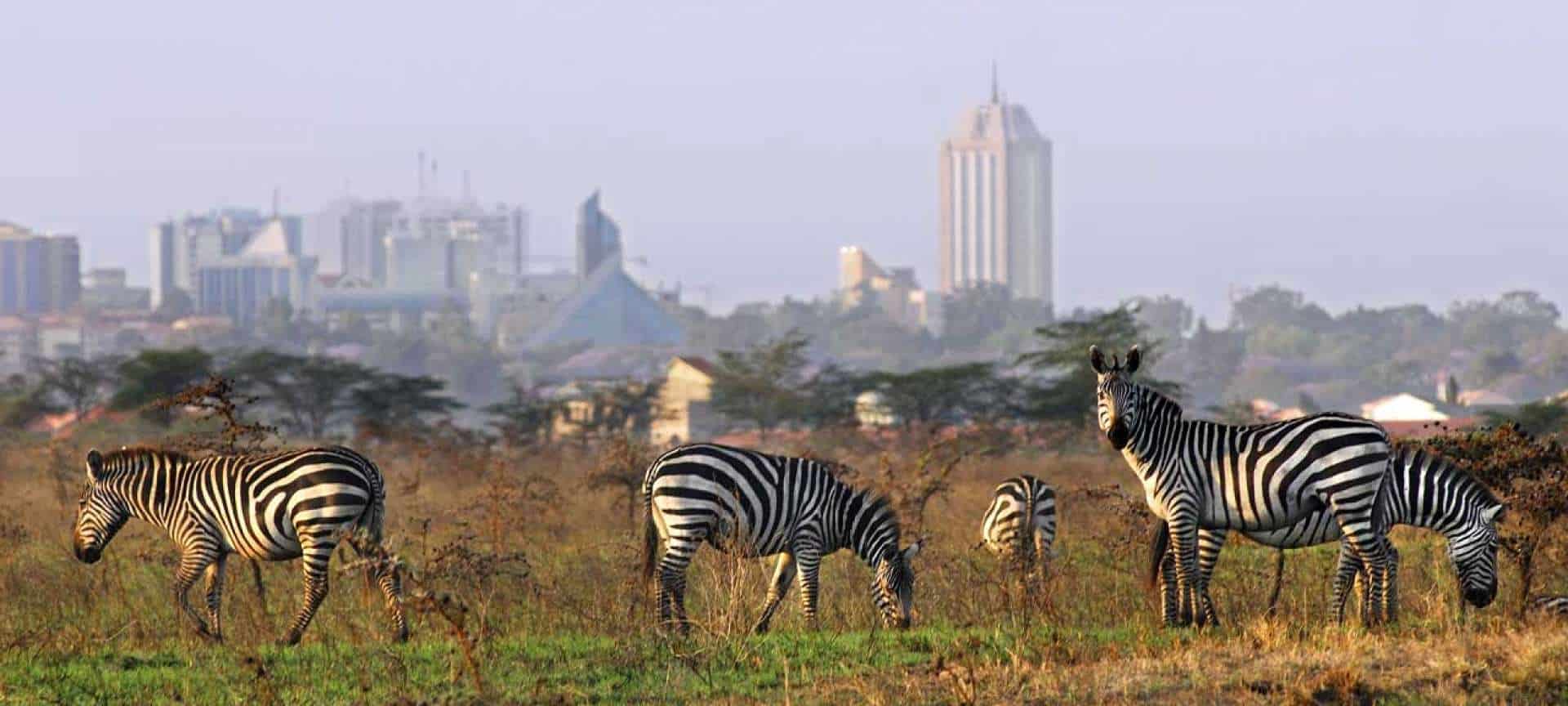 11 days / 10 nights
Nairobi – Amboseli – Tsavo West – Tsavo East – Diani or Watamu
Best for: Safari-and-beach travellers
View 11-day itinerary → 12 days / 11 nights
Nairobi – Samburu – Ol Pejeta – Lake Naivasha – Maasai Mara – Amboseli
Best for: Travellers wanting the best of Kenya
View 12-day itinerary →13 days / 12 nights
Nairobi – Amboseli – Arusha – Tarangire – Serengeti – Ngorongoro Crater
Best for: Two-country safari travellers
View 13-day itinerary →14 days / 13 nights
Nairobi – Samburu – Ol Pejeta – Lake Nakuru – Maasai Mara – Kenyan coast
Best for: Honeymooners and unhurried travellers
View 14-day itinerary →Not sure which length suits you? Tell us how many days you have and what you’d most like to see, and we’ll recommend a route that fits.
Most international visitors to Kenya arrive at Jomo Kenyatta International Airport (JKIA), and Nairobi sits roughly at the centre of the country’s main safari routes. Roads lead south-east to Amboseli and Tsavo, west through the Great Rift Valley to Lake Naivasha, Lake Nakuru and the Maasai Mara, and north to Ol Pejeta, Laikipia and Samburu. Wilson Airport, in the city, handles most light-aircraft flights to safari airstrips.
It helps to separate two very different kinds of trip.
A Nairobi National Park safari is a short excursion. The park borders the city, so a game drive can fit into a morning or afternoon, a layover, or the day before you fly home.
A multi-day Kenya safari from Nairobi takes you to parks that are several hours away by road. These need at least one overnight stay, and usually more, to be worthwhile.
The number of days you have is the deciding factor. The Maasai Mara is roughly five to six hours from Nairobi by road, so a one-night trip spends much of its time in the vehicle. Amboseli is closer but still a half-day drive. Matching destinations to your available time is the most important planning decision you will make.
You can reach most parks by road or by light aircraft. Road safaris cost less and let you see the countryside; fly-in safaris save time on longer routes. Many good itineraries combine both, for example driving out to the Mara and flying back to Nairobi.
Finally, think about where your trip needs to end. Returning to Nairobi for an evening international flight shapes the last day differently from finishing at the coast or continuing into Tanzania. Share your arrival and departure plans early and we will build the route around them.
Not every park is equally convenient. The list below runs roughly from closest to farthest, with a realistic sense of what each one involves.
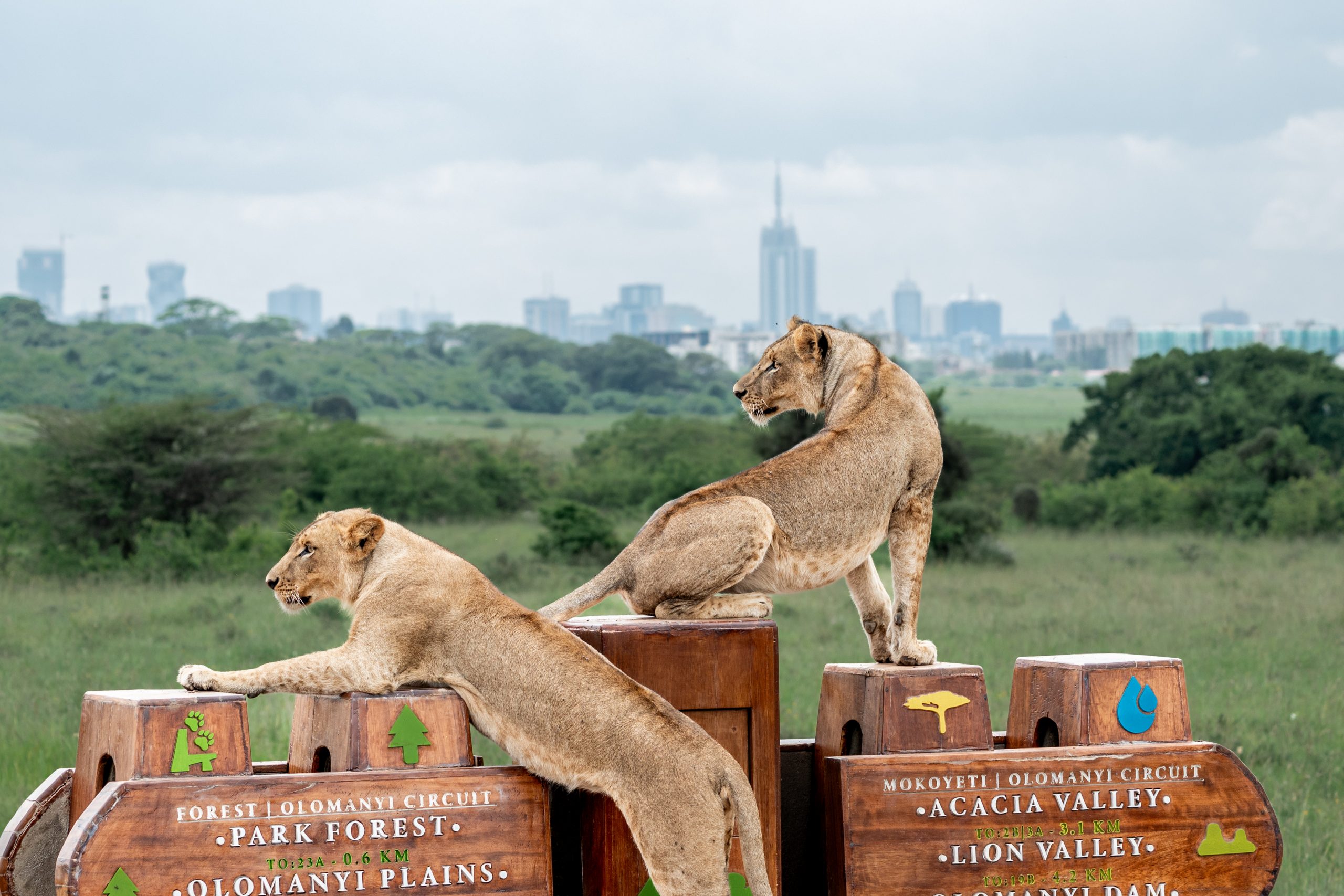
On the southern edge of the city, close to JKIA, and reached by road. Travel time depends heavily on Nairobi traffic. The park’s open grassland, with the city skyline behind it, supports rhino, lion, giraffe, zebra, buffalo, many antelope species and rich birdlife. There are no elephants in the park. It suits half-day and full-day excursions, layovers, and arrival or departure days.
Best as: a day trip.
Roughly two hours north-west of Nairobi by road, depending on traffic. Lake Naivasha offers boat trips among hippos and birdlife, while neighbouring Hell’s Gate National Park is one of the few parks where you can walk or cycle among wildlife. It also makes a useful rest stop between Nairobi and the Maasai Mara.
Best as: an overnight stay or a stopover on a longer safari.
Roughly three to four hours from Nairobi by road. A compact, fenced park known for both black and white rhino, Rothschild’s giraffe and lakeshore birdlife. Flamingo numbers rise and fall with water levels and cannot be promised. It fits well into short safaris and as a stop on Mara or northern Kenya routes.
Best as: an overnight stay or part of a multi-day route.
Roughly four to five hours south-east of Nairobi by road, with flights also available. Amboseli is known for large elephant herds and, on clear days, views of Mount Kilimanjaro across the border in Tanzania. Cloud often covers the mountain, particularly later in the day. It suits 2- to 4-day safaris, photographers and first-time visitors.
Best as: at least one night; two nights is more comfortable.
Roughly three to four hours north of Nairobi via Nanyuki, near Mount Kenya, by road or air. Ol Pejeta is a private conservancy with a strong rhino population and activities that national parks may not offer, such as night drives or guided walks, depending on the camp. It works well for families and for northern Kenya routes.
Best as: one to three nights.
Roughly five to six hours by road, with the final stretch often rough and bumpy. Scheduled flights from Wilson Airport take about an hour. The Mara is Kenya’s best-known reserve, with big cats, large herds and, in season, the wildebeest migration. The surrounding private conservancies limit vehicle numbers and usually allow activities not permitted in the main reserve.
Best as: two nights minimum, ideally three or more.
Roughly five to six hours north of Nairobi by road, and also served by flights. Samburu’s dry landscapes along the Ewaso Ng’iro River are home to species rarely seen farther south, including Grevy’s zebra, reticulated giraffe, Somali ostrich, gerenuk and beisa oryx. It suits second-time visitors and longer safaris.
Best as: two to three nights.
Together, Kenya’s largest protected area. Tsavo West is roughly five to six hours by road from Nairobi, with volcanic landscapes and Mzima Springs. Tsavo East, with its open plains and red-dusted elephants, lies along the Nairobi–Mombasa highway and can also be reached by the Madaraka Express train to Voi, subject to timetable and luggage rules. Both are closer to the coast than to Nairobi and see fewer vehicles than the Mara.
Best as: two nights or more, often combined with Amboseli or a beach stay. Not a day trip from Nairobi.
If you only have one day, Nairobi National Park is the practical wildlife option. It is the only national park where you can drive in, spend several hours on game drives and be back at your hotel or the airport the same day without spending most of it on the road.
Morning game drives are usually the most rewarding, as animals are more active in the cooler hours. Rhino and lion live in the park, along with giraffe, buffalo, zebra, many antelope species and a wide variety of birds. As with any wild area, sightings are never guaranteed.
A half-day game drive, around four to five hours including transfers, suits most travellers and fits around flights. A full day allows a slower drive, a picnic stop or a visit to a nearby wildlife centre.
The Sheldrick Wildlife Trust elephant orphanage and the Giraffe Centre are close to the park. Visiting hours and booking requirements are set by each organisation and can change, so we confirm them before adding either to your day.
Park gates open early in the morning, and Nairobi traffic can add significant time, particularly during weekday rush hours. We set pickup times based on your hotel location and the time of day.
We can collect you from a Nairobi hotel or meet you at JKIA. If you plan a game drive on a layover or departure day, we leave a comfortable margin between the end of the drive and your check-in time.
Amboseli, Lake Nakuru and the Maasai Mara are all three to six hours away by road. A same-day return to any of them means very early starts, late returns and little time in the park. If one of these is your priority, a 2- or 3-day safari gives you far better value.
Driving makes sense for short safaris to Amboseli, Lake Nakuru or Naivasha, for family trips on a budget, and for routes where parks are three to five hours apart.
Flying is worth considering for Mara trips of three days or fewer, luxury itineraries, long circuits linking northern Kenya with the Mara and the south, and any day when you need to be back in Nairobi for an international flight.
Many itineraries work best as a mix, such as driving out through the Rift Valley and flying back.
There is no single best month. It depends on where you want to go and what matters most to you.
Roughly late June to October, and January to February. Vegetation thins, animals gather near water and game viewing is generally easier. These are also the busiest and usually the most expensive periods.
The long rains, roughly April to May, and the short rains, roughly November. Landscapes turn green, many lodges offer lower rates and there are fewer vehicles. Some roads and tracks become muddy, and a few camps close during the long rains. Rain often falls in afternoon storms rather than all day.
Large herds typically move into the Maasai Mara from Tanzania’s Serengeti from around July and remain into September or October. Timing varies every year with rainfall, and river crossings are unpredictable. Plan around the general season rather than a specific event.
Migrant birds are present from roughly November to April, a rewarding period for birders.
Some parks and reserves charge different fees at different times of year. The Maasai Mara, for example, charges higher entry fees in the second half of the year.
No season guarantees particular sightings. Wildlife is wild, and every safari is different.
Safari prices vary widely, so we prepare a tailored quotation rather than quote a single headline figure. These are the main factors that shape the price:
When comparing quotes, ask any operator, including us, to show park fees clearly. Our quotations set out what is included and excluded so you can compare like for like.
Comfortable rooms or tents with private bathrooms, set meal times and shared lounges. A good balance of comfort and value.
Fewer rooms, more space, higher standards of food and service, and often private conservancy locations with more activity options.
Some camps offer family tents or connecting rooms, and some set minimum ages for certain activities. We check each property’s policies for your group.
Accommodation may be inside a park or reserve, giving you more game-viewing time; just outside it, often at better value; or in a neighbouring conservancy, with fewer vehicles and more activities. In Nairobi, we can arrange a hotel for your arrival and departure nights.
The right choice depends on your destination, budget, travel dates and availability. We recommend specific properties when we prepare your itinerary.
Safaris usually begin with a morning pickup from your Nairobi hotel or another agreed location in the city.
We can meet you at Jomo Kenyatta International Airport. Allow time for immigration, baggage collection and traffic, all of which vary from day to day.
A same-day start is only realistic if you land early in the morning and the first drive is short. For most arrivals, especially after overnight long-haul flights or afternoon landings, we recommend one night in Nairobi first. You start the safari rested, and a delayed flight won’t cost you your first day in the park.
Most safari flights leave from Wilson Airport, not JKIA. We arrange the transfer between the two and allow for traffic.
Your safari can end at your Nairobi hotel, at JKIA for an onward flight, at the coast in Diani, Mombasa or Watamu, or in Tanzania on some routes. If you fly home the same day, we plan a realistic arrival time with a comfortable margin.
Every itinerary is quoted individually, so inclusions vary.
Your final quotation and itinerary set out exactly what is and isn’t included.
Routes with three- to four-hour legs, such as Ol Pejeta, Lake Naivasha and Lake Nakuru, are easier on children and older travellers than back-to-back long transfers. Flying one leg can make a big difference.
Early starts with a midday rest work well for families. Boat trips on Lake Naivasha or a camp with a pool help break up the safari.
Family tents, connecting rooms, fenced grounds and flexible meal times vary from property to property.
Tell us your group size and luggage so we can provide a vehicle with enough space. A private vehicle also lets you set your own pace.
Some camps and activities, such as walking safaris and hot-air balloon flights, have minimum ages.
Let us know about dietary requirements, medical needs or mobility concerns when you enquire, so we can confirm them with each lodge.
It depends on your time. With one day, choose Nairobi National Park. With two to four days, a focused trip to the Maasai Mara, Amboseli or Lake Nakuru works well. With a week or more, combinations such as the Mara with Lake Nakuru, Amboseli with Tsavo, or Samburu with Ol Pejeta give a broader picture of Kenya.
Yes. Nairobi National Park is the practical choice, with half-day and full-day game drives. Amboseli or the Mara are possible in a day only with very long drives and little time in the park, so we recommend at least one night there.
Nairobi National Park borders the city and is close to JKIA. After that, Lake Naivasha and Hell’s Gate are roughly two hours away, and Lake Nakuru roughly three to four hours.
Three days is a sensible minimum for one major park such as the Mara. Five to seven days lets you combine two or three parks without rushing. Ten days or more gives you time for different regions or a beach extension.
Yes, by road in roughly five to six hours, or by light aircraft from Wilson Airport in about an hour. By road, three days and two nights is the practical minimum.
Yes. The drive takes roughly four to five hours. Two days works, but three days gives you at least one full day in the park and a better chance of clear Kilimanjaro views.
Yes. Most parks can be reached either way. Road safaris cost less, while flights save time on longer routes. Many itineraries combine both.
It depends on trip length, group size, accommodation level, park fees, transport and season. Share your dates and preferences and we will prepare a detailed quotation.
Yes, we can meet you at JKIA. If you land early and the first drive is short, a same-day start may work. Otherwise we recommend a night in Nairobi before setting off.
For peak periods, roughly July to October and the December holidays, booking well ahead is advisable as popular camps fill up. Booking in advance also lets us plan around your flights.
Yes. We offer private safaris with your own vehicle and guide, so you set the pace and focus on the wildlife that interests you most.
The dry months, roughly late June to October and January to February, offer the easiest game viewing, and July to October is the usual migration season in the Mara. The green seasons bring lower rates and fewer visitors.
Yes. Amboseli and Tsavo lead naturally towards Mombasa and Diani by road, and flights connect Nairobi and the Mara with coastal airports.
Neutral-coloured layers, a warm fleece for cool mornings and evenings, a hat, sunscreen, insect repellent, binoculars, a camera with spare batteries, personal medication and comfortable closed shoes. For fly-in safaris, use a soft bag within the airline’s weight limit.
Yes. We adjust accommodation level, trip length, transport and the mix of parks to fit your budget, and explain the trade-offs so you can decide what matters most.
Yes, especially if you have limited time or want to see rhino. It is a genuine wildlife experience, though it is smaller than the major reserves and has no elephants.
Yes, on longer trips. The most practical crossing for Nairobi departures is at Namanga, near Amboseli, leading to Arusha and the northern Tanzania parks. You will need the correct entry documents for both countries.
Almost certainly. Everyone flying into Jomo Kenyatta International Airport, infants included, needs an approved Kenya eTA unless their nationality is exempt. The standard eTA costs about USD 30 and is requested on the official government portal, normally with a decision within a few days. East African Community citizens and some African nationalities are exempt.
Tell us a little about your trip and we’ll suggest a realistic itinerary:
These details help us recommend parks that fit your time, decide whether flying a leg is worthwhile, and plan the start and finish of your trip without rushing.
We use cookies to keep this website working and to understand how it is used. By continuing to browse, you agree to our use of cookies. Read our Privacy Policy.