
3 Days Tarangire and Ngorongoro Crater Safari
Arusha – Tarangire – Ngorongoro Crater – Arusha
Best for: Travellers with very limited time
View 3-day itinerary →Tanzania has several safari regions. The best package depends on your days, your season and your budget.
Choose a short northern circuit trip, a full loop through the Serengeti and Ngorongoro, or a longer route with the south or Zanzibar. We plan each one around real drive times and flights, so you spend more of the trip watching wildlife.
Tanzania trips are usually built on a circuit: north (Tarangire, Manyara, Ngorongoro, Serengeti) or south (Nyerere, Ruaha). Each package below follows one of these, and can be reshaped for your dates, camps and pace. Open one for the day-by-day plan and inclusions.
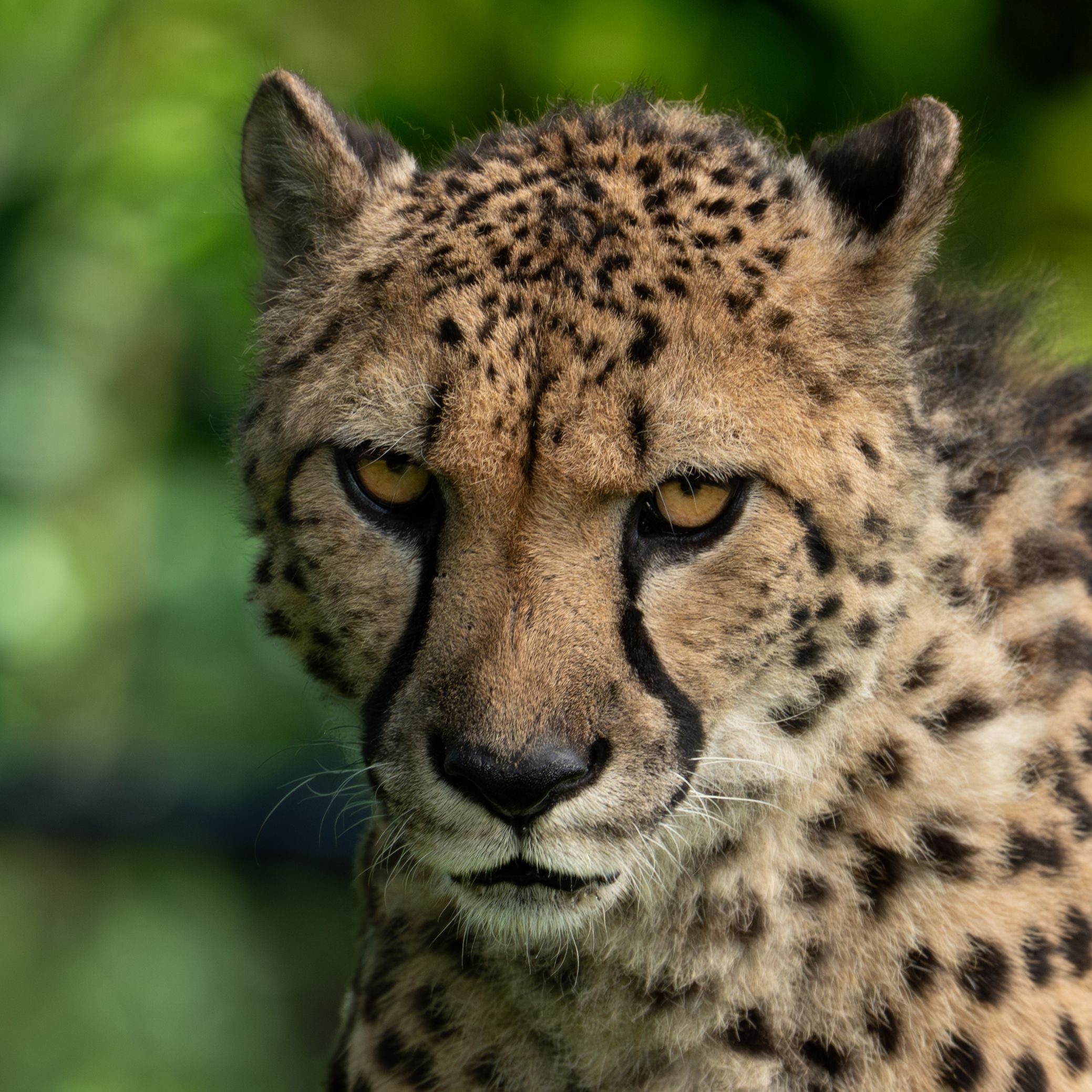 3 days / 2 nights
Arusha – Tarangire – Ngorongoro Crater – Arusha
Best for: Travellers with very limited time
View 3-day itinerary →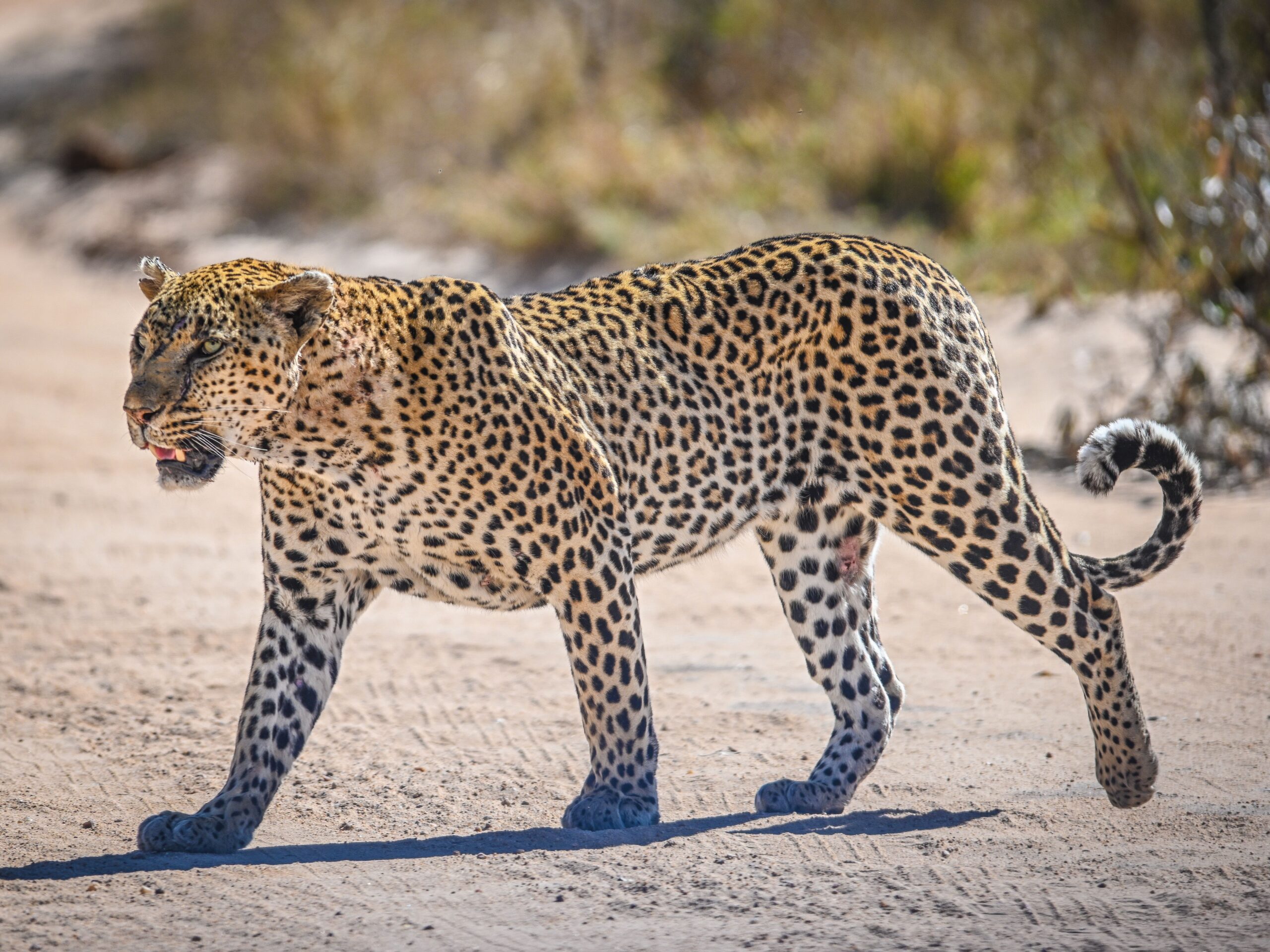 4 days / 3 nights
Arusha – Serengeti (fly) – Arusha
Best for: Travellers who want the Serengeti and little road time
View 4-day itinerary →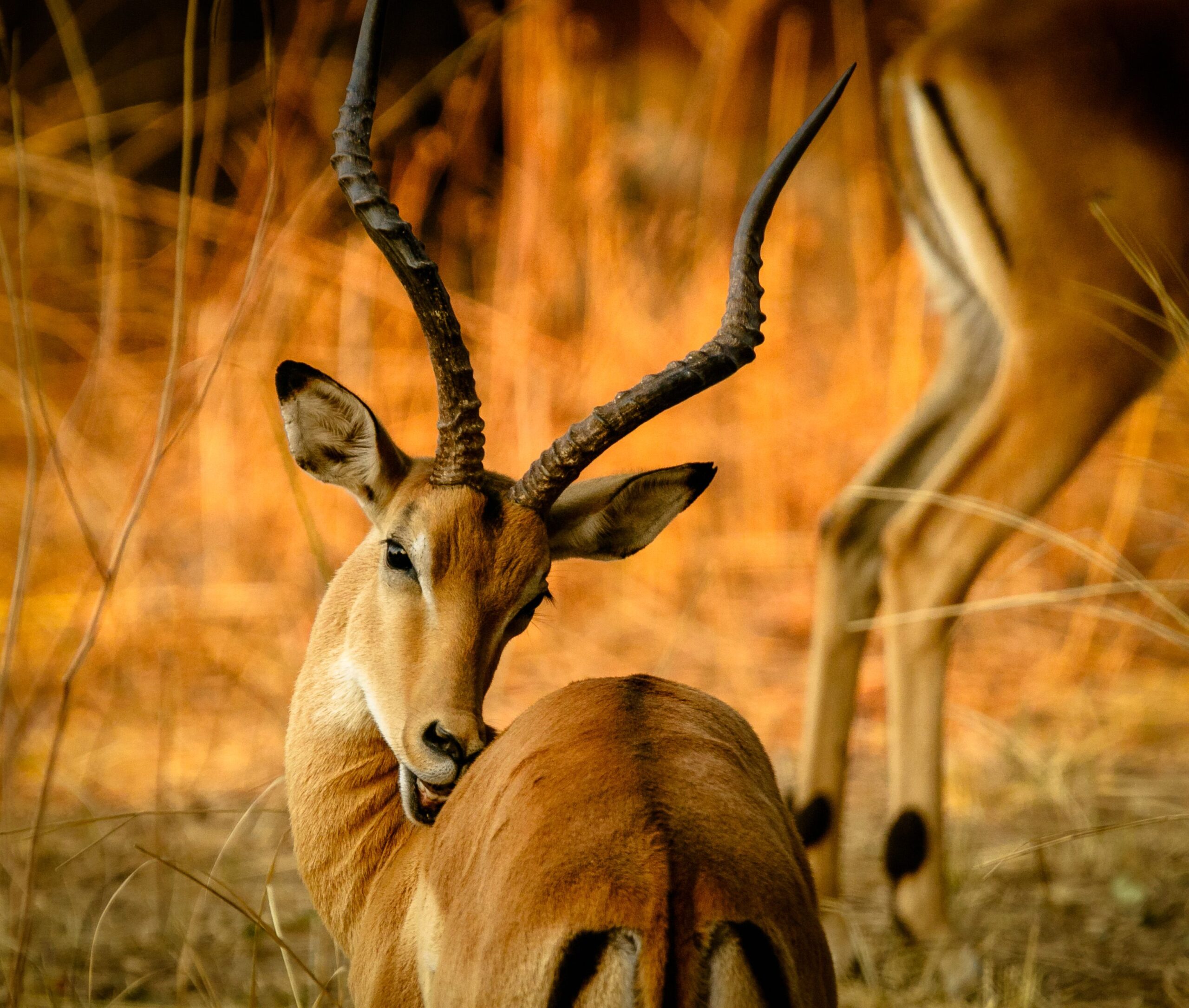 4 days / 3 nights
Arusha – Serengeti – Ngorongoro Crater – Arusha
Best for: Travellers who want the Serengeti and the Crater in four days
View 4-day itinerary →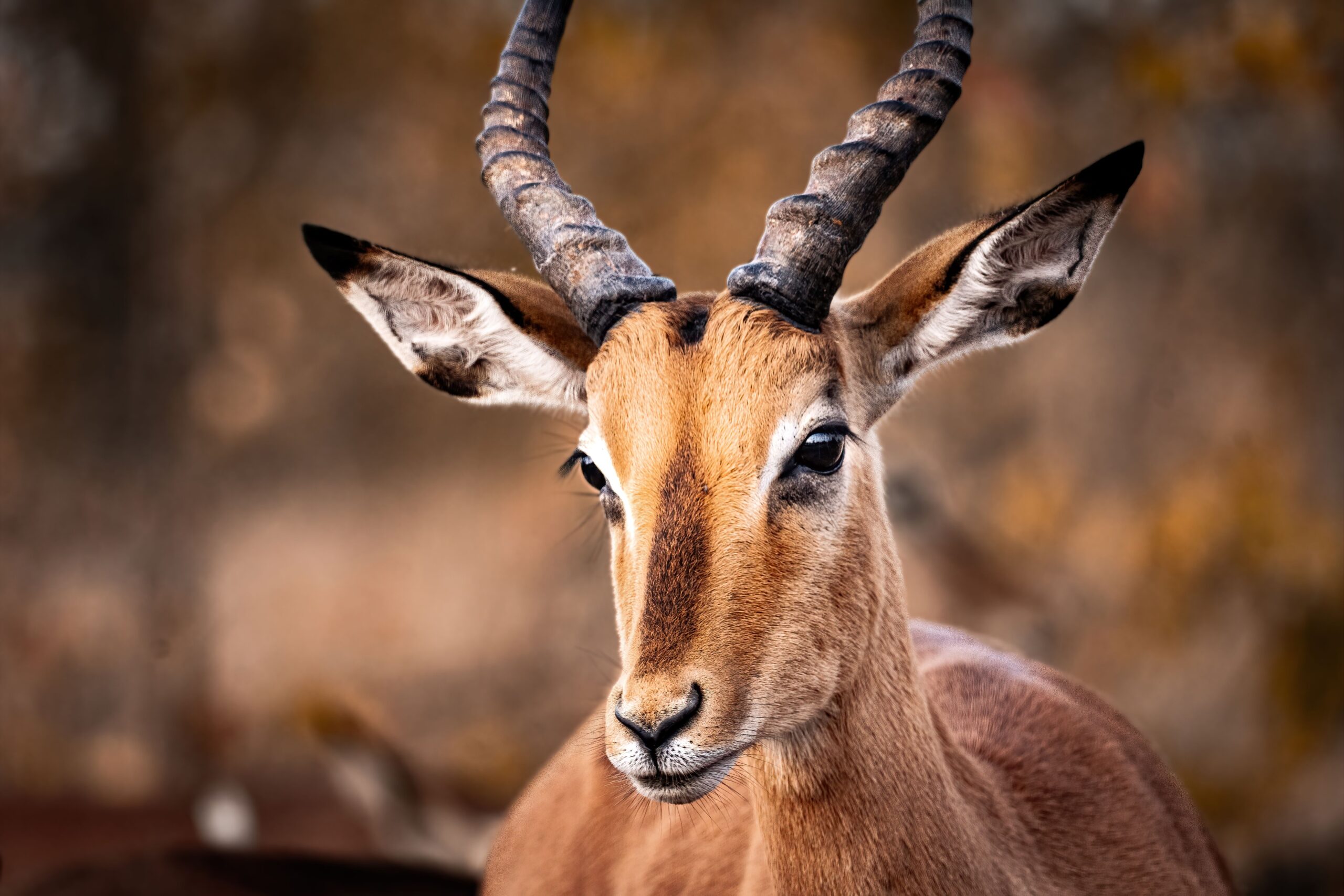 5 days / 4 nights
Arusha – Serengeti (fly) – Ngorongoro – Tarangire – Arusha
Best for: First-time visitors wanting the big three
View 5-day itinerary →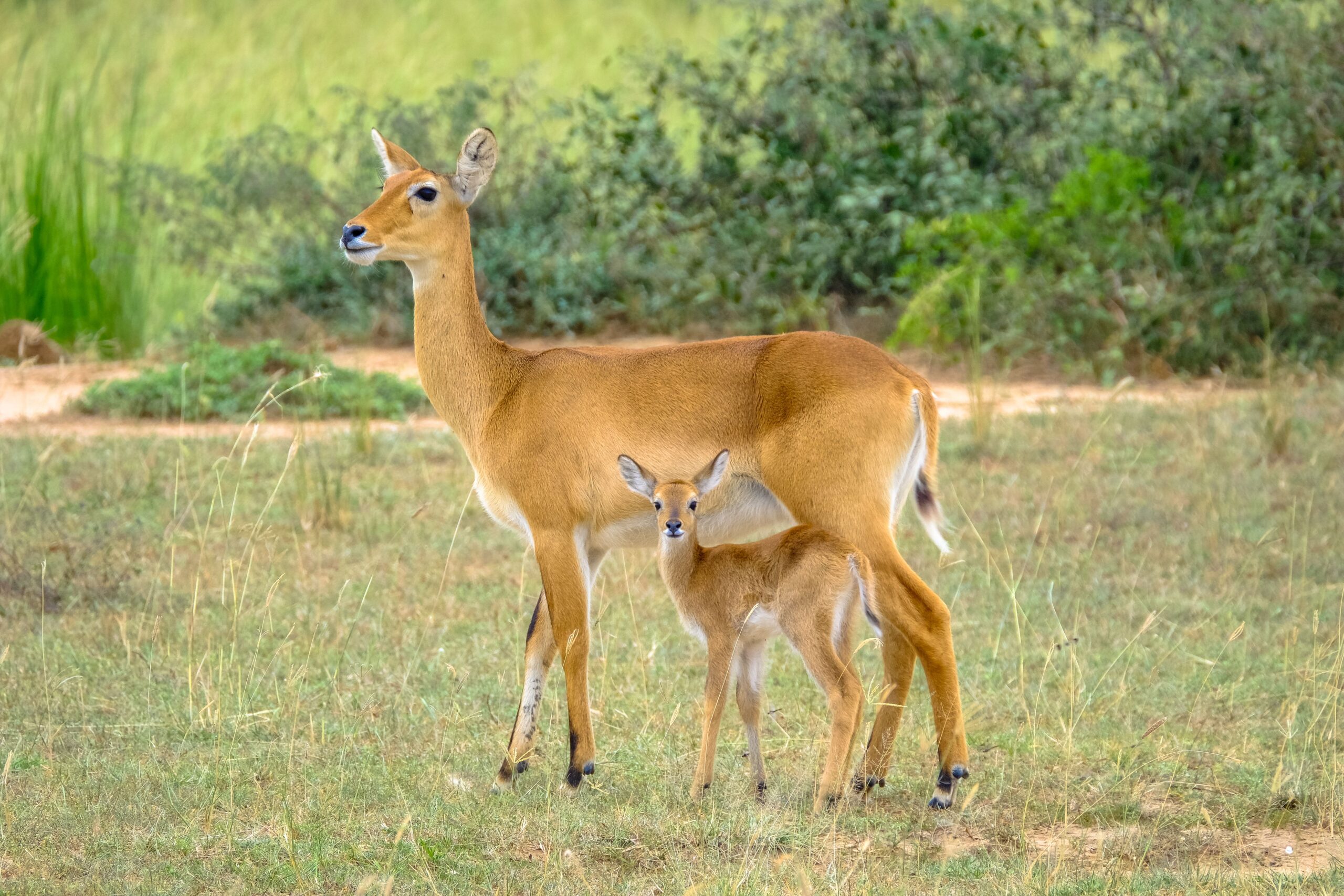 6 days / 5 nights
Arusha – Tarangire – Lake Manyara – Serengeti – Ngorongoro – Arusha
Best for: Travellers who prefer road travel
View 6-day itinerary →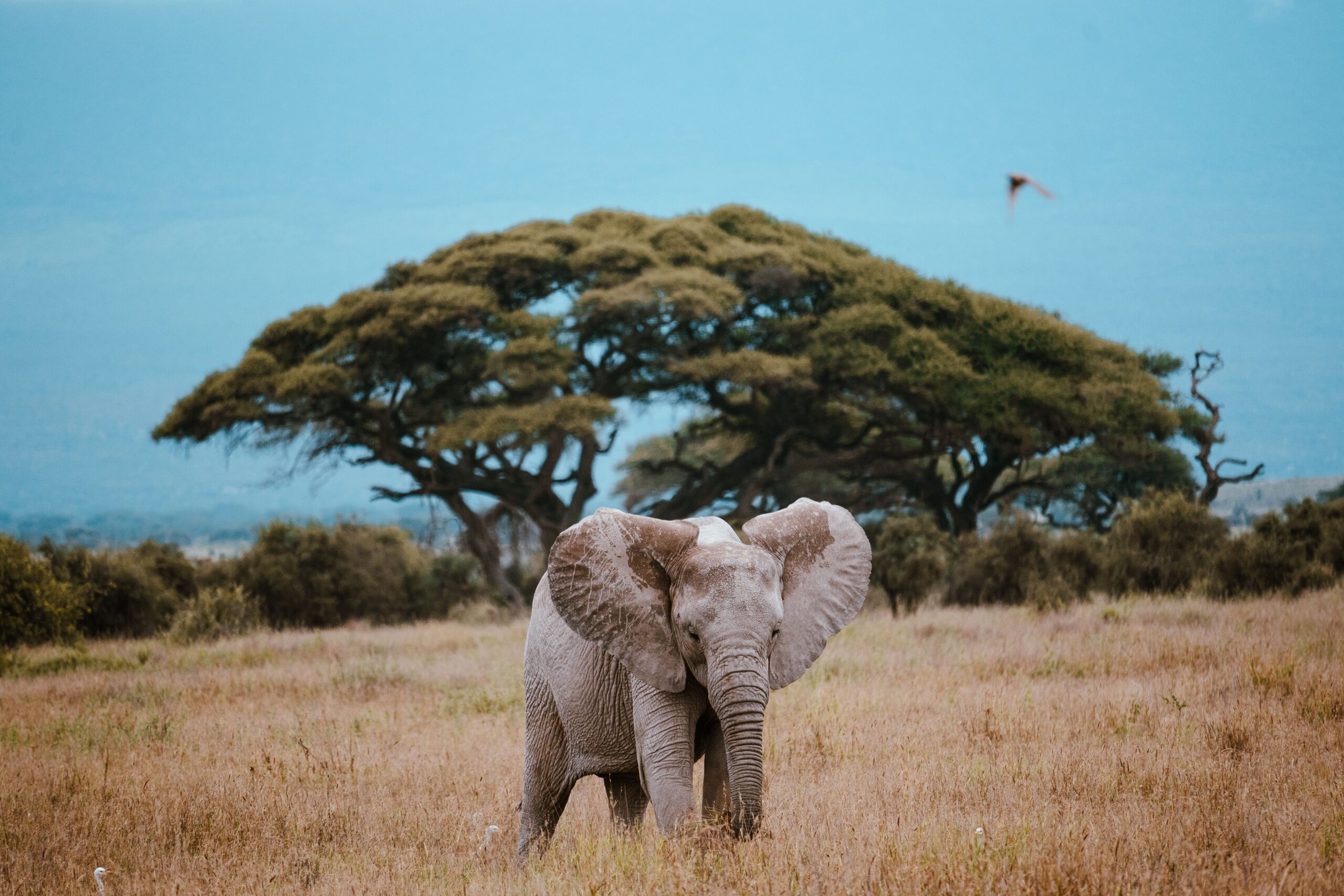 7 days / 6 nights
Arusha – Tarangire – Lake Manyara – Serengeti – Ngorongoro – Arusha
Best for: First-time Tanzania safari visitors
View 7-day itinerary →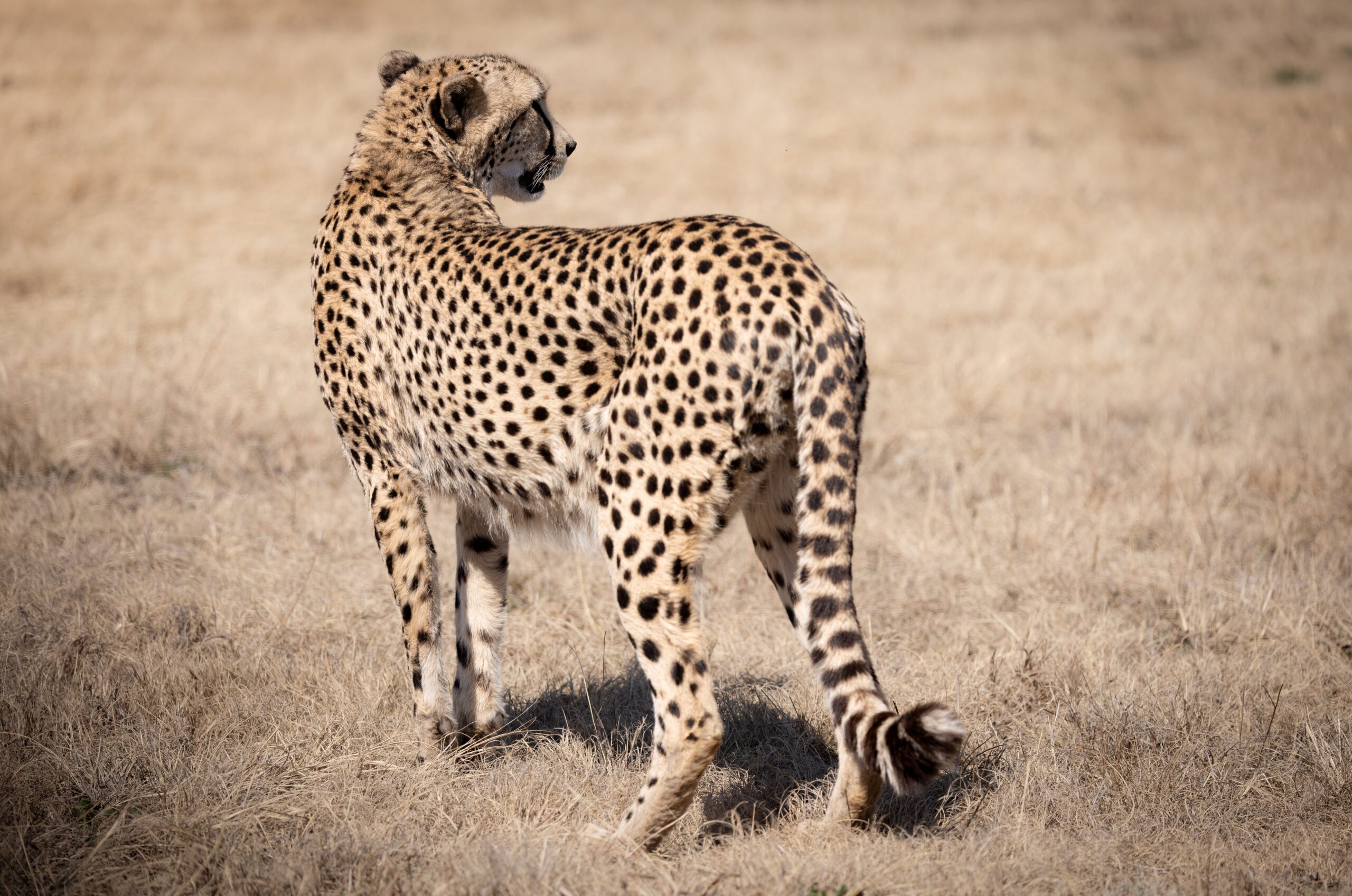 8 days / 7 nights
Arusha – Tarangire – Lake Manyara – Ngorongoro – Serengeti (central and north) – fly out
Best for: Travellers wanting more of the Serengeti
View 8-day itinerary →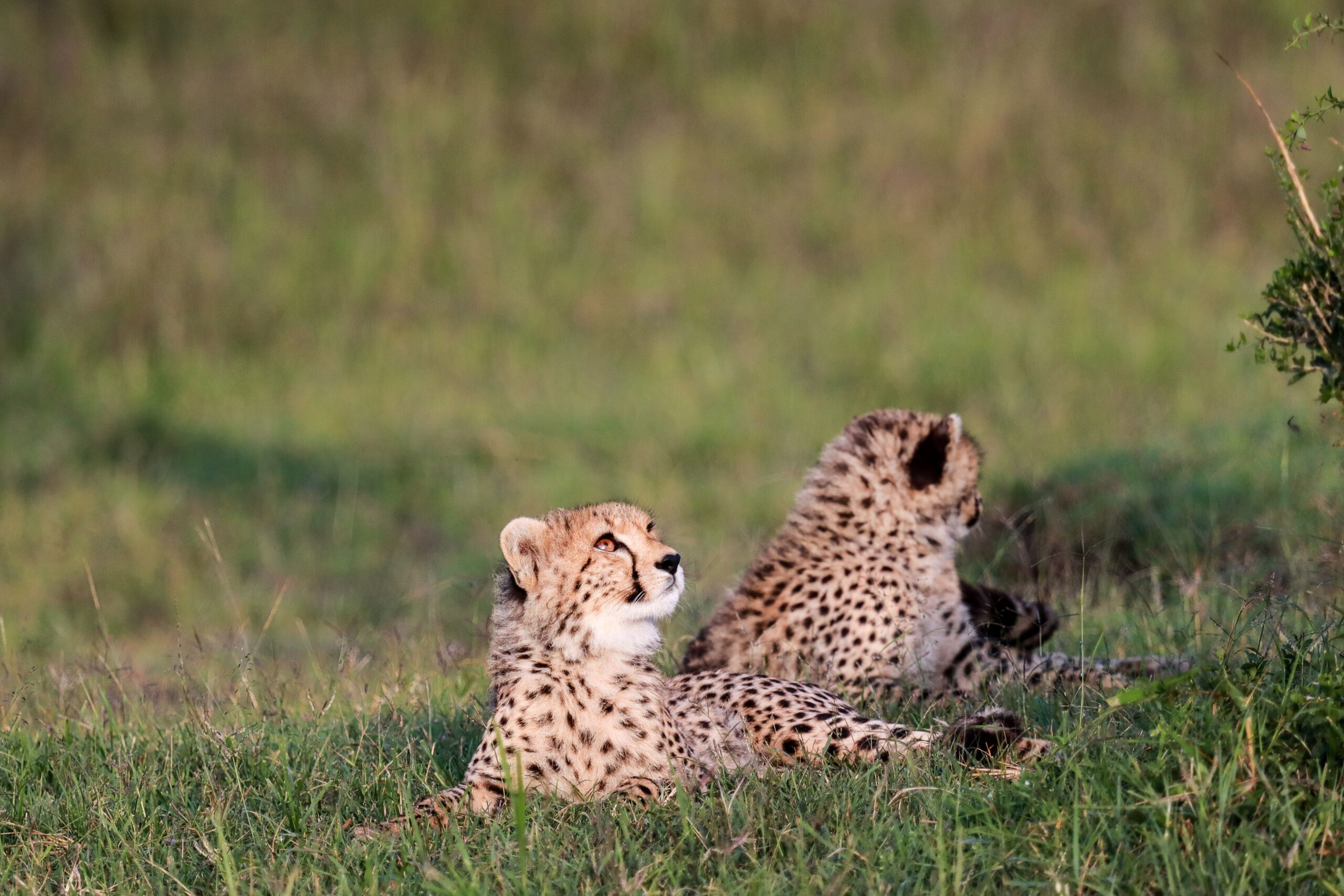 10 days / 9 nights
Arusha – Tarangire – Lake Manyara – Ngorongoro – Serengeti – Zanzibar
Best for: Couples and honeymooners
View 10-day itinerary →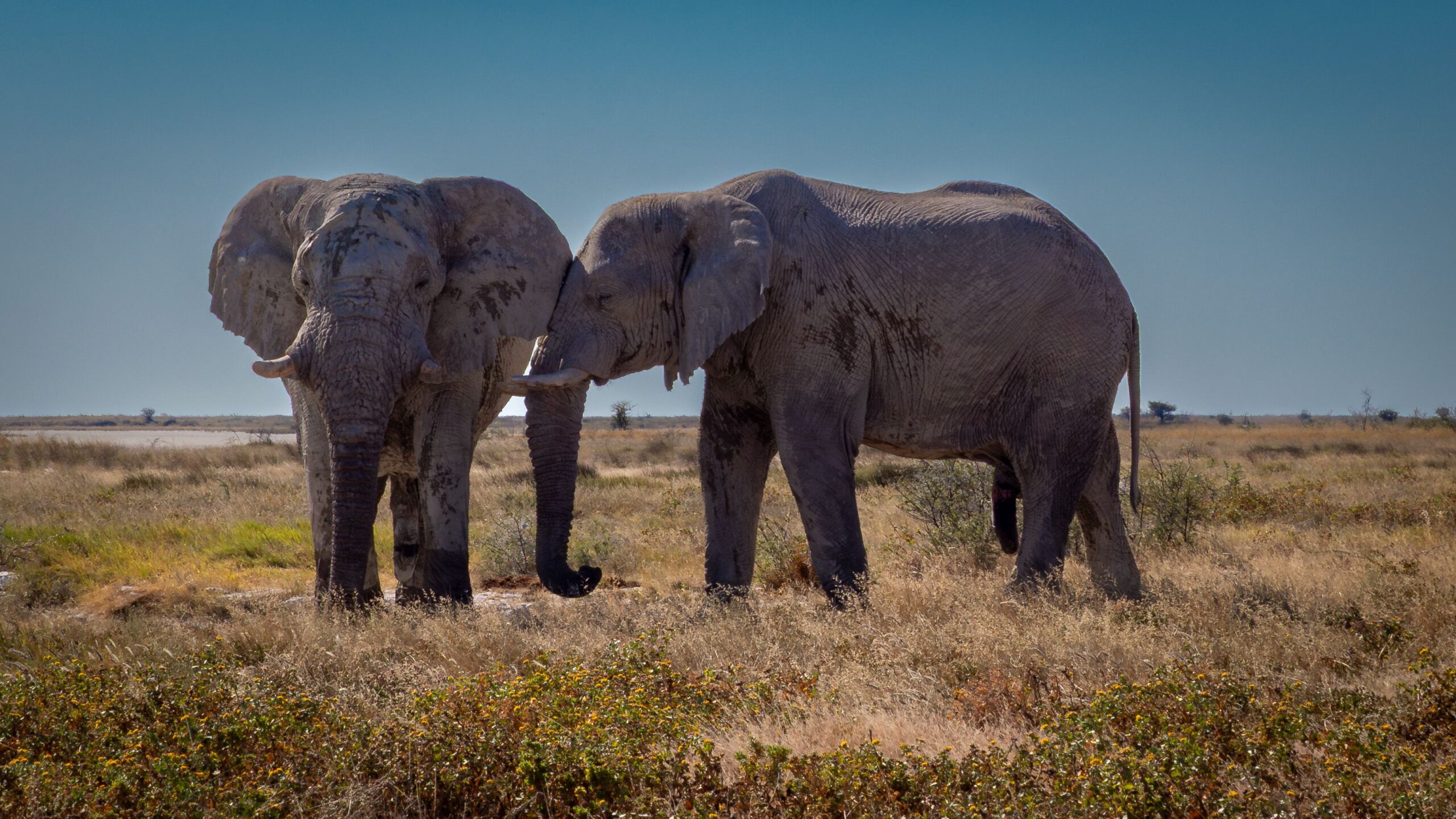 14 days / 13 nights
Arusha – Tarangire – Lake Manyara – Ngorongoro – Serengeti – Ruaha – Nyerere – Dar es Salaam
Best for: Repeat visitors and travellers wanting contrast
View 14-day itinerary →A Tanzania safari package is an itinerary that covers one or more parks with transport, accommodation and game drives arranged. Most travellers start in Arusha. Some start in Dar es Salaam.
Tanzania has two main safari regions.
Northern circuit. Serengeti, Ngorongoro Crater, Tarangire and Lake Manyara. The parks connect by road and short flights. This is the most visited route.
Southern circuit. Nyerere and Ruaha. These are remote, quieter and usually reached by flight.
The northern circuit is popular for good reason, but it is not the only way. The best route depends on your season, trip length, wildlife interests and budget.
Not every park suits every trip. Distances are long. A seven-day plan that tries to cover everything will spend most days in the vehicle.
| Destination | Main safari appeal | Best suited to | Planning considerations |
|---|---|---|---|
| Serengeti | Vast plains, big cats, migration herds | 3+ nights; most visitors | Large park; herd location changes with season |
| Ngorongoro Crater | Dense wildlife in one crater basin | 1 night; first-time visitors | Descent has time limits and a per-vehicle fee |
| Tarangire | Elephants, baobab trees | Start or end of a circuit | Best in dry months for wildlife around the river |
| Lake Manyara | Lake and forest habitats | Short stop on a longer route | Not a headline park; an add-on |
| Nyerere | Rivers, boat trips, walking safaris | Travellers wanting a quieter park | Reached by short flight from Dar es Salaam |
| Ruaha | Remote, rugged, baobab landscapes | Repeat visitors; 3+ nights | Remote; mostly flown |
A large park with several regions. Where the herds are changes through the year. We plan the route around your dates. We never promise a particular sighting.
A crater with its own dense population of wildlife. Visits follow time limits and a per-vehicle service fee. Check current rules before you travel.
Known for elephants and baobab trees, especially in the dry months. A good first or last stop.
A short stop that fits between Tarangire and the Crater. Worth including if you have time. It is not a reason to add a day.
In the south. Offers boat safaris on the Rufiji River and walking safaris, where currently available. A different experience from the north.
Remote and quiet. Best for travellers who want fewer vehicles and have at least three nights.
Neither is better. They are different.
The migration is a loop, not a single event. Herds follow rain and grass across the Serengeti and into the Maasai Mara.
The pattern changes each year. We cannot say where the herds will be on a given date.
We choose the Serengeti region that suits your dates. We give you enough nights there for the herds to be found. We do not build the whole trip around one event.
Resident wildlife in the Serengeti and other parks is good all year. A trip outside peak migration months is still a good safari.
3 to 4 days. One focus. Either Tarangire and the Crater by road, or the Serengeti by air.
5 to 6 days. Possible for a small number of parks. Driving is heavy on a road-only plan.
7 to 8 days. The most comfortable starting point for the full northern loop.
10 days. Room for more Serengeti time or a beach finish.
14 days. Time to combine north and south, or the north with Zanzibar.
These are planning estimates. Flights, arrival times and where your camp sits all change how much game viewing you get. A short trip cannot cover the whole country, and a long one is not always better.
Accommodation shapes the trip as much as the route.
Prices vary widely within one park. A tented camp is not automatically luxury. A higher price does not guarantee better wildlife viewing.
Tell us your budget and style. We propose options and explain the trade-offs. We confirm names and availability when we quote.
We do not assume every camp takes children.
A beach finish is popular after a safari.
Zanzibar is part of Tanzania but is an island. You reach it by air. Most travellers fly from the Serengeti or Arusha, sometimes with a connection. We confirm your route before booking.
We do not assume every park has a direct flight to Zanzibar.
Our 10-day package includes a Zanzibar finish.
Tanzania prices move with the circuit, the camp category and the season, so we quote each trip rather than list rates. Send your dates, group size and parks and we price your route.
Park fees follow separate tariffs. TANAPA runs the national parks. The Ngorongoro Conservation Area Authority runs the Crater area and charges its own fees. The Crater service fee is per vehicle, not per person.
Currency, who the price covers, room assumptions, season, what is included and what is not.
Always ask which fees are in the price. A quote that omits park fees is not comparable to one that includes them.
Each quote lists its own inclusions. Usual items:
Often not included:
Do not assume anything is included. Read your quote. If a line is missing, ask.
| Factor | Road | Fly-in |
|---|---|---|
| Travel time | Long between far parks | Short |
| Road conditions | Mixed; some rough stretches | Not relevant |
| Experience | More scenery, more road time | Aerial views, less countryside |
| Remote camps | Harder to reach | Easier by airstrip |
| Baggage | More room | Strict limits, soft bags |
| Flexibility | More stops possible | Tied to schedules |
| Cost | Usually lower | Flights add cost |
| Short trips | Possible but driving-heavy | Often better |
| Longer trips | Works well for a connected loop | Useful for the south and links |
Arusha to Tarangire takes about 2 to 2.5 hours. The Crater to the central Serengeti takes about 3.5 to 4 hours. Southern Tarangire to the central Serengeti can take 5.5 hours or more. A flight avoids the longest of these.
Flying is not always faster once you add airport time. Road is not always a burden. We compare both for your route.
It depends on the park and what you want to see.
Dry season, roughly June to October. Often the easiest wildlife viewing across the country. It is also the busiest and priciest period.
January to February. Calving in the southern Serengeti. Good for predators. Some areas can be wet.
Green season, roughly March to May and November. Fewer visitors and lower rates. Roads can be slower and some camps close.
Travelling outside peak migration months does not mean poor wildlife viewing. We never promise a sighting.
Final arrangements depend on your confirmed itinerary.
Usually accommodation, listed meals, a vehicle and driver, game drives and transfers. Park fees, flights, visas, travel insurance and extras vary, so check your quote.
Three to four days for a focused trip. Seven to eight days for the full northern circuit. Ten to fourteen for a beach finish or both regions.
The Serengeti, Ngorongoro and Tarangire are the most common trio. Add Lake Manyara if you have time. For the south, combine Nyerere and Ruaha.
June to October suits general wildlife viewing. January to March suits the southern Serengeti calving. July to October suits the northern Serengeti. The long rains in April and May are quieter.
It depends on days, accommodation, flights, season and park fees. Fees are paid digitally and rise in peak season. We give a tailored quote based on your dates.
Often yes, with the right pace. Choose fewer stops and check age rules, room layouts and baggage limits. Children pay reduced park fees in most parks.
Camp setting, room features, meal plan, game-drive format and flights. Both can offer strong wildlife viewing. Prices vary widely.
Yes. A flight links the safari region to the island, sometimes through Arusha. Zanzibar has its own mandatory travel insurance. We check the route and entry rules first.
Yes. The herds move through the Serengeti ecosystem across the year. Their exact location changes by season, from the southern plains early in the year to the north and the Mara later on.
Yes. They are close, and most northern circuit trips include both. The Crater has a separate service fee for the descent.
Road suits connected parks in the north. Flying helps on long links and in the south. Many trips use both.
Not always. Domestic flights may be included or charged separately. International flights are usually separate. Check your quote.
Sometimes. Ask which fees are covered, including the Crater service fee. Some quotes include TANAPA fees but not NCAA fees.
Yes. Our Kenya and Tanzania packages combine the Maasai Mara with the Serengeti, or Amboseli with the northern circuit, using road or flights. Each country has its own entry requirements.
Route and travel times, which fees are included, baggage limits, camp category, age rules, entry requirements, insurance and what happens if flights change.
Most visitors need a Tanzania visa, which is applied for online through the official immigration portal before you fly. A single-entry tourist visa costs about USD 50 and a multiple-entry visa about USD 100. Foreign visitors also need Tanzania's mandatory inbound travel insurance, which has applied on the mainland since 1 October 2026. Check the official sites for your nationality.
Tell us about your trip. We will suggest a route that fits your time and budget.
Please share:
We use cookies to keep this website working and to understand how it is used. By continuing to browse, you agree to our use of cookies. Read our Privacy Policy.