Where to Go on Your First Kenya Safari (And How Many Days You Need)

Last updated: October 2026.
Most first-time visitors ask the same question: which park is best?
It’s the wrong question. The right ones are how many days you have, which month you’re travelling, and where you start and finish. Those three answers shape every good Kenya safari itinerary.
Silent Plains Africa Safaris plan tailor-made trips across Kenya and Tanzania. This guide explains how we think about the main parks, and how to choose without wasting your trip on the road.
The short answer
- 3-4 safari days: One destination. Fly to the Masai Mara, or drive to Amboseli.
- 5-7 days: Masai Mara plus one more area, usually Amboseli or Ol Pejeta.
- 8-10 days: Add a third region, such as Samburu or Laikipia.
- Based on the coast: Tsavo East or West.
The pattern is the same every time. Fewer parks, more nights in each.
How to choose your first Kenya safari destination
Ask yourself three things.
How many days do you really have? Count full days in the park, not days on the calendar. Arrival and departure days often lose half their time to travel.
When are you going? The best Kenya safari destinations change with the season. We cover this below.
Where do you start and end? Nairobi, the coast, or a flight onward all change which parks make sense.
The main Kenya safari destinations
Masai Mara National Reserve
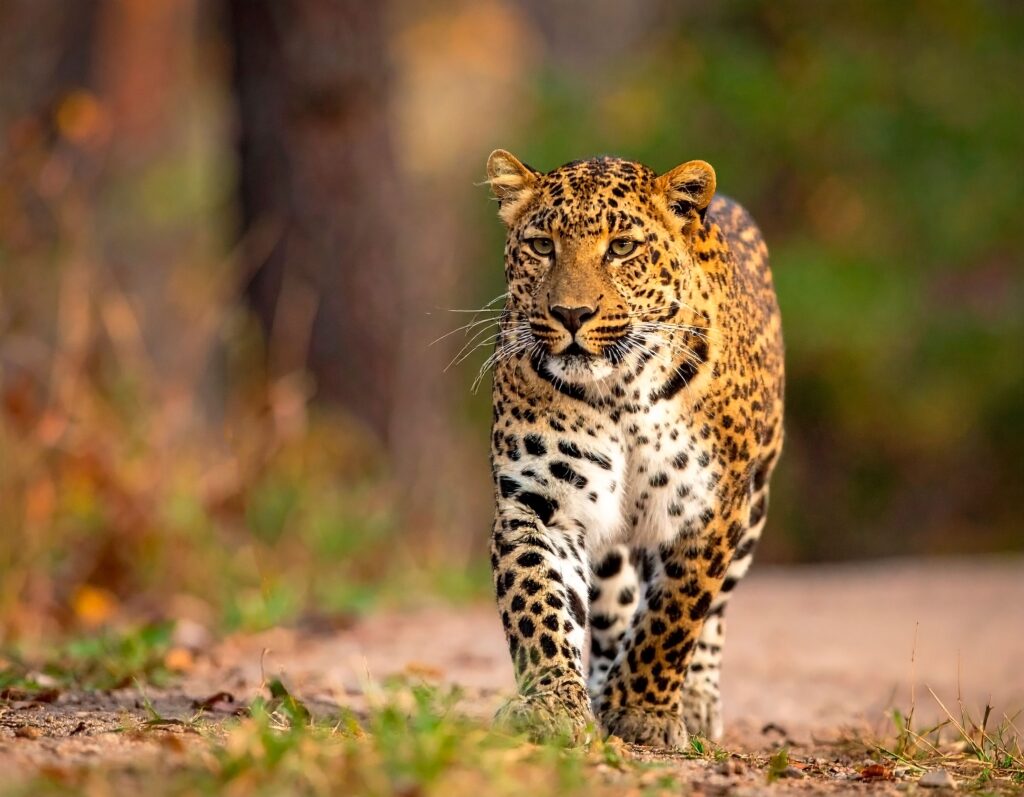
The Mara is the most recommended park for first-timers, and for good reason. Lion, cheetah, leopard, elephant and buffalo live here year-round. The open grassland makes animals easy to find. And it has the widest choice of lodges and camps in Kenya.
The catch is distance. By road, it’s roughly 5-7 hours from Nairobi, and the last stretch after Narok is rough. If you have only 3-4 safari days, we usually recommend flying from Wilson Airport. The flight takes about an hour and gives you most of a day back.
The Mara is also two experiences in one. The national reserve is managed by Narok County and has fixed rules. The private conservancies around it usually have fewer vehicles and more flexible activities, such as night drives, but they cost more. Fees change and can stack if you cross between the two, so always confirm the current rates before booking.
One honest note: rhino are rare in the Mara. If rhino matter to you, add Ol Pejeta or Nairobi National Park.
How long to stay: At least 3 nights. Four is better.
Amboseli National Park
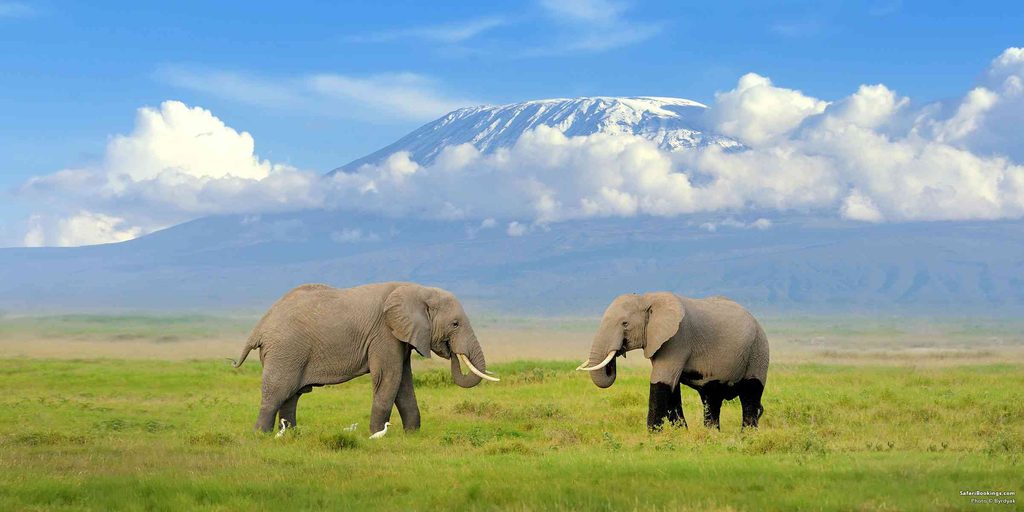
Amboseli is about elephants, and Kilimanjaro behind them. It’s roughly a 4-5 hour drive from Nairobi, which makes it a practical first stop.
Kilimanjaro is usually clearest at sunrise. By midday, cloud often covers it. If the mountain matters to you, plan around early mornings. The park is popular, so expect shared sightings. Staying in a private area around the park gives you more freedom.
How long to stay: 2 nights.
Ol Pejeta Conservancy
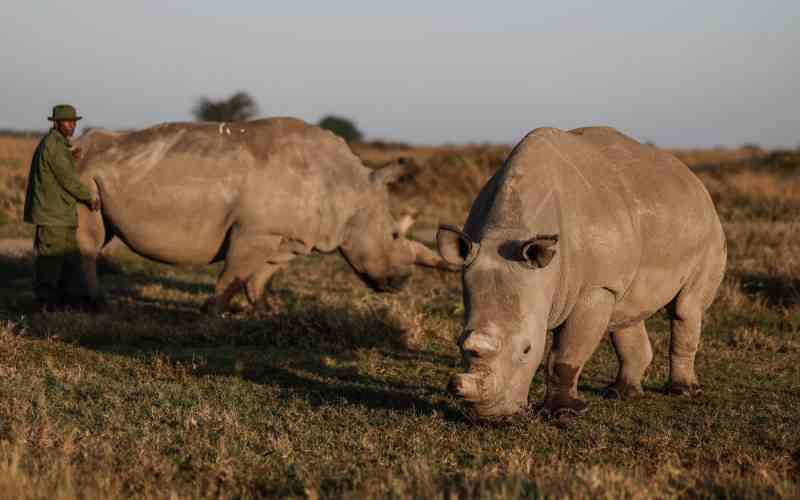
Ol Pejeta is a private, not-for-profit conservancy in Laikipia, about 2-3 hours from Nairobi. It’s the largest black rhino sanctuary in East Africa. It’s also home to the last two northern white rhinos. It has Big Five species and the Sweetwaters Chimpanzee Sanctuary too.
It works well for travellers who care about conservation, or who want a reliable rhino sighting. It also shows the difference between a conservancy and a national reserve: one managed area, strong anti-poaching work, and visitor income that goes back into conservation.
How long to stay: 2 nights.
Lake Nakuru National Park
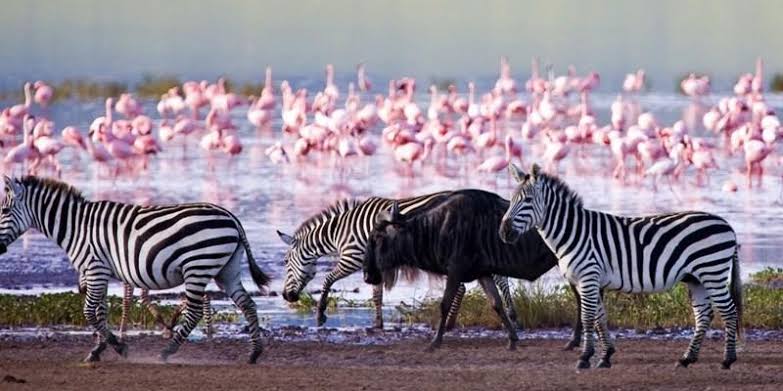
Nakuru is good for rhino, leopard, buffalo and birdlife, and sits only 2-3 hours from Nairobi. Don’t plan a trip around flamingos. Their numbers depend on water levels and algae, and have been unreliable for years.
We treat Nakuru as a useful stopover, not a headline.
How long to stay: 1 night.
Samburu National Reserve
Samburu is in northern Kenya. It’s drier, and it has species you won’t find in the south: Grevy’s zebra, reticulated giraffe, gerenuk, Beisa oryx and Somali ostrich. It’s about 350 km from Nairobi, so roughly 6-7 hours by road, or a flight.
It’s an excellent park. But on a 5-6 day trip, the journey takes too much time. We usually suggest it for longer first trips or for a second visit.
How long to stay: 2-3 nights.
Nairobi National Park
Don’t dismiss it because it’s next to a city. It has black and white rhino, lion, leopard and buffalo, and sits about 7 km from the centre. There are no elephants, and it’s fenced on three sides, so it won’t match the Mara for scale. But it’s a very good option for a layover, a spare morning, or a first game drive on a short trip.
Tsavo East and Tsavo West
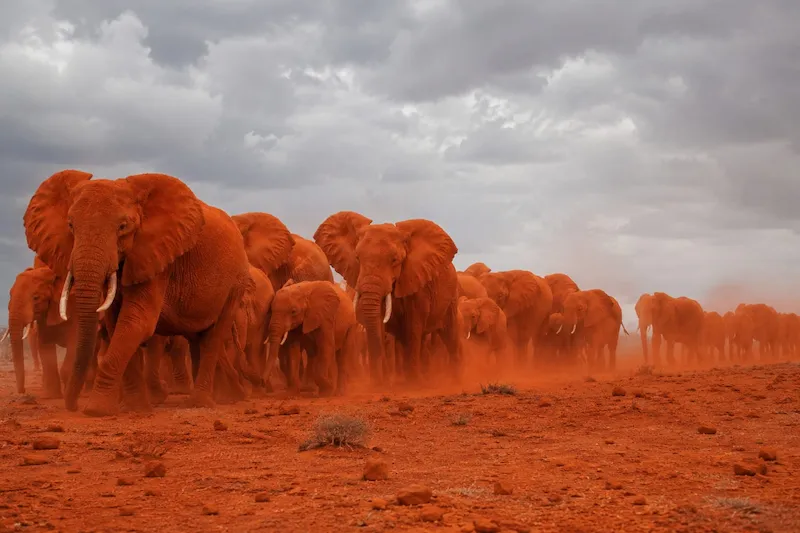
These two parks suit travellers based on the coast. From Mombasa, Tsavo East is roughly 3 hours to the gate, and the SGR train to Voi can work as a transfer. It’s large and open, with red-dust elephants and fewer vehicles.
Tsavo West is more rugged. It has Mzima Springs, volcanic landscapes and a rhino sanctuary.
How long to stay: With 2 nights, choose one park. With 3-4, you can do both.
The best time to go
Kenya has two dry seasons and two rainy ones. The long rains run roughly mid-March to May, and the short rains from mid-November to mid-December.
- January-March: Dry, quieter than July-October, and strong for resident predators.
- April-May: The wettest months. Green and cheaper, but some roads and camps get difficult.
- June: Drying out, and a good shoulder month.
- July-October: Peak season. The Great Migration is in the Mara. Book early.
- November: Short rains, often in the afternoon. Fewer visitors.
- December: Rains usually clear by mid-month. Holiday demand rises.
Rain doesn’t remove wildlife. It makes animals harder to see in tall grass and slows driving. A safari in the green season can still be excellent.
What to know about the Great Migration
The wildebeest and zebra herds move in a loop between Tanzania’s Serengeti and Kenya’s Masai Mara. They usually reach the Mara from July, and river crossings are most likely in August and September.
Timing can shift by a week or two, depending on rainfall. No operator can promise a crossing on a given day. If that’s the only reason you’re going, you’re taking a risk. Plan for a strong wildlife safari and treat a crossing as a bonus.
Outside migration season, the Mara still delivers. The resident big cats and elephants are there all year.
Kenya safari itineraries by trip length
| Safari days | Suggested plan | Why it works |
|---|---|---|
| 3-4 | Masai Mara (fly), 3 nights | No long drives, one base |
| 5-7 | Mara 3-4 nights + Amboseli or Ol Pejeta 2 nights | Two bases, one transfer |
| 8-10 | Mara + Amboseli + Ol Pejeta or Samburu | Three distinct landscapes |
| 10-14 | Mara, Amboseli, Samburu/Laikipia, 2-3 nights each | Fly between regions to save time |
One practical point: Amboseli and the Mara are on opposite sides of Nairobi. Combining them means a long road day or a flight. We build that into the plan from the start.
Which destination suits which traveller
- Big Five focus: Mara plus Ol Pejeta or Nairobi National Park. Rhino is usually the missing one.
- Elephants: Amboseli.
- Photographers: Amboseli for elephants and light, Mara for cats, and a conservancy for flexibility.
- Families: Shorter drives and fewer moves. Nairobi National Park, Ol Pejeta or a short Mara stay.
- Couples: Mara or Laikipia, with a conservancy stay if the budget allows.
- Beach plus safari: Tsavo East or West from the coast.
- Conservation-minded travellers: Ol Pejeta.
- Migration travellers: Mara, booked early.
Common first-time safari mistakes
- Trying to visit four or five parks in one trip
- Choosing places based on Instagram photos
- Treating the migration as a fixed date
- Expecting all Big Five on every safari
- Underestimating drive times
- Booking one night at each stop
- Ignoring the season
- Spending half the trip in a vehicle
- Not planning where to sleep before and after the safari
A good Kenya safari is not about ticking off parks. It’s about giving each place enough time.
Frequently asked questions
1. Where should I go on my first Kenya safari?
For most travellers, the Masai Mara, paired with Amboseli or Ol Pejeta. The right choice depends on your days, month and interests.
2. How many days do I need for a Kenya safari?
Five to seven days works well for most first-timers. Three to four days works if you pick one destination.
3. Can I do a Kenya safari in 5 days?
Yes. Use two bases at most, and fly if time is tight.
4. What is the best month for a Kenya safari?
July to October for the migration. January and February for drier, quieter conditions.
5. Is the Masai Mara worth visiting outside migration season?
Yes. Resident lions, cheetahs, leopards and elephants are there year-round.
6. Is Amboseli worth adding?
If elephants and Kilimanjaro views matter to you, and you have two spare nights, yes.
7. Is Nairobi National Park a real safari?
Yes. It has wild predators and rhino. It’s smaller than other parks and has no elephants.
Silent Plains Africa Safaris
Silent Plains Africa Safaris is a Nairobi-based safari tour company planning Kenya and Tanzania safaris around you. We run private and group trips to the Maasai Mara, Amboseli, Tsavo East and Tsavo West, the Serengeti and beyond, with beach extensions on the Kenyan coast if you want them. Every itinerary is tailored to your dates, budget and travel style, from budget camping to luxury lodges. We arrange your 4x4 safari vehicle, an experienced local driver-guide, park fees, accommodation and airport transfers. Couples, families and small groups are all welcome.
Plan Your Kenya and Tanzania Safari with us today. Get Free Quote