- Private guide
- Road or fly-in
- Family-friendly
3-Day Maasai Mara Safari
From Nairobi / One full day in the Mara / From about USD 1,100 per person
Price per person, mid-range camp, by road, January–June, two sharing. Includes park fees. Excludes international flights.
Three days, two nights and one full day in the Maasai Mara. This private safari starts and ends in Nairobi. You can travel by road in a 4x4 safari vehicle or fly from Wilson Airport to save around half a day of travel. It suits travellers with limited time, a stopover in Nairobi, or a short add-on to a beach holiday or business trip. Every departure is private and is quoted for your exact dates and choice of camp.
Why choose a 3-day Maasai Mara safari?
Three days is the shortest trip that includes a full day in the Mara. A 2-day trip gives you only an afternoon and a morning. The trade-off is travel time.
- By road, Days 1 and 3 each include 5–6 hours in the vehicle. The game drive on Day 1 starts mid-afternoon, and you leave the reserve after breakfast on Day 3.
- By air, you land in the Mara in the late morning on Day 1, and you can return around midday on Day 3. That gives you a longer first afternoon and a fuller final morning, and much less fatigue.
If you can add one night, our 4-day safari gives you two full days in the Mara and makes room for a balloon flight.
Road or fly-in: which suits you?
Road (private 4x4)
Fly-in (scheduled flight)
A popular middle option is to drive in and fly out. You see the countryside once and avoid the tiring return drive.
Day-by-day itinerary
The timings below are typical and are confirmed in your final itinerary.
By road
- 07:00–07:30: Pick-up from your Nairobi hotel or Jomo Kenyatta International Airport by your private driver in a 4x4 safari vehicle with a pop-up roof.
- Around 08:30: Stop at the Great Rift Valley viewpoint on the escarpment for views across the valley floor.
- Late morning: Short break in Narok, the last main town before the Mara.
- Final stretch: The road becomes rougher near the reserve, so expect slow driving.
- 13:00–14:00: Arrive at camp, check in and have lunch.
- About 15:30 to dusk: Afternoon game drive. Late afternoon is a good time for predators becoming active and for plains game moving to water.
By air
- Around 08:30–09:00: Transfer to Wilson Airport, Nairobi’s domestic airport (not the international airport).
- Around 10:00: Scheduled light aircraft to the Mara. Flights often stop at several airstrips, so the flight time varies between about 45 and 75 minutes.
- Late morning: Your camp’s vehicle meets you at the airstrip. Game viewing often begins on the way to camp.
- Lunch at camp, then a full afternoon game drive.
This is the heart of the trip. Choose one of two ways to spend it:
- Full-day drive: Leave after an early breakfast with a picnic lunch. Explore further across the reserve, reaching the Mara River area in July–October when herds are nearby, or the central plains and marsh areas at other times of year.
- Split drives: A morning drive from sunrise, a return to camp for lunch and a rest, then an afternoon drive. This option suits families and anyone who wants a break in the heat of the day.
Your driver adjusts the route to recent sightings and to where the wildlife is at the time.
- Around 06:30: Early drive for the best light and active wildlife.
- Back at camp: Breakfast, then check out.
By road
- Drive back to Nairobi, arriving roughly 15:00–17:00, depending on traffic.
- Drop-off at your hotel or the airport.
- Book international flights from late evening onwards. Nairobi traffic can be slow.
By air
- Late-morning flight to Wilson Airport, typically landing around midday.
- Transfer to your hotel or the international airport.
3-day Maasai Mara safari prices (2026)
Indicative prices in US dollars, per person, two people sharing, on a private safari. They include park fees for 2026 non-resident adults.
| Season | Mid-range camp, by road | Luxury camp, by road | Mid-range camp, fly-in | Luxury camp, fly-in |
|---|---|---|---|---|
| January–June | 1,100–1,600 | 1,900–2,600 | 1,700–2,100 | 2,200–2,800 |
| July–October | 1,500–2,200 | 2,600–3,400 | 2,500–2,900 | 3,000–4,300 |
| November–mid December | 1,300–1,800 | 2,100–2,800 | 2,000–2,400 | 2,400–3,200 |
How these prices work
- The late-December festive period is usually priced like peak season.
- A solo traveller pays a single supplement and carries the full vehicle cost alone. Expect a noticeably higher price per person.
- Groups of 3–6 sharing one vehicle pay less per person.
- Children aged 9–17 pay a reduced reserve fee of USD 50 per day. Children aged 8 and under enter the reserve free. Camp child rates vary.
- Shared group safaris (joining other travellers in a minivan) are sold more cheaply elsewhere, from a few hundred dollars. This page describes a private safari.
Why the price jumps from July
Reserve fees double from USD 100 to USD 200 per adult per day on 1 July, and most camps charge peak rates during the migration months.
Park fees on a 3-day trip
Reserve tickets are valid for 12 hours. Depending on your camp’s location and your entry and exit times, a 3-day trip needs 2 or 3 tickets. We always state the exact number in your quotation. Per adult, that means:
- January–June: USD 200–300
- July–December: USD 400–600
Prices are indicative and based on published 2026 operator rates. Your final price depends on your dates, camp, room type and group size.
What’s included
- A private 4x4 safari vehicle with a pop-up roof for game viewing
- A professional English-speaking driver throughout
- Road transfers from Nairobi to the Mara and back, or return scheduled flights (fly-in option)
- Airstrip transfers to and from camp (fly-in option)
- 2 nights’ accommodation in your chosen camp or lodge
- Full board in the Mara: lunch and dinner on Day 1, all meals on Day 2, breakfast on Day 3
- Drinking water in the vehicle
- All game drives listed in the itinerary
- Maasai Mara National Reserve entry fees for the days stated in your quotation
- Government taxes on included services
- Pick-up and drop-off at your Nairobi hotel or the airport (road option)
What’s not included
- International flights
- Kenya eTA (USD 30 standard fee, applied for online before travel)
- Travel insurance (strongly recommended, including medical evacuation cover)
- Hot-air balloon safari (optional, see below)
- Maasai village visit (optional, usually paid at the village)
- Alcoholic, soft and premium drinks, unless your camp’s package includes them
- Tips for your driver and camp staff
- Laundry, telephone and personal purchases
- Nairobi hotel nights before or after the safari
- Meals in Nairobi and lunch on the road on Day 3 (road option)
- Excess luggage charges on light aircraft
- Any increase in government fees after you book
Optional extras
- Hot-air balloon safari: A sunrise flight of about one hour, followed by a bush breakfast. Expect roughly USD 450–635 per person. On a 3-day trip, the balloon can only fit on Day 2, and only if your camp is within reach of a launch site. Children must be at least 8 years old and taller than 1.2 m. Flights can be cancelled because of the weather.
- Maasai village visit: A short cultural visit arranged near your camp, usually on Day 2 or Day 3.
- Upgrade to a luxury or conservancy camp: Fewer vehicles and more privacy. Conservancy camps add their own fees, which are usually included in the camp rate.
- Extra night: Turns this trip into our 4-day safari, with two full days in the Mara.
- Nairobi day activities: Can be added on arrival or departure days.
Wildlife you may see
The Mara is one of Africa’s most reliable areas for big cats, but no sighting can be guaranteed.
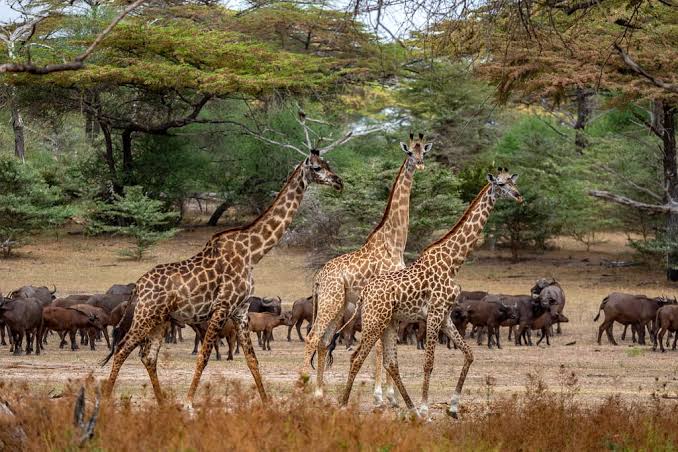
- Likely: Lion, elephant, buffalo, giraffe, zebra, wildebeest, topi, gazelle, hippo and spotted hyena
- Possible: Leopard, cheetah, crocodile, jackal and a wide variety of birds, including raptors
- Rare: Black rhino
- Seasonal: Large migration herds are usually present from around July to October. River crossings can happen in those months but are unpredictable, and a 3-day trip gives limited time to wait for one.
Best time for a 3-day Maasai Mara safari
- January–March: Usually drier, lower fees and fewer vehicles. The best value for a short trip.
- April–May: The long rains. Roads can be muddy and some camps close. Fly in if you travel then.
- June: Often dry and quieter. Herds may begin arriving late in the month.
- July–October: Migration season. This is the busiest time, with the highest fees and camp rates. Book early.
- November–December: The short rains, usually brief. Good value in November and early December.
What to pack
- A soft duffel bag. This is essential if you fly.
- Warm layers for early mornings: a fleece or light jacket
- Neutral-coloured clothing (khaki, green, beige)
- A sun hat, sunglasses and sunscreen
- Binoculars and a camera with a zoom lens, plus spare batteries
- Insect repellent and any personal medication
- A light rain jacket in April–May and November
- Your passport and approved Kenya eTA
Frequently asked questions
It is enough for a meaningful first taste, with one full day and two partial days of game viewing. If you can spare another night, 4 days is noticeably more relaxed.
For a private trip with two people sharing, expect roughly USD 1,100–2,200 per person by road at a mid-range camp, and USD 1,700–4,300 fly-in, depending on season and camp. Park fees are usually included in that price.
Yes, in our quotations. For 2026, the reserve charges non-resident adults USD 100 per 12-hour day from January to June and USD 200 from July to December.
About 5–6 hours each way, including stops. The last section is rough.
About 45–75 minutes from Wilson Airport, depending on how many airstrips the plane stops at.
On a 3-day trip, usually yes, if your budget allows. Flying adds roughly half a day of game viewing in total and avoids around 10–12 hours on the road.
In July–October, there is a good chance of seeing large herds. River crossings are unpredictable and cannot be guaranteed on any trip length.
Yes, on Day 2, if your camp is within reach of a launch site. It costs extra.
Yes. You have your own vehicle and driver, and you set the pace.
Yes, especially with the fly-in option. Some camps set minimum ages, and balloon flights require children to be at least 8 years old and 1.2 m tall.
Yes. We can collect you from Jomo Kenyatta International Airport. With an early-morning arrival, you can go straight to the Mara. Otherwise, we suggest a night in Nairobi first.
Most visitors need a Kenya eTA, applied for online before travel. See our Kenya visa and eTA requirements page.
For July–October, book several months ahead, because camps and flights fill up. For other months, a few weeks’ notice is usually enough.
Plan your 3-day Maasai Mara safari
Tell us your dates, number of travellers, preferred camp level and whether you would like to drive or fly. We will send a day-by-day itinerary with an itemised price, including park fees.
Request a tailored 3-day safari